








Beautiful, more beautiful, most beautiful
What is design lighting? A fair question, but one we have to leave unanswered. There is no standard definition that we can offer and that everyone in the world would agree on.
Light+Building, Biënnale Interieur, Architect@Work, Euroluce and Eurocucina: international trade fairs that attract a host of interested visitors. Enthusiasts and schoolchildren (sometimes referred to as tourists), professionals, fellow manufacturers and designers, and the trade press. Everyone enjoys taking a look at new products, as well as established favourites. The manufacturers’ stands are often a sight to behold, and the tour has yet to begin. One question you hear often is: “So, what do you think?” Usually, of course, it is a new product that is under discussion, although the stands themselves can also become a talking point. But any conversation about what you find beautiful or less beautiful is, of course, based on personal opinion. What you consider the most beautiful object, light fitting, work of art or whatever, your neighbour may think is ‘not their thing’. In short, design, and design lighting too, is subjective and open to interpretation.
What is design?
Design lighting: as vague as it is subjective. But what exactly is design? Consult a dictionary and the definition given is ‘design’. No reference to beautiful or ugly (or less beautiful), no reference to big or small, no reference to which materials you should use, and no reference to whether something is practical or not. Just ‘design’. If we apply this definition very strictly, every light fitting ever made is therefore design lighting. There are, of course, distinctions between types of fitting: recessed spotlights are quite different from pendant lights, which in turn differ from street lighting. This is not about whether we find them beautiful, but about their application. Every product category has beautiful fittings, although, as noted above, that is subjective.
More than just design
Look at the organisations behind awards such as the Red Dot Design Award and the iF Awards, two examples of internationally renowned and respected design prizes, and you will see that the winners are chosen according to a wide range of criteria. Design and aesthetics are, of course, two of them, but the international jury also considers factors such as technology, craftsmanship, smart and/or groundbreaking applications, and even ease of use. That is why we see winners each year in product categories that, at first glance, many of us might not consider sexy, such as street lighting.
A beautiful aesthetic, combined with the smart use of state-of-the-art technology, whether newly developed or not, opens up possibilities that did not exist before. That is the recipe for becoming a contender for one of these design prizes.
Icons
Of course, it would be simplistic to classify light fittings as design lighting only if they have won an international design prize. There are simply too many manufacturers, and even more fittings, for there to be enough prizes to go around. These products are the result of years of development and production. We can also look back at the rich history of product development and select the fittings that have stood the test of time and are still around many years after their launch. These fittings of yesteryear, now icons, are regularly updated to meet today’s standards, and above all to accommodate today’s light sources, but their original design remains unchanged. Surely these icons of the lighting industry count as design lighting?
A non-exhaustive list
Providing a complete overview of all the brands that, by the most common interpretation, fall under design lighting is a utopian, impossible task. In recent years, however, we have seen a revival of familiar brands from the past, manufacturers making a fresh start, and even manufacturers rising from the dead.
Anvia is enjoying a second youth, bringing updated versions of old fittings and designs to market. French manufacturer DCW Editions is bringing updated versions of Bernard-Albin Gras’s collection to market under the Lampe Gras brand. The collection was designed in 1921 and the years that followed.
Midgard, meanwhile, is a manufacturer that has delved into its own archives, rediscovered and refreshed old gems, and given them a new lease of life. What is more, this was a revolutionary new concept at the time. Adjustable lighting did not exist in 1919, until inventor Curt Fischer changed that. His TYP 113 and TYP 114 found their way into the Bauhaus workshops in Dessau and even into the private home of Walter Gropius, Bauhaus’s founder. The adjustable arms of these fittings helped direct light wherever it was needed.
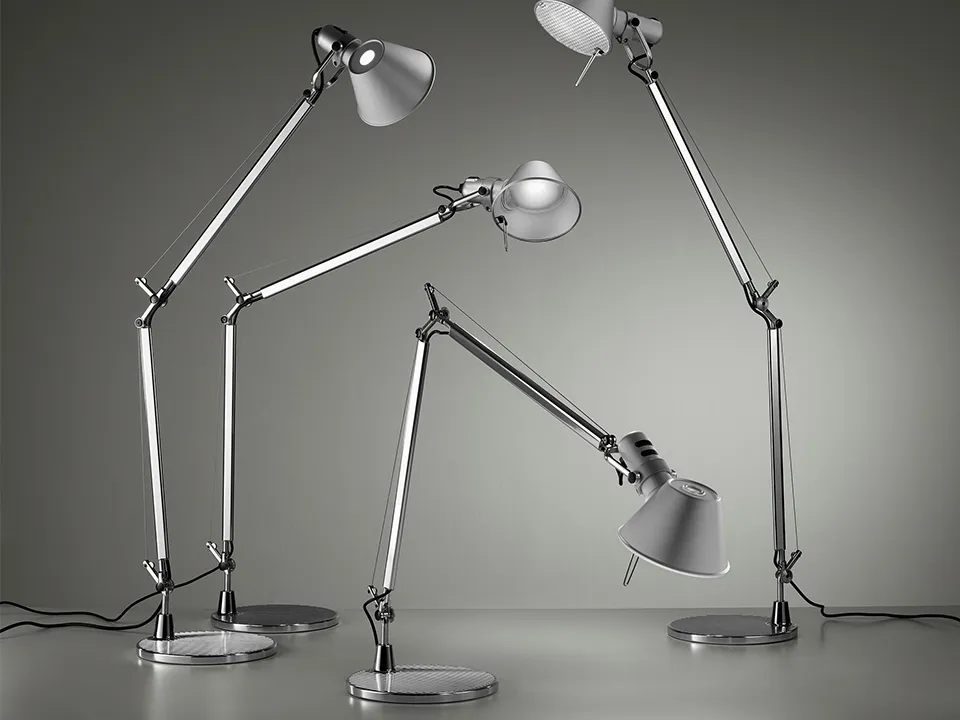
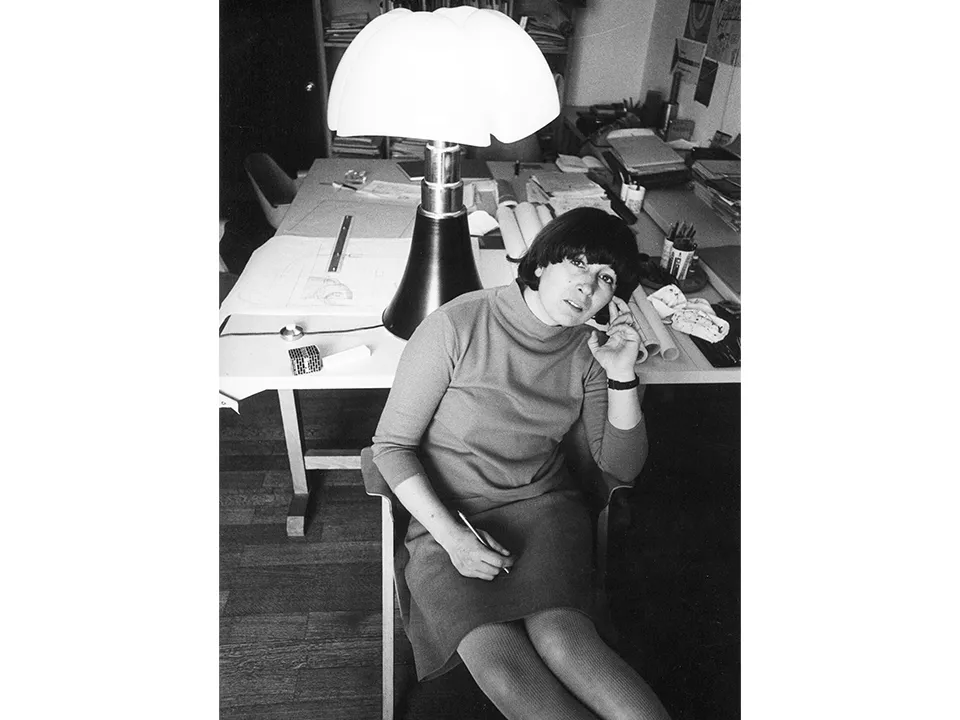
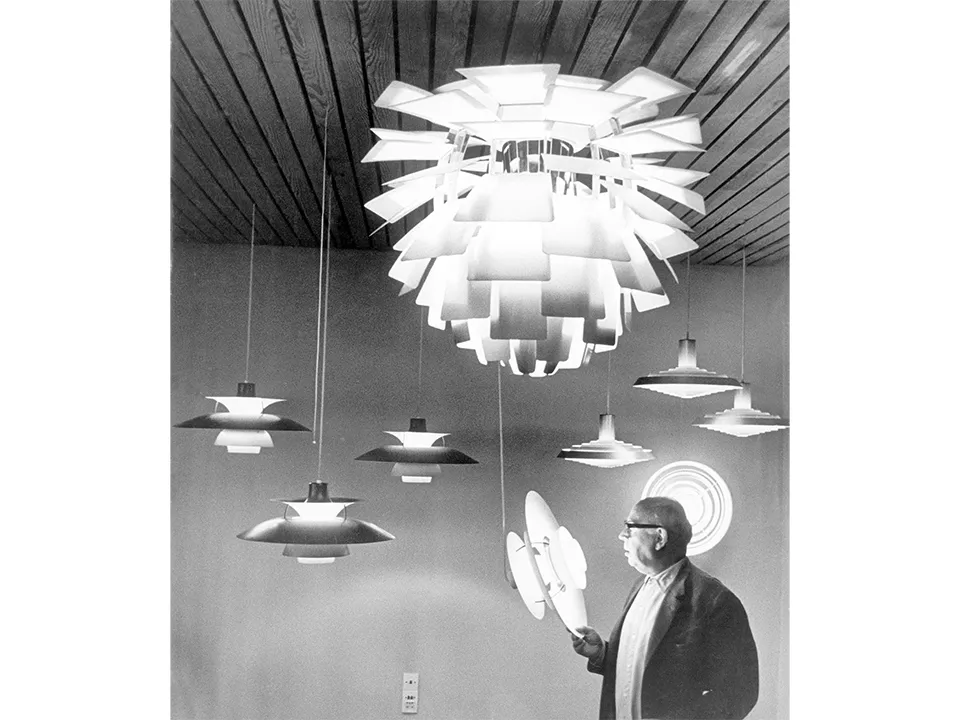
Last but not least, many world-famous fittings from various manufacturers certainly deserve a mention here. We are thinking of the PH Artichoke by Poul Henningsen (1958, Louis Poulsen), Pipistrello by Gau Aulenti (1965, Martinelli Luce), Tolomeo by Michele De Lucchi and Giancarlo Fassina (1986, Artemide), and Arco by Pier Giacomo and Achille Castiglioni (1962, Flos). Of course, this list could go on indefinitely.
Question about this story? Ask your question
Keep following this
Get an email when a new story is published. No account needed.
- ThemeLight and sound as design tools
- SubjectGeneral







