Acoustic standards for residential buildings
The new Belgian acoustic standard for residential buildings has been in force since last summer. It is stricter in some respects than its predecessor, although it also introduces a number of relaxations. “A revision for the better,” says Dr Pieter Schevenels. “Although the standard has become anything but simpler in every respect.” We take a closer look at some of the changes.
No article on acoustics is complete without revisiting the updated standard for acoustics in residential buildings (NBN S 01-400-1). It has been in force since 8 July 2022, 14 years after the first standard was published in 2008. A revision was due. Building methods have evolved over the years, as has noise exposure. Several gaps needed to be addressed. Some criteria have become stricter, while others have been relaxed. We discuss some of the new features with Dr Pieter Schevenels, director of acoustic engineering firm PS Acoustics and lecturer in Building Acoustics at the Faculty of Architecture and Arts at UHasselt.

The ABC of acoustics
To be clear, this revised standard only applies to residential buildings for which the planning permission application was submitted after 1 January 2023. It does not apply to buildings for short-term stays (e.g. holiday homes) or homes with shared kitchens and sanitary facilities (e.g. student accommodation). One significant change is the introduction of three performance levels. Pieter Schevenels explains: “Instead of ‘normal comfort’ and ‘increased comfort’, there are now three classes: A, B and C. Classes B and C broadly correspond to increased and normal comfort respectively in apartment buildings. There is also a ‘super class’, Class A. The aim is to make clients realise that Class C really is the minimum, and that a better balance between cost and acoustic satisfaction may lie in Class B.” Note that for terraced houses, Class B is the minimum, and Class A should be the target for increased acoustic comfort.
Options without a separate entrance hall and night hall
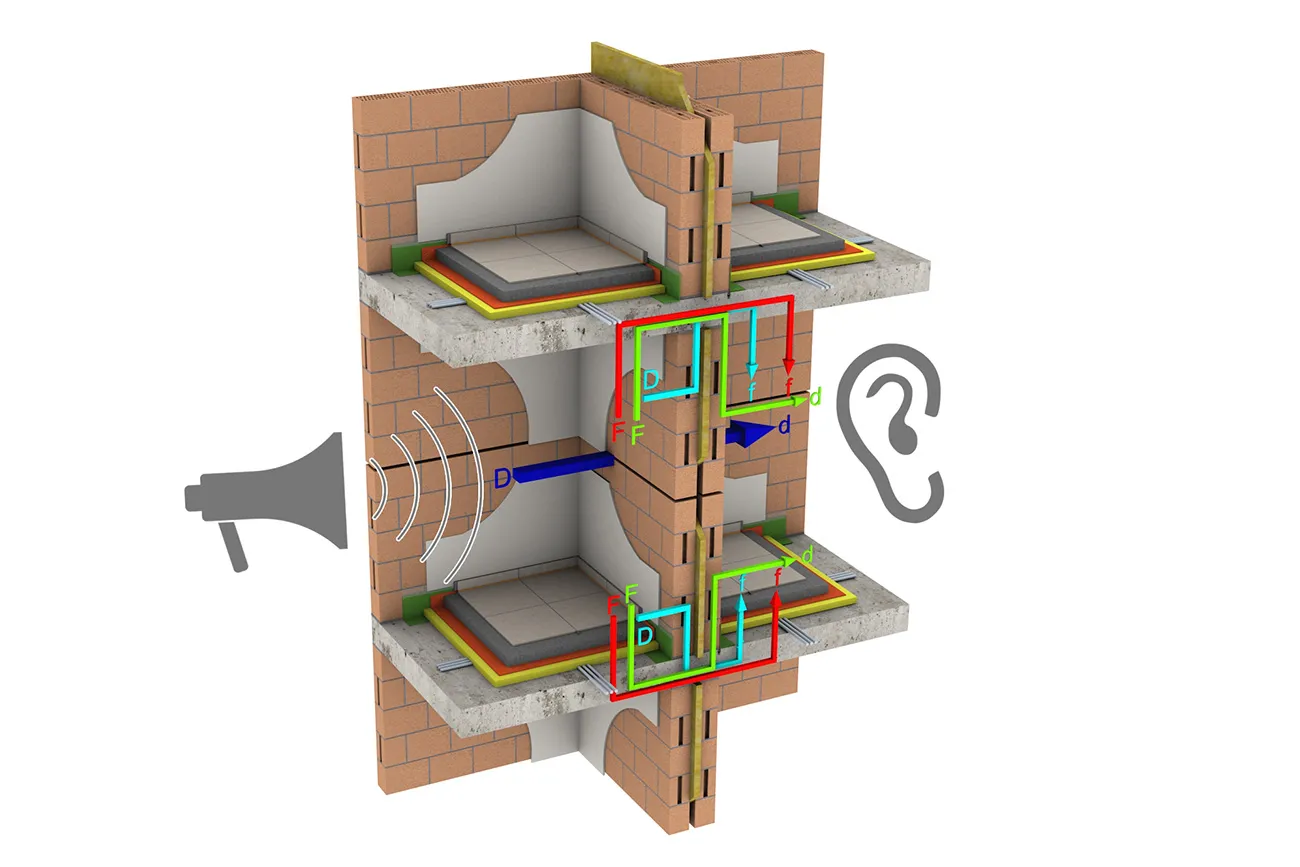
The standard distinguishes between five aspects of building acoustics and insulation: airborne sound insulation, impact sound insulation and façade sound insulation, as well as noise from building services and reverberation/absorption. As regards airborne sound insulation, the acoustic requirement has been expressed using a new, corrected quantity. This takes greater account of the typical sounds expected in residential buildings from the source room. Bear this in mind when comparing old and new figures. “Compared with the previous standard, this amounts to a tightening of just 1 dB. Relatively little, then,” says Pieter Schevenels. “There is also a significant relaxation of the airborne sound insulation requirement between communal and private areas.
The previous standard was unrealistically stringent. It now also takes account of homes without a separate entrance hall, such as assisted-living units, studios and one-bedroom flats. The standard can now be met without a separate entrance hall in these cases. This is now explicitly stated in the standard. It is sufficient to include the potential acoustic discomfort in the specification and notify the client in writing, who must then also inform prospective tenants or buyers in writing.”
Stricter impact sound and façade sound insulation requirements
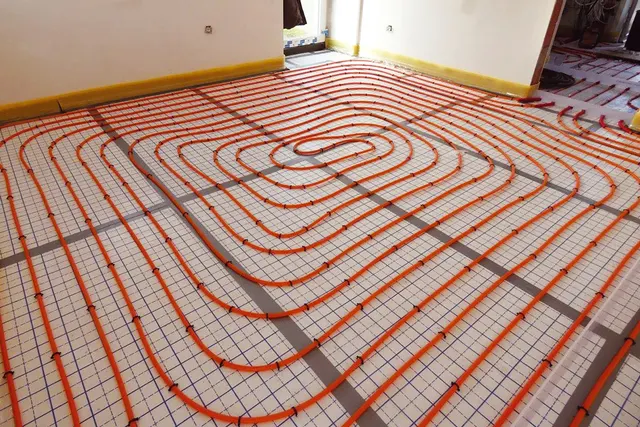
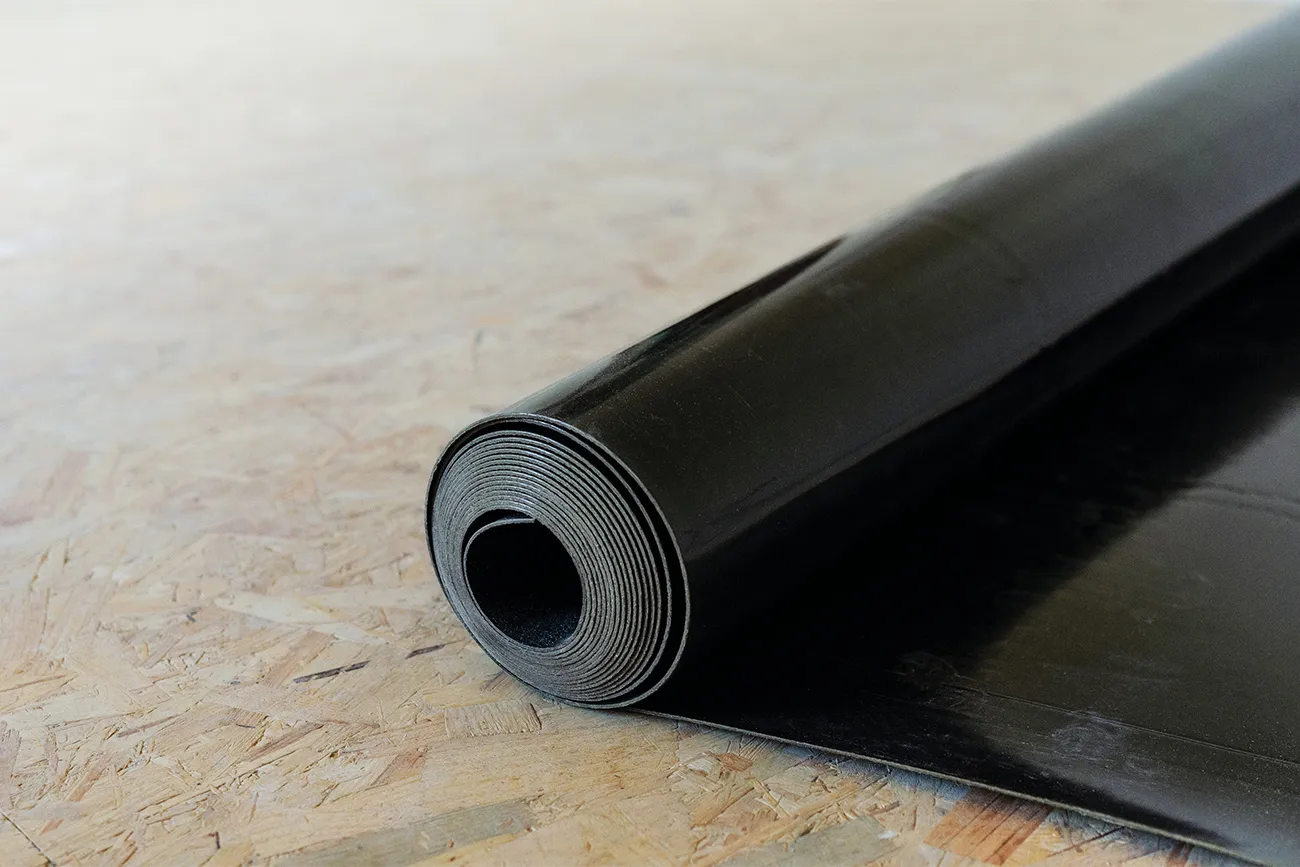
The airborne sound insulation requirement within a single dwelling has remained more or less unchanged. Pieter Schevenels says: “To meet the standard, you need to provide a hall or lobby with two doors. An open staircase leading from the living room, without a door, to the night hall does not comply with the standard.” A concession has been added to the new standard: this requirement does not apply if there is only one bedroom. Another new feature is the additional criteria for separating constructions in the low-frequency range for airborne and impact sounds. “Think bass notes, for example from soundbars. These can cause disturbance in lightweight constructions.” This brings us to the impact sound insulation requirements, which have been tightened considerably, by around 7 dB. That does not mean that existing impact sound insulation mats are no longer suitable. With due attention to the proper installation of floating screeds, the standard can still be met with most mats.”
Acoustic ventilation grilles become standard
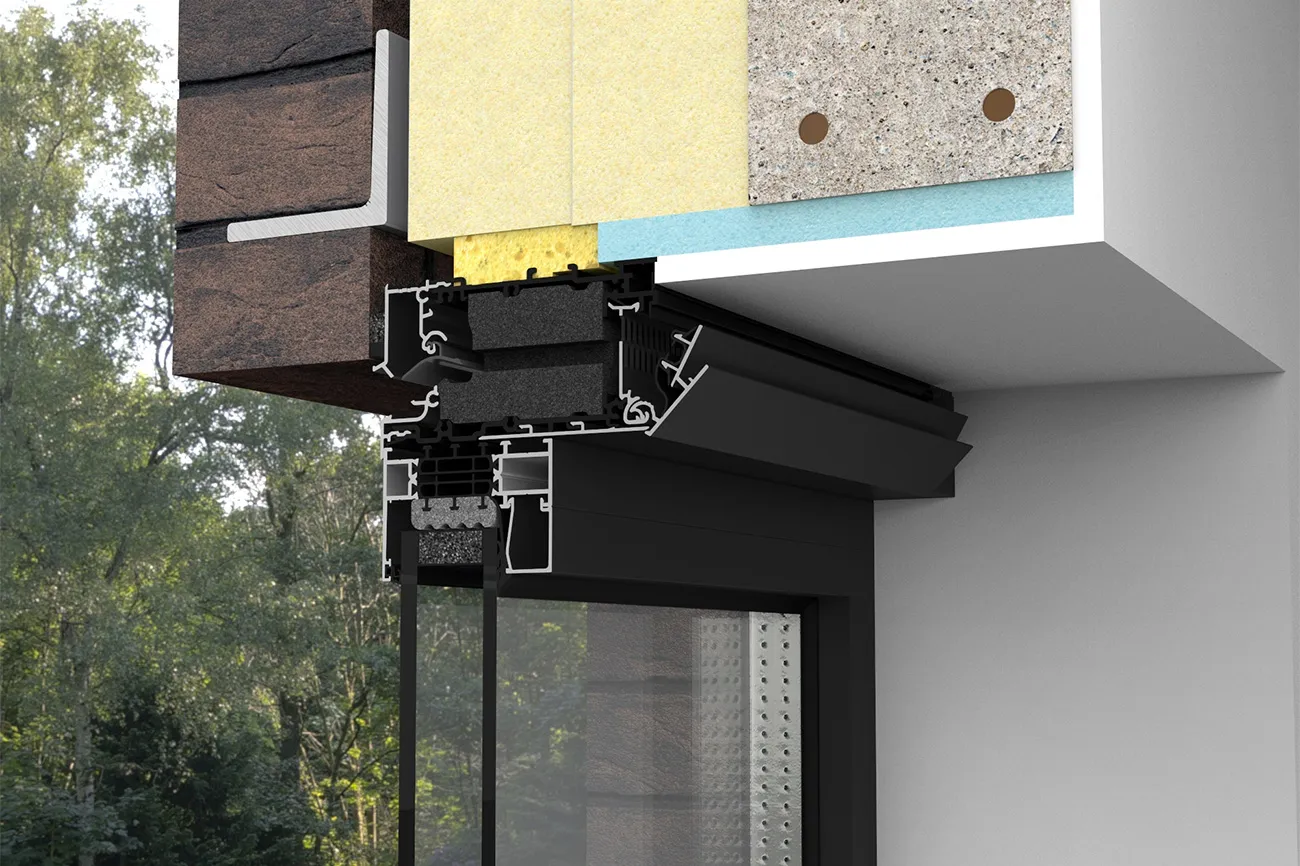
Façade sound insulation requirements have become slightly stricter. Pieter Schevenels explains: “This does mean that ventilation grilles in Type C ventilation systems must always provide a minimum level of acoustic insulation. For projects on busy regional roads, Type C systems are sometimes no longer compatible with the acoustic requirements, making a Type D ventilation system necessary.” A publication by Buildwise and Dr L. De Geetere also notes that the new standard now sets separate requirements for daytime and night-time rooms, based solely on the respective daytime or night-time noise exposure. This avoids unnecessary overdesign of daytime rooms, while providing extra protection for bedrooms exposed to noise from road, rail or air traffic.
Building services noise and room acoustics
As regards building services noise, the standard distinguishes between continuous and intermittent noise. Pieter Schevenels says: “Requirements have been relaxed for continuously operating systems such as ventilation. Noise from shared service shafts is now subject to requirements not only in bedrooms and living rooms, but also in bathrooms.” One final change concerns noise emissions towards neighbouring properties. “In addition to the requirements imposed by Vlarem, the revised standard sets a maximum of 40 dB at the property boundary, to prevent noise pollution from, for example, heat pumps in small-scale projects.” Does the new edition of the standard inevitably mean a significant increase in construction costs? “Not necessarily. Material costs do not always have to rise. However, it is now more important than ever to follow sound building practice, work to the highest standards and pay attention to detail.”
Question about this story? Ask your question
Keep following this
Get an email when a new story is published. No account needed.
- ThemeLight and sound as design tools
- SubjectAcoustics