








8 advantages of using aluminium in construction
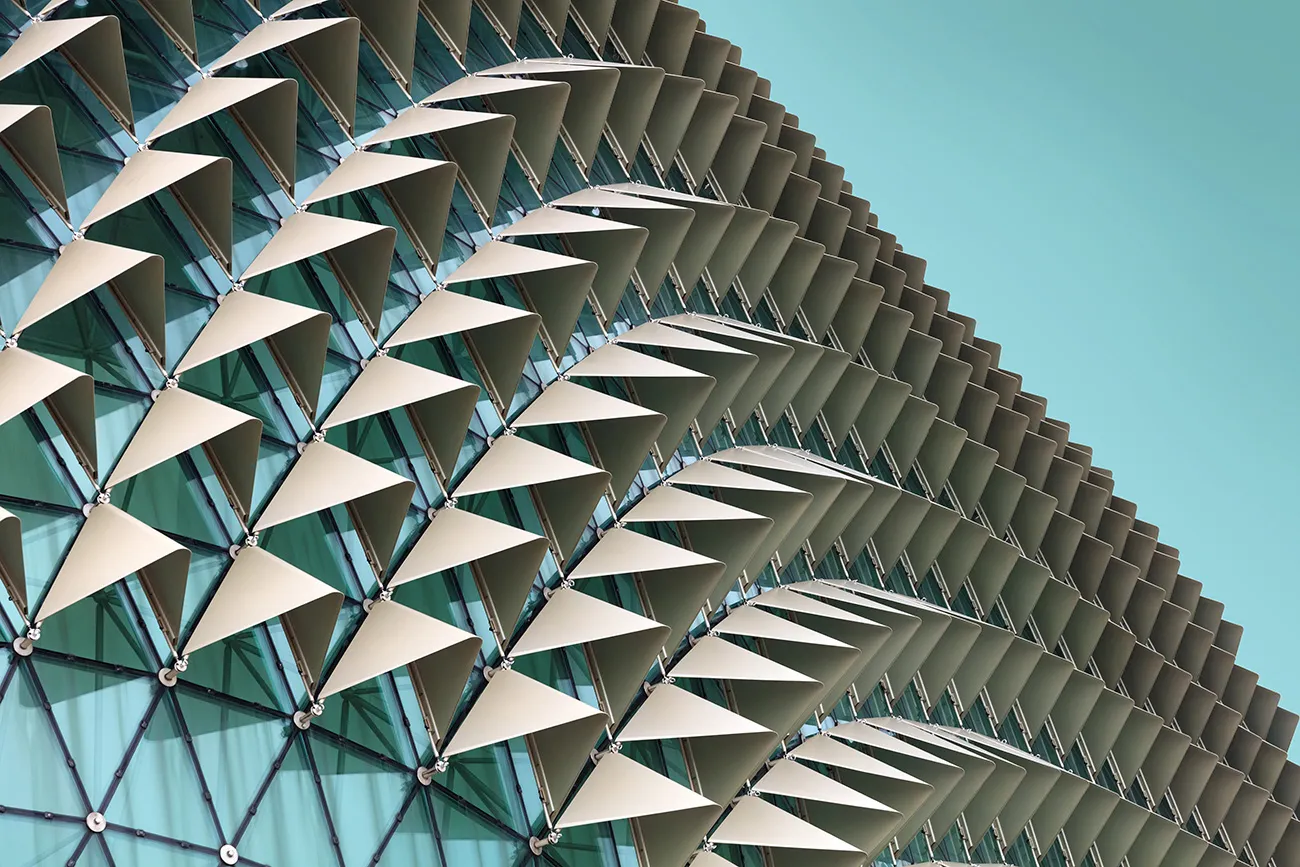
Which sustainable building materials can be used to design buildings with high insulation performance? Which material can even be used to realise the most unconventional architectural projects? Aluminium!
There are at least 8 reasons why aluminium is an excellent choice for the AEC sector (Architectural Engineering & Construction).
1. The material is lighter than steel
Aluminium is three times lighter than steel. This means aluminium structures can be erected where other solutions are not feasible. The light weight and rigidity of aluminium components make it possible to design glazing in sizes that were previously impossible.
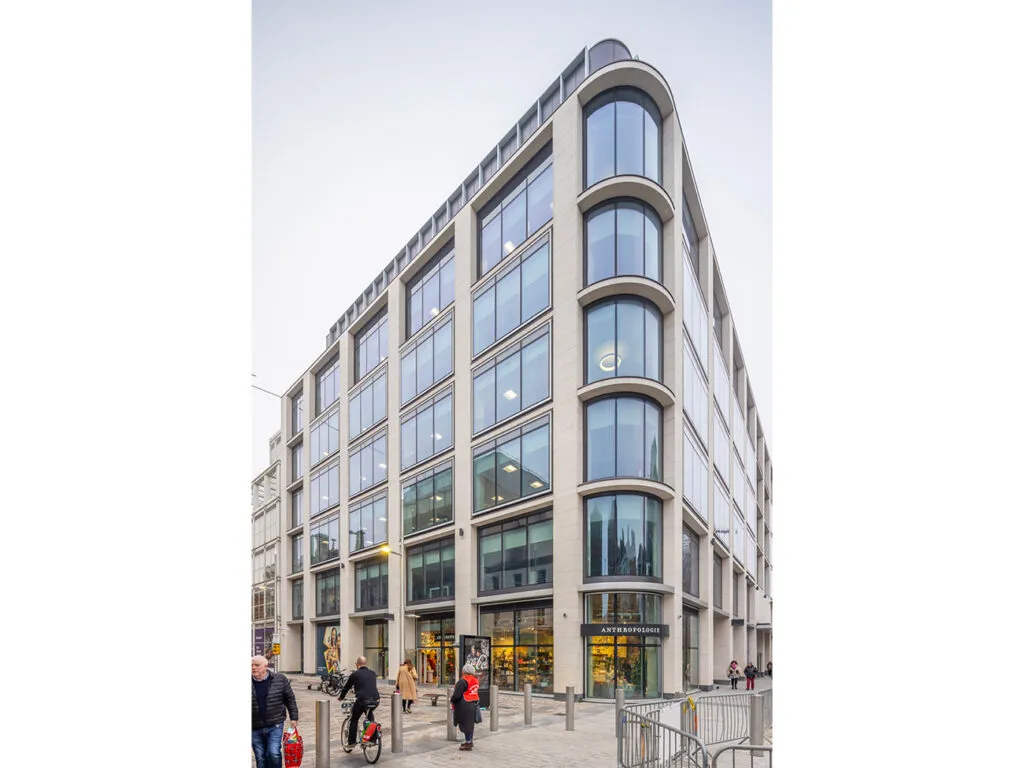
One of our leading products in this category is the MB-SR50N mullion and transom curtain wall system, designed for the construction of lightweight curtain walls. This choice offers both durability and strength, making it possible to design an attractive façade with large areas of glazing and a uniform grid appearance, explains Emmanuel Gregoire, Managing Director at Aluprof Belgium nv.
2. Freedom to shape profiles
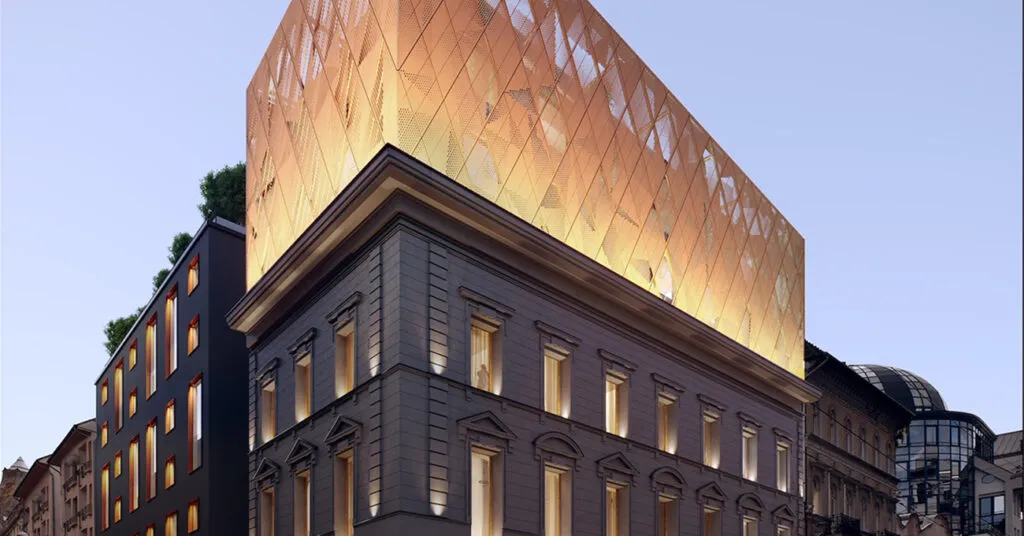
Flexibility combined with excellent durability makes it possible to create façade systems in an almost unlimited range of shapes.
For architects, aluminium is a powerful tool for realising their most creative artistic visions … but that is not its only advantage. The slim profiles also make aluminium suitable for renovation projects, particularly where the historic façade needs to be preserved.
3. No corrosion
Unlike steel, aluminium is not susceptible to corrosion. This is important when it comes to maintaining the material. It extends the building’s service life and means renovations or replacements are needed less often.
4. Excellent thermal performance
The days when aluminium windows were considered ‘cold’ are long gone, explains Emmanuel Gregoire. We now achieve excellent insulation performance, with values as low as 0.5 W/m2K. This is confirmed, among other things, by the Passive House Institute certificate in Darmstadt, which evaluates our systems, the expert says.
By using wide thermal breaks with a special shape, we can add an extra partition within the profile insulation. We insulate the space between the sash and the frame with a two-component central gasket, and use additional insulating inserts between the glass itself and the profiles. The result? Excellent insulation performance, as required for modern sustainable construction, explains the expert.
5. Resistance to weather conditions
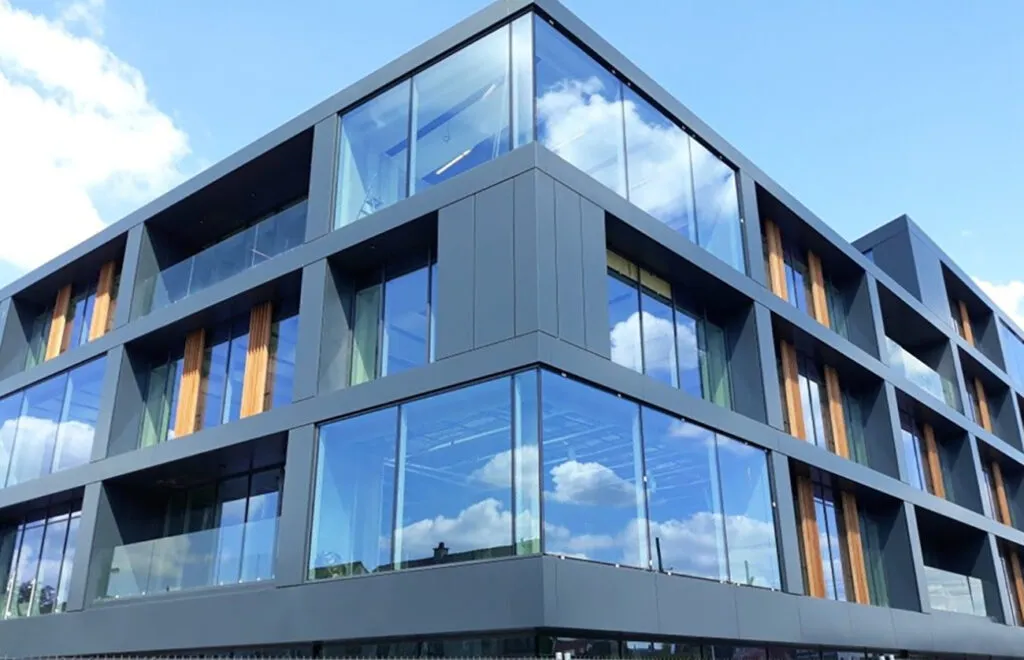
Aluminium window, door and façade systems also offer excellent resistance to weather conditions, including wind, rain and temperature. Aluminium is also ideal for creating fire-resistant components.
For example, the MB-78EI system can be used to install internal and external fire partitions with single or double doors, achieving high fire-resistance ratings from EI15 to EI90, says Emmanuel Gregoire.
6. Aluminium is fully recyclable
From an environmental perspective, reducing carbon footprints and waste is more important than ever. Aluminium is the ideal material in this respect, as it can be processed indefinitely without loss of quality, and recycling it requires just 5 % of the energy needed to produce primary aluminium.
By recovering aluminium scrap, we also reduce air pollution by 95 % and water pollution by 97 %. The high recyclability of the raw material means not only that it can be recovered, but also that the amount of construction waste can be reduced.
7. Small carbon footprint
Choosing the right aluminium supplier can further reduce the carbon footprint of a project. Using a high proportion of aluminium scrap in the melting process can produce aluminium ingots with a lower CO2 value.
The difference is significant. While the average carbon footprint of primary aluminium (global production) is 16.7 t CO2 e/t , and in Europe it is 6.7 tCO2 e/t, at Aluprof total greenhouse gas (GHG) emissions are just 2.9 t CO2 e/t, thanks to the use of 65 % recycled aluminium in the melting process, explains the Managing Director at Aluprof Belgium nv.
8. Circular economy
As aluminium can be reused, it can form part of a circular economy. Not as part of the biological cycle, in which processed waste is turned into fertiliser, but as part of the technical cycle, in which waste becomes a product again.
The circular economy is a key strategic priority for the European Union in achieving climate neutrality and halting biodiversity loss. This is particularly important for Brussels, which is targeting good results for the circular economy through programmes such as PREC (Programma Régional en Economie Circulaire).
Some Aluprof façade, window and door systems, including MB-SR50N HI+ and MB-86 SI, have been awarded Cradle to Cradle certification by the Cradle to Cradle Products Innovation Institute. This is definitive proof that these building materials have a positive impact on the environment and people, and enable construction in a circular economy, emphasises Emmanuel Gregoire.
Let’s Build a Better Future
The importance of aluminium in the AEC sector is growing, and as a manufacturer of aluminium façade systems, we are not resting on our laurels, emphasises Gregoire. On the one hand, we are developing our technology. This is resulting in new technical solutions that extend the service life and durability of the systems we provide. On the other hand, we are working to limit our environmental impact. We plan to reduce Aluprof’s carbon footprint by a further 15 % by 2025, and aim to be fully carbon-neutral by 2050.
Excellent durability and strength. The ability to design even the most unusual and demanding structures. Ease of use in the revitalisation and renovation of a property. These arguments show that aluminium is a versatile building material that cannot be overlooked. Add its environmental value and neutral impact on the environment, and it is clear that aluminium is the building material of the future .
Article sponsored by Aluprof

ALUPROF BELGIUM NV
TVA BE: 0631.791.484
BTW BE: 0631.791.484
Zeelsebaan 61, 9200 Dendermonde
+32 52 258 110
aluprof.eu/nl
Question about this story? Ask your question
Keep following this
Get an email when a new story is published. No account needed.
- ThemeBuilding envelopes for a changing climate
- SubjectGeneral







