Unique sheet material for cladding façades and roof edges
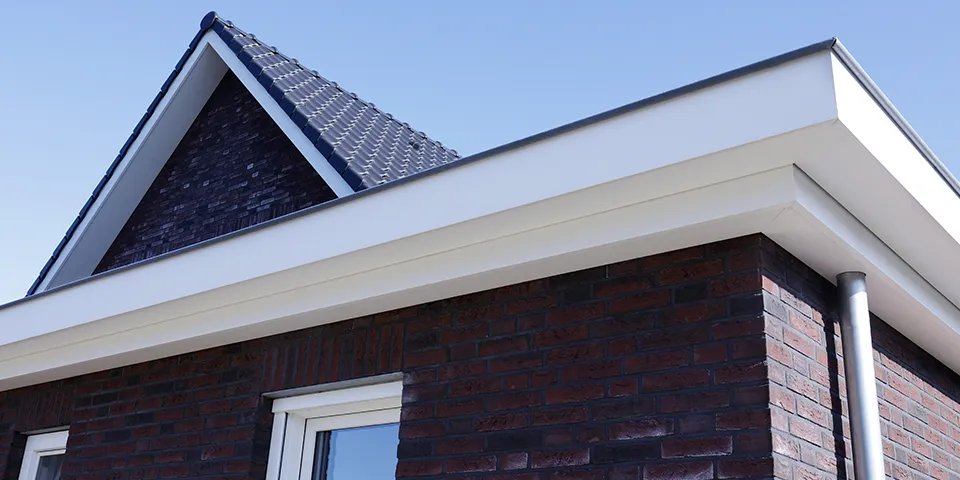
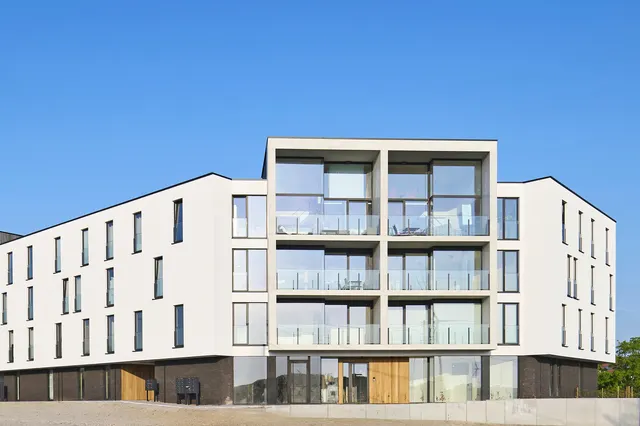
The days when every home had a façade of traditional brickwork are over. Today, architects and clients often choose alternative elements made from aluminium, steel, glass and other materials to clad façades and roof edges.
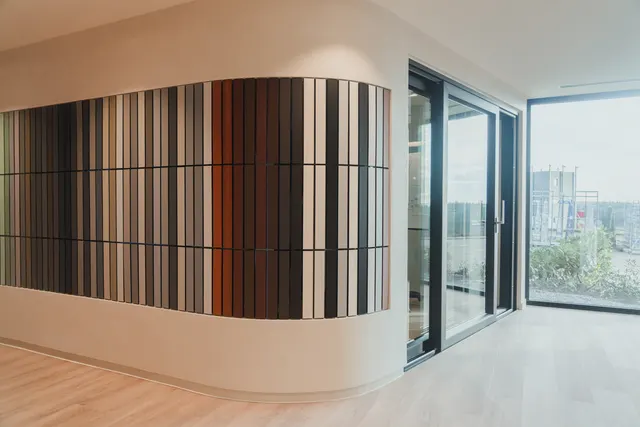
As a manufacturer of sustainable interior and exterior solutions, LoCra also offers a unique solution for cladding façades and roof edges, assembled from the exceptionally durable Tricoya® Extreme sheet material and finished with UV-resistant Renolit film or water-based coatings. This product offers unprecedented possibilities for applications and environments where wood-based sheet material could not previously be used.
Roof edge and façade cladding
The company from Kuringen continues to invest in innovation, for example by producing panels for cladding façade elements, roof edges, fascias, dormers and ceilings, among other things. This sustainable, low-maintenance solution, which carries the FSC label, is assembled from Tricoya® Extreme. “This unique sheet material, combined with Accoya® technology using acetylated wood fibres, offers outstanding dimensional stability and durability, even in the most changeable weather conditions. The mould-resistant panels do not crack or split and retain their shape in virtually every direction,” says LoCra.
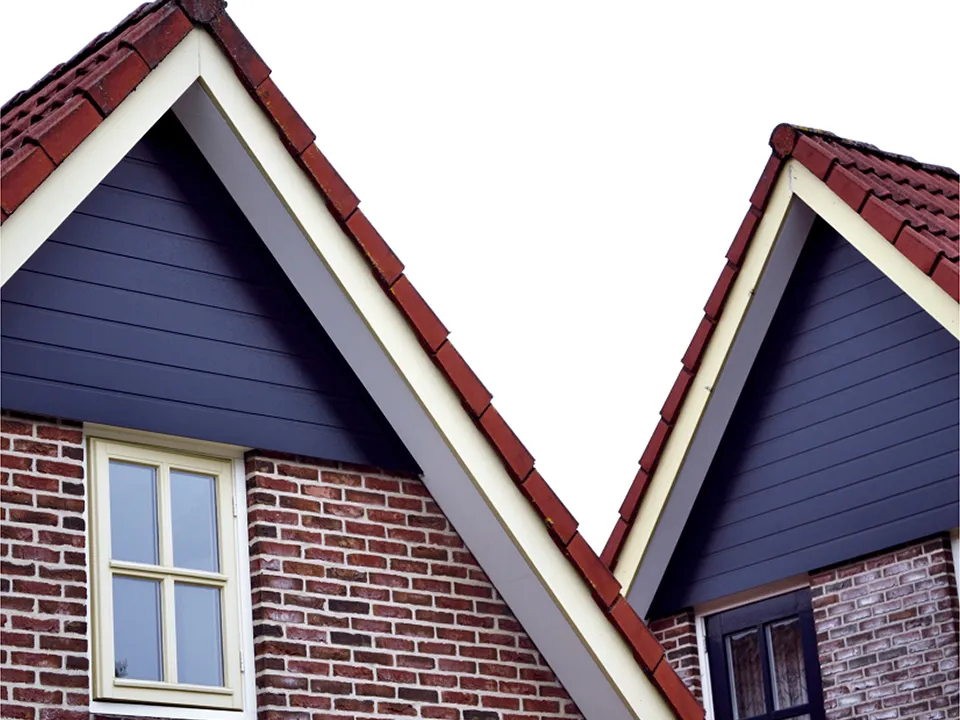
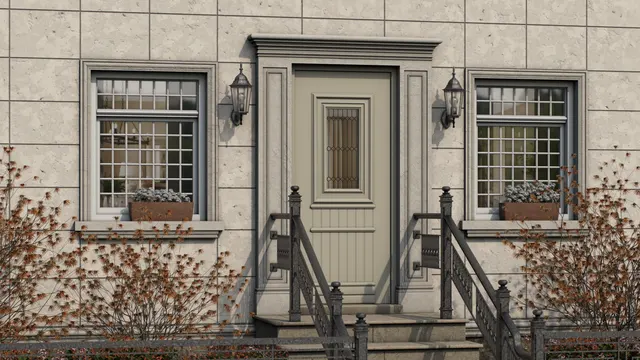
The new panels can also be used in environments and applications where wood-based sheet material was not previously an option. “Tricoya® Extreme comes with a 50-year guarantee for above-ground applications and 25 years for underground use,” explains the managing director. “These panels are finished with UV-resistant Renolit film or conventional water-based coatings and can be combined with the exterior joinery for windows and doors. They are available in an exceptional length of 5,550 millimetres, offering major benefits in terms of processing and labour time. Their dimensions also mean fewer end joints on the façade, giving it a more uniform appearance. Sawing, sanding, machining, bonding, painting, coating and fixing are all carried out in the same way as with standard high-quality wood-fibre panels.”
Question about this story? Ask your question
Keep following this
Get an email when a new story is published. No account needed.
- ThemeCircular construction and material awareness
- SubjectExteriors