The key challenges facing architecture in the post-pandemic era
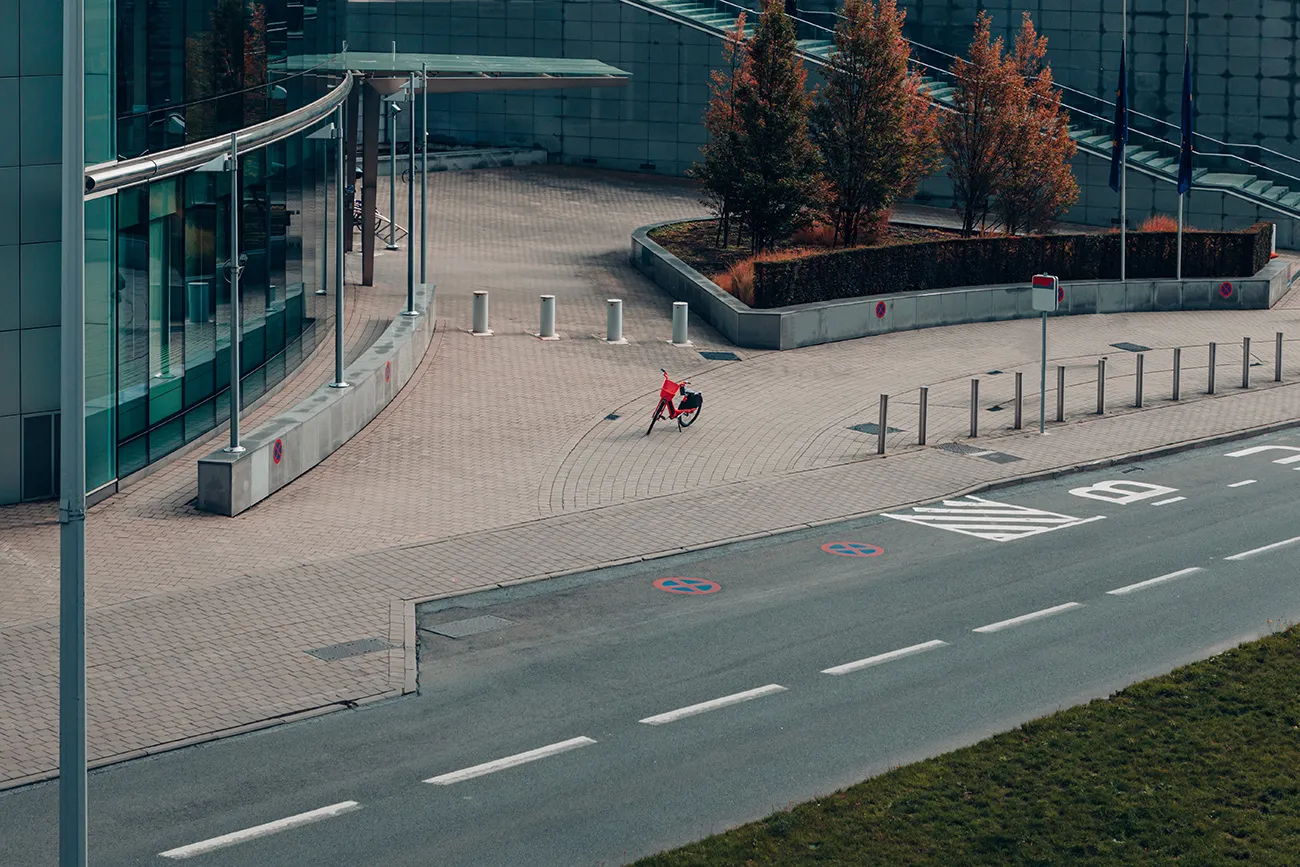
The COVID-19 pandemic has drastically changed our lives, not just temporarily during lockdown, but globally, changing the way we work, travel and shop. This shift in habits is also leading to an inevitable transformation in construction. The post-pandemic era is bringing a lifestyle transformation that is driving the evolution of office, commercial and residential spaces. How?
How has the pandemic changed architecture?
Hybrid working, the need to maintain social distancing and have more private space, and the growing share of e-commerce channels in shopping are just some of the social consequences of a pandemic that has lasted for more than two years. Viewed in a broader context, these trends will also have a major impact on architecture and the management of space, both private and public.
Alongside the main challenges facing the AEC sector (Architecture, Engineering and Construction), namely ecology and reducing the carbon footprint of buildings in the years ahead, other issues are emerging, such as a new approach to office space, the need for multifunctional commercial leisure spaces and the idea of the 15-minute city. This makes renovation and revitalisation the most pressing trend in architecture in the coming years.
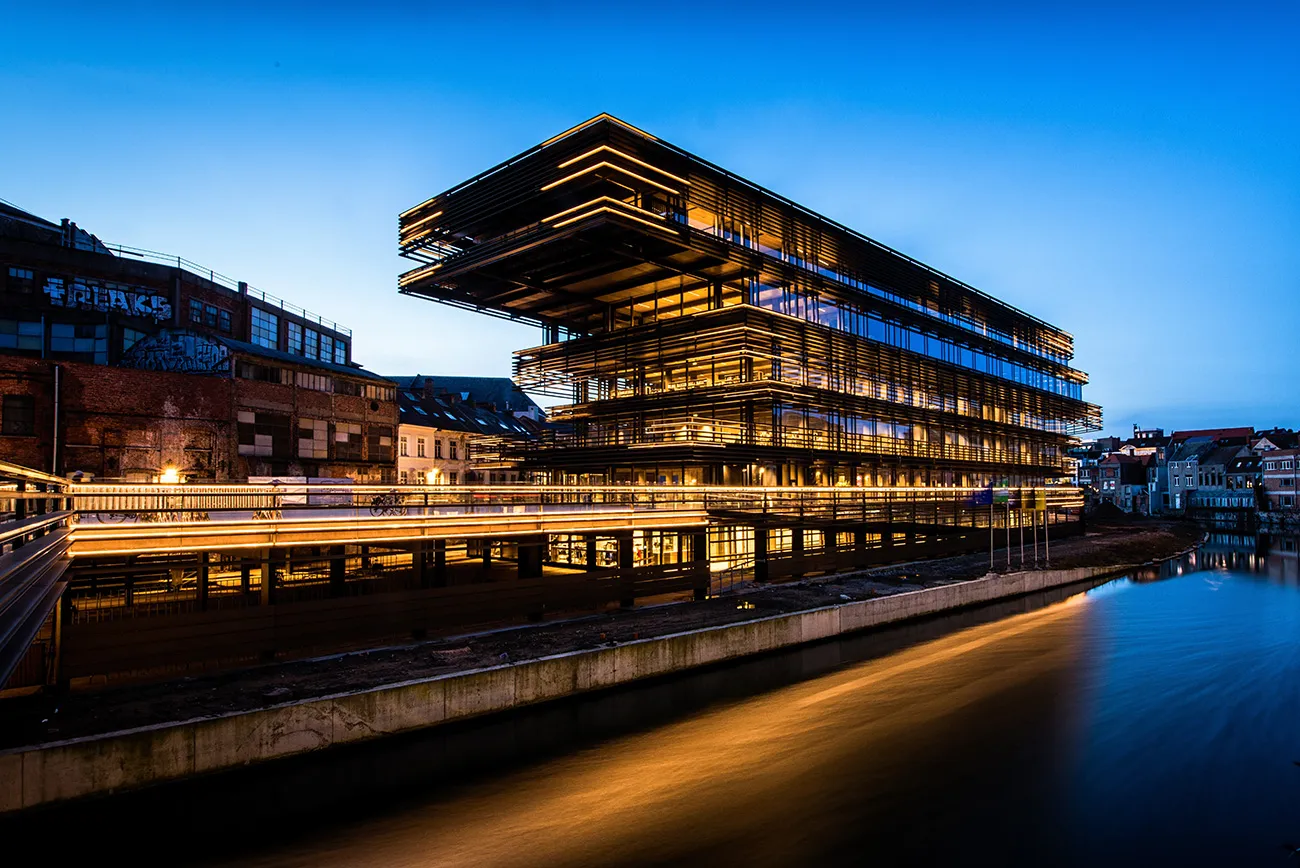
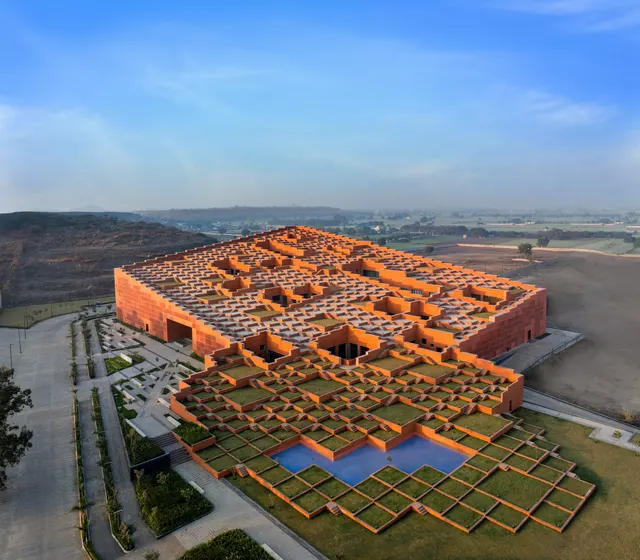
De Krook, Ghent, Belgium. Systems used: MB-78EI, MB-86 SI, MB-SR50N A.
Remote and hybrid working are changing the look of office buildings
Although not everyone can work from home, Belgium certainly stands out from the rest of Europe in this respect. In 2020, no less than 26% of people in the Brussels region worked remotely. People who have grown used to the comfort of days without traffic jams are not necessarily keen to return to the way things were before.
More than 80% of Belgians, including 40% of those in management roles, say they would prefer to work remotely at least two days a week. At the same time, offices have not been abandoned altogether. According to 50% of Belgians, they are needed for group meetings, creative work and brainstorming.
Offices have not become obsolete, but they are being used differently. The required functions have changed, and above all, the amount of space available to employees has shifted. It seems that the days when 100% of office workers were permanently based in the office are not coming back. So how is this changing the approach to office design?
Activity-based working offices and tenants’ changing needs
Activity-based working (ABW) is a trend that first emerged in the US in the 1980s. Offices designed to meet employees’ needs precisely were intended to replace traditional ‘open-plan’ spaces, which had proved inefficient and tiring for workers.
ABW is now gaining ground. Office space is divided into zones according to the types of activity most common in the company. Employees do not have fixed workstations. When they need to concentrate, they work at a dedicated desk in a quiet zone. For meetings, they use rooms whose size and equipment can be tailored to the specific needs of the group. Assuming that some employees work remotely, the number of workstations can be reduced. The office space can be downsized or used differently.
in 2021, many companies adopted this approach when renovating their office space. Companies that recognised employees’ new needs and the opportunities offered by communications technology carried out minor renovations or major changes to their office interiors. These mainly involved designing spaces that improve the options and conditions for conversations and meetings, including online, explains Emmanuel Gregoire, Managing Director at Aluprof Belgium nv.
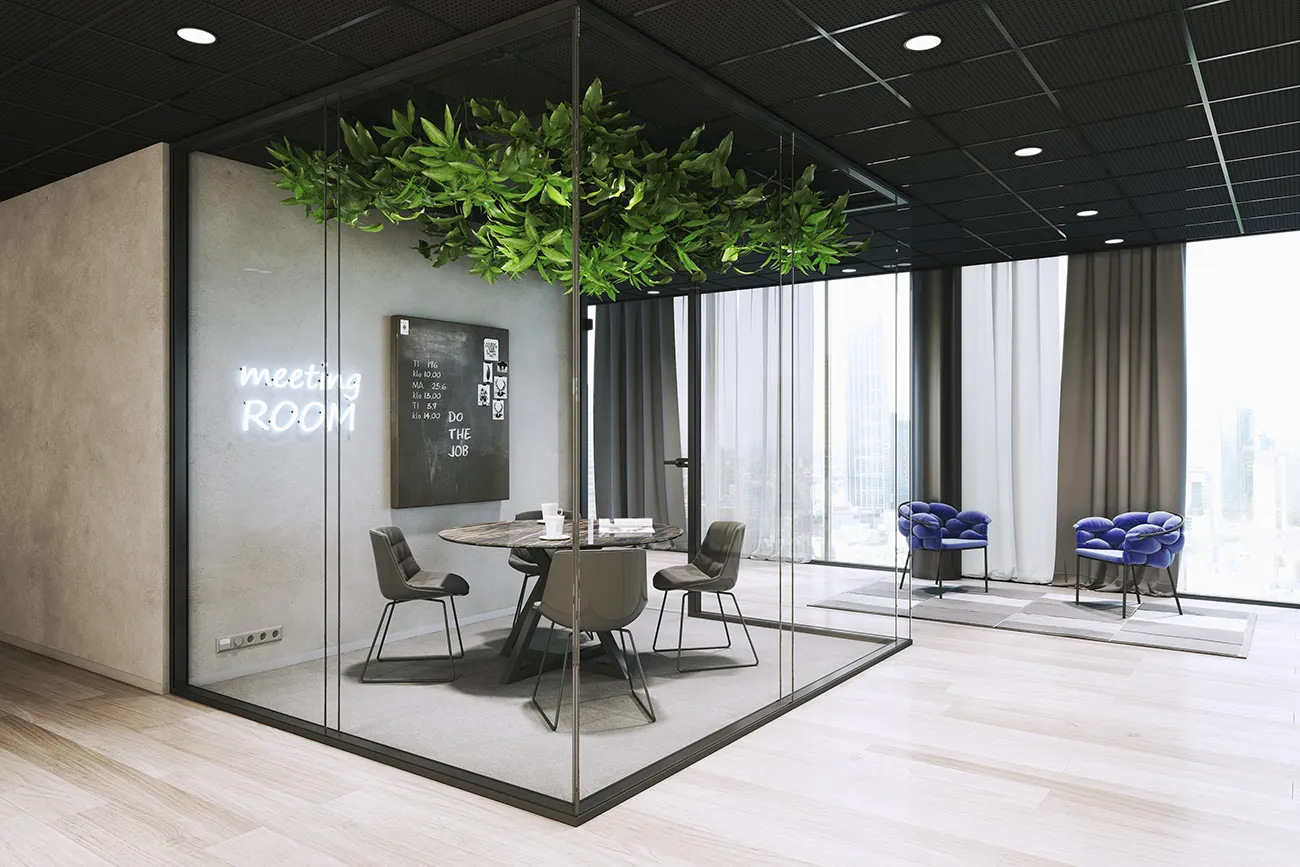
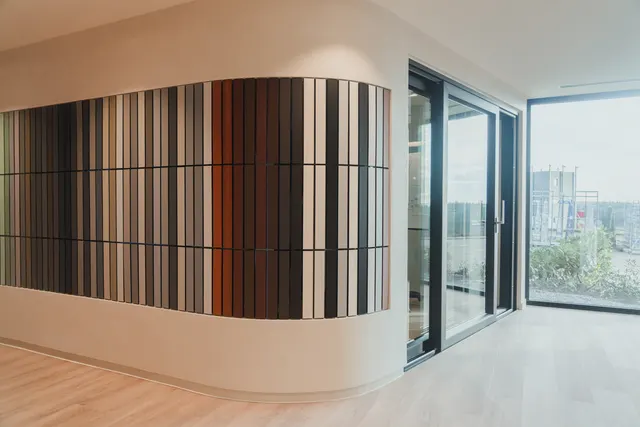
MB-Harmony Office, the Aluprof brand’s system for modern office solutions.
An ecological living space, ready for immediate use
More remote working also means a need for space for a home office. Compared with Europe, Belgium is in a very good position. There are on average 2.1 rooms per person, while the EU average is just 1.6 rooms. On average, 2.3 people live in a single apartment in Belgium, the same as the EU average. Fewer than 6% of people live in overcrowded apartments. So while workers across much of Europe needed more living space, this was not a major problem in Belgium. However, this does not mean that housing in Belgium is well prepared for the increase in remote working. The problem lies in working and living conditions, particularly heating.
From an ecological point of view, heating the many apartments where we suddenly began spending all day because we were working from home generates a much larger carbon footprint. This is especially true in Belgium, with its huge number of apartments and houses built at a time when no attention was paid to energy loss. According to data from Eurostat, Belgium is responsible for the highest greenhouse gas emissions after Luxembourg (1,245.3 kg per person). These buildings require thermal upgrades.
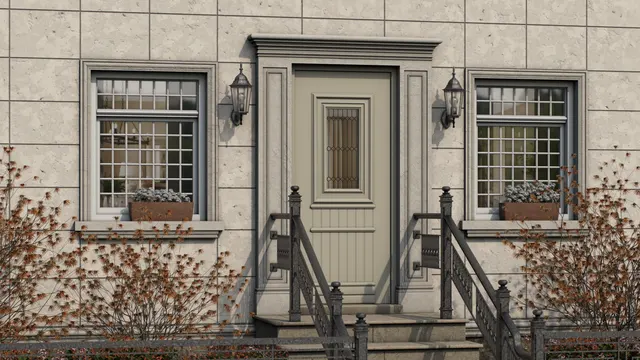
In principle, energy consumption in buildings can only be reduced by renovating them. Demolition and new construction are not a solution from an ecological or sociological point of view, says Emmanuel Gregoire. More and more of the investment projects we work on aim to revitalise entire industrial or commercial spaces, or renovate private buildings. This is one reason for the popularity of our window solutions, such as MB-FERROLINE and MB-SLIMLINE, which offer high thermal insulation while also allowing the appearance of the windows to be matched to the existing style, including on historic façades.
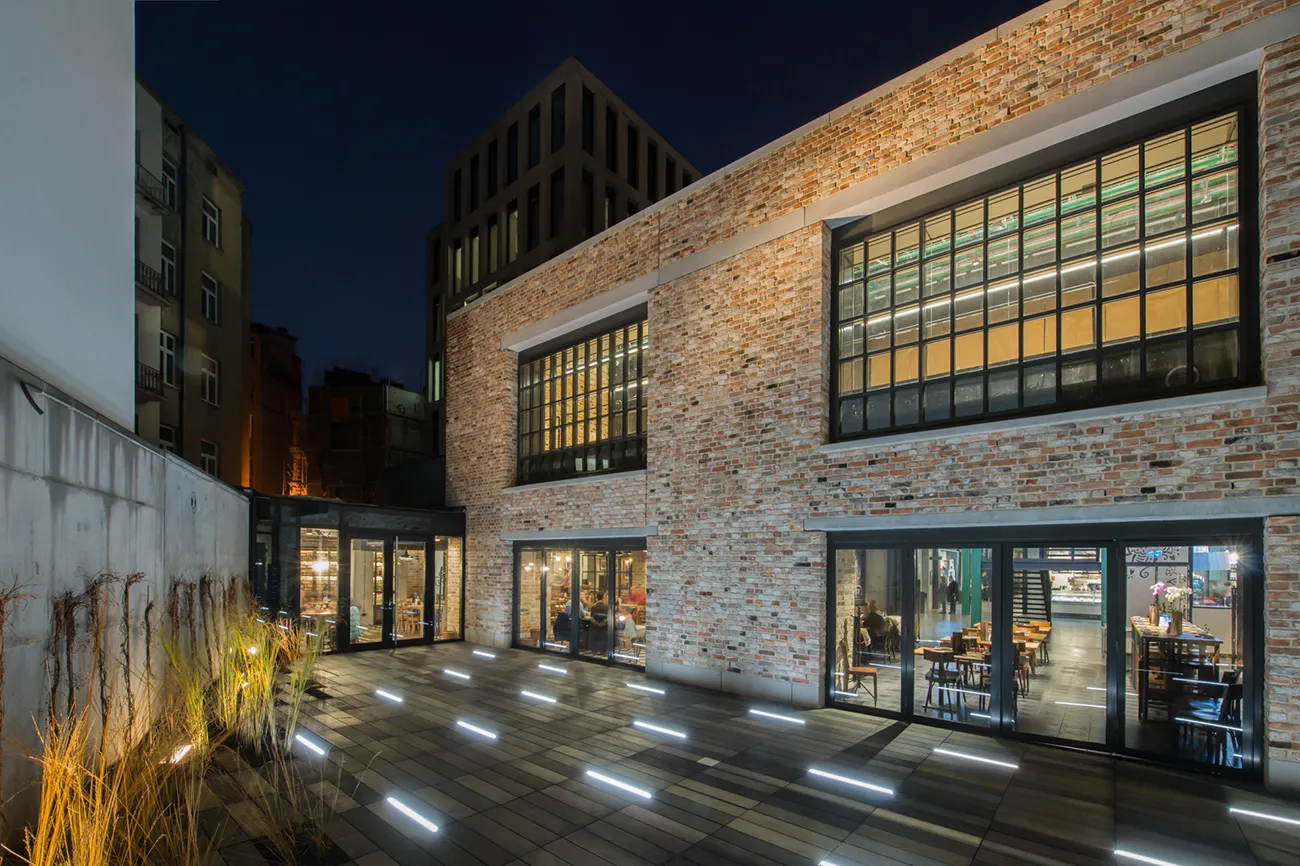
Koszyki Hall, Warsaw, Poland. Systems used: MB-Slimline.
Healthy buildings and healthy spaces
The need to reduce the carbon footprint is not a consequence of the pandemic. Quite the opposite. The fact that life across the planet slowed down for a few weeks showed us how pollution can be reduced and how important this is for everyone. In a broader context, this means a strong focus on reducing the carbon footprint of the construction sector, which places a heavy burden on the environment.
The second consequence of the pandemic that indirectly affects the construction sector is a greater recognition of the role of health and people’s natural physical and mental resilience. People want to live in an environmentally friendly place that benefits their health. This is not just about the health of the buildings they live in, good ventilation, a low carbon footprint and no materials that adversely affect health. It is also about arranging spaces in a way that makes looking after one’s health easy and enjoyable.
Combining residential and commercial spaces, green areas and outdoor spaces for social interaction is a contemporary need for residents of large cities who no longer want to work in office buildings and then sit in traffic on the way to huge or cramped bedrooms.
This creates a need to develop spaces according to the 15-minute city concept, where all the facilities and essentials residents need are just a few minutes away by bike or on foot.
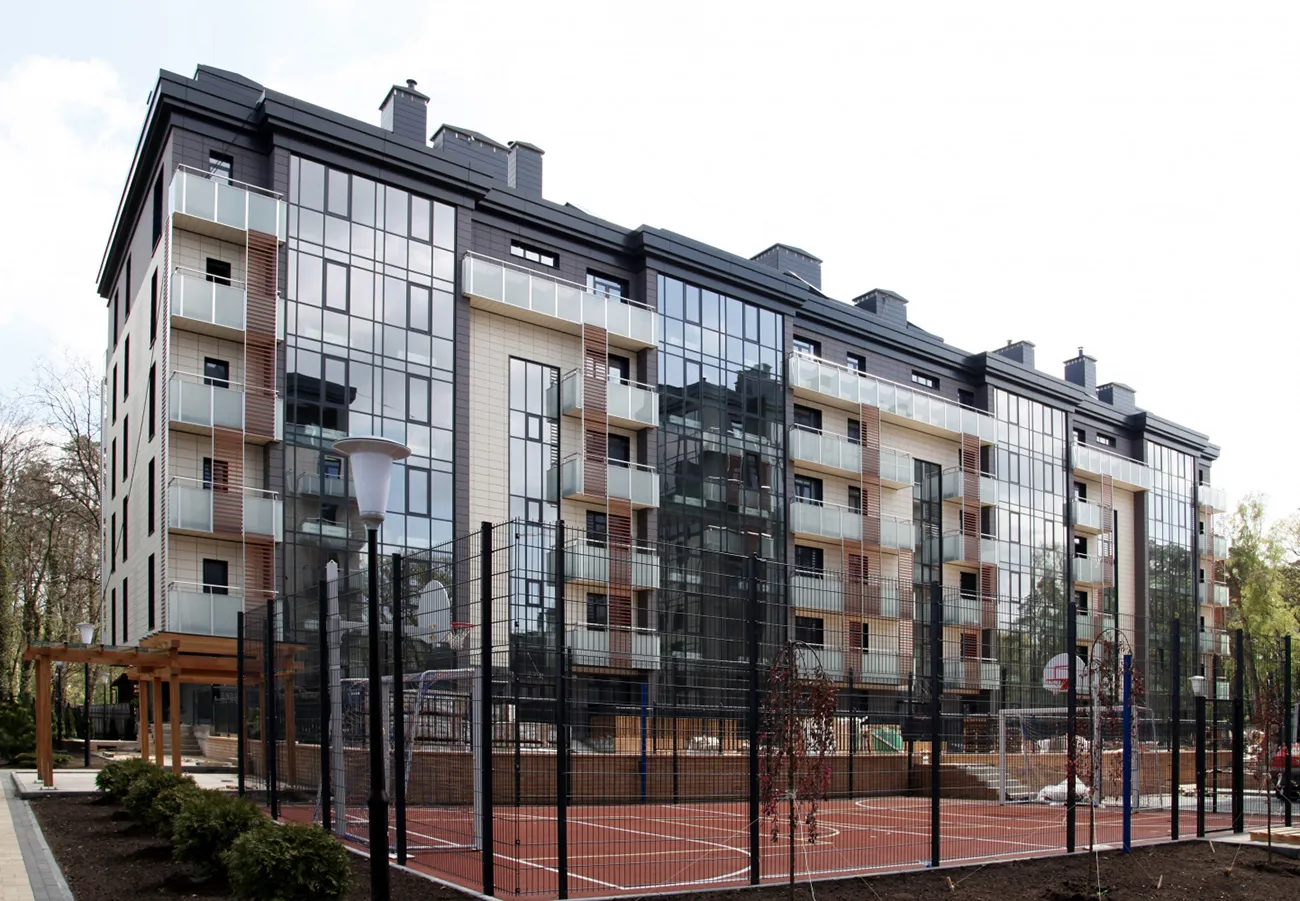
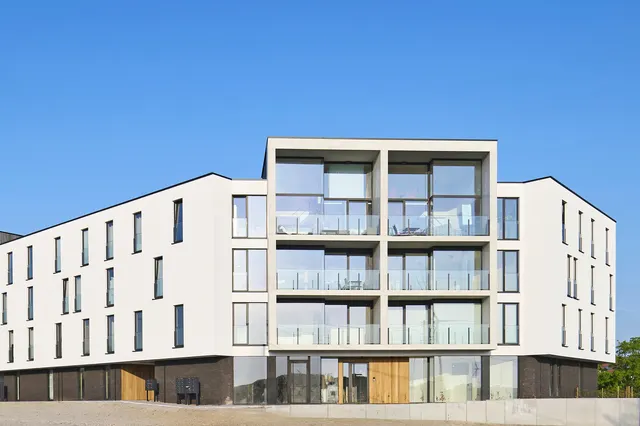
Klub Kalshof, Karlsdorf-Neuthard, Germany. Systems used: MB-70, MB-77HS, MB-SR50N.
For architecture, this approach to spatial development presents a serious challenge. On the one hand, space is limited: residential areas and industrial and commercial zones are built up. On the other, there is a need to adapt buildings that have lost their primary function. This applies mainly to factories and shopping centres.
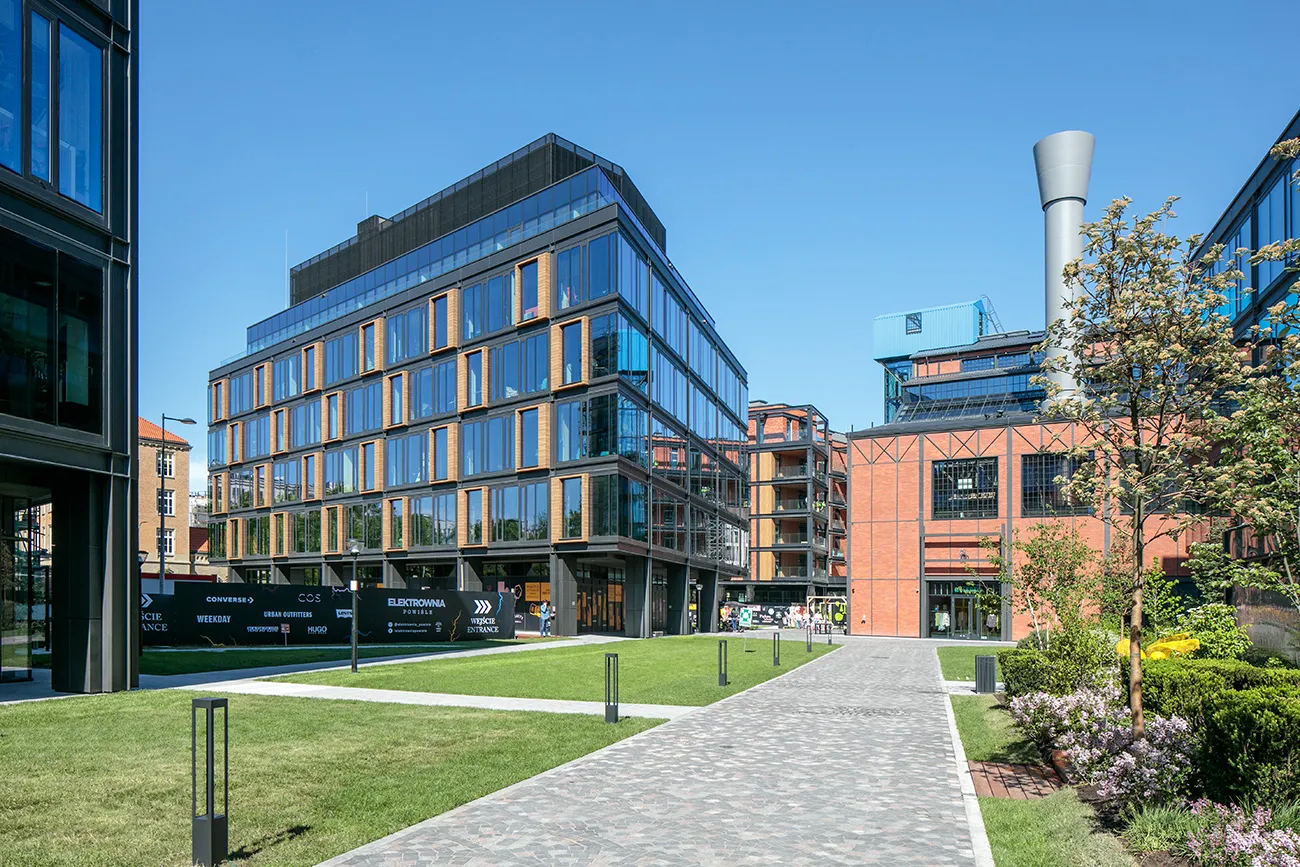
EC Powiśle, Warsaw, Poland. Systems used: MB-70, MB-86, MB-SR50N EFEKT, MB-SR50N HI+.
Let’s build a better future
The pandemic, which began just two years ago, has had a major impact on the way we live, especially in larger cities. The changes have affected every aspect of life and, consequently, how and to what extent available residential, office and commercial spaces are used. Some of the changes developed by the AEC sector will stay with us for years, if not decades, making the revitalisation and adaptation of buildings the biggest trend in modern construction.
Article sponsored by Aluprof

ALUPROF BELGIUM NV
VAT BE: 0631.791.484
VAT BE: 0631.791.484
Zeelsebaan 61, 9200 Dendermonde
Question about this story? Ask your question
Keep following this
Get an email when a new story is published. No account needed.
- ThemeFrom vision to built project
- SubjectExteriors