The beauty of metal
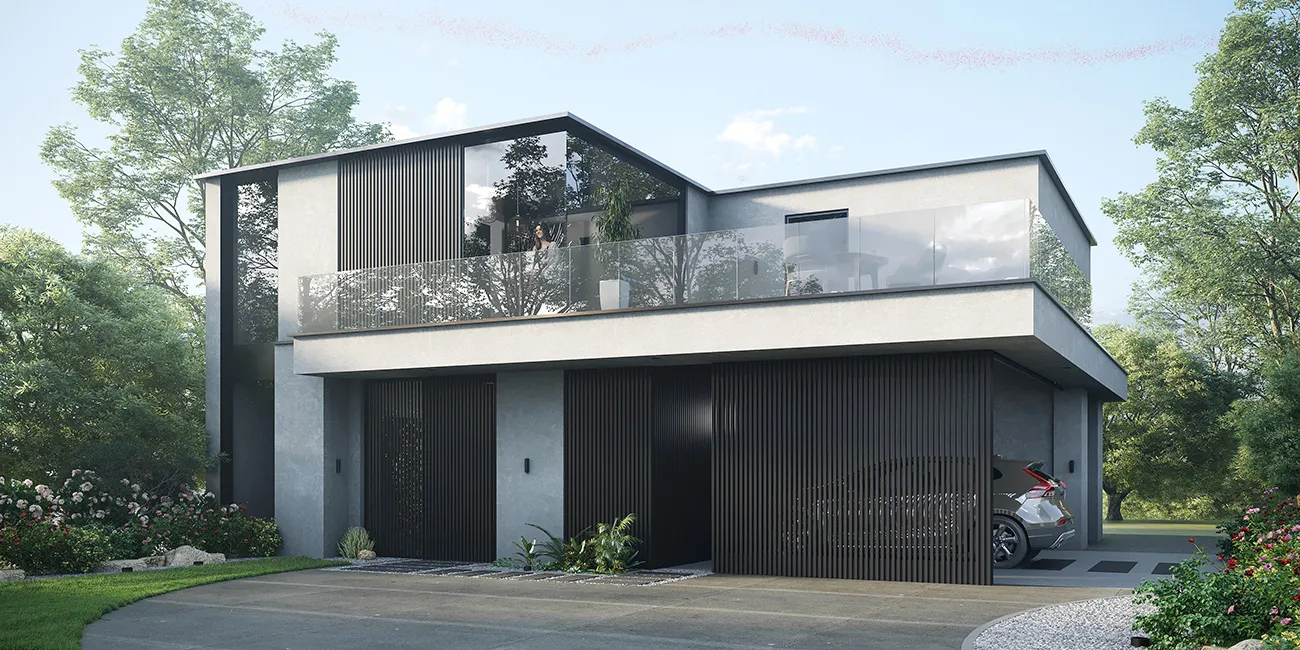
Although facing brick remains a firm favourite in Belgium, there are now many alternatives that compete with, or complement, brick façades. These include various metals, with aluminium leading the way, where the focus is above all on design, durability and ease of maintenance. Steel, too, whether stainless, CorTen or galvanised, is finding its way onto façades that seek to stand out architecturally.
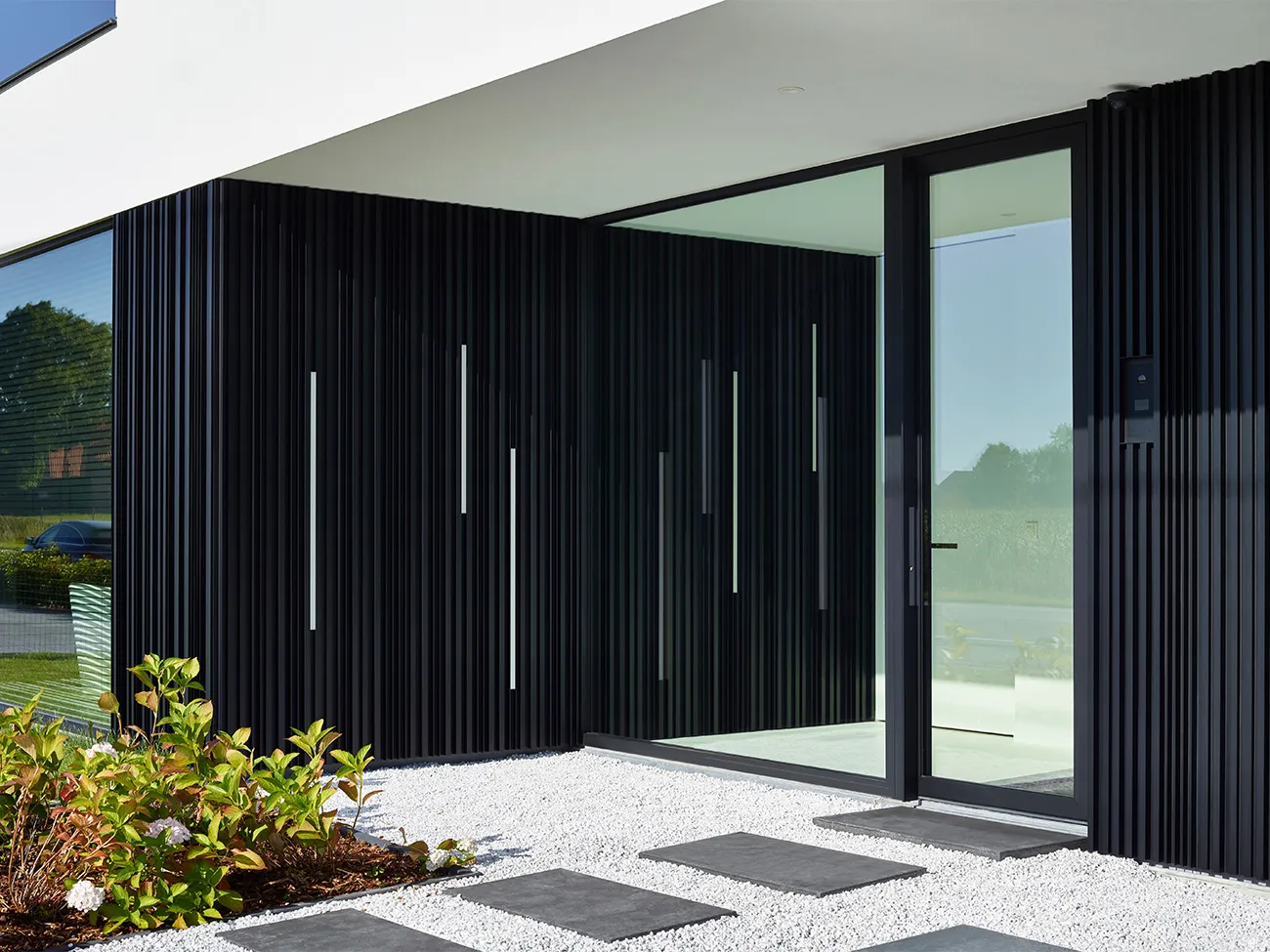
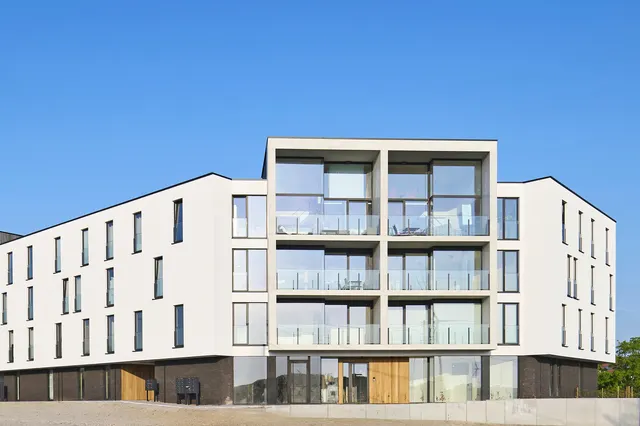
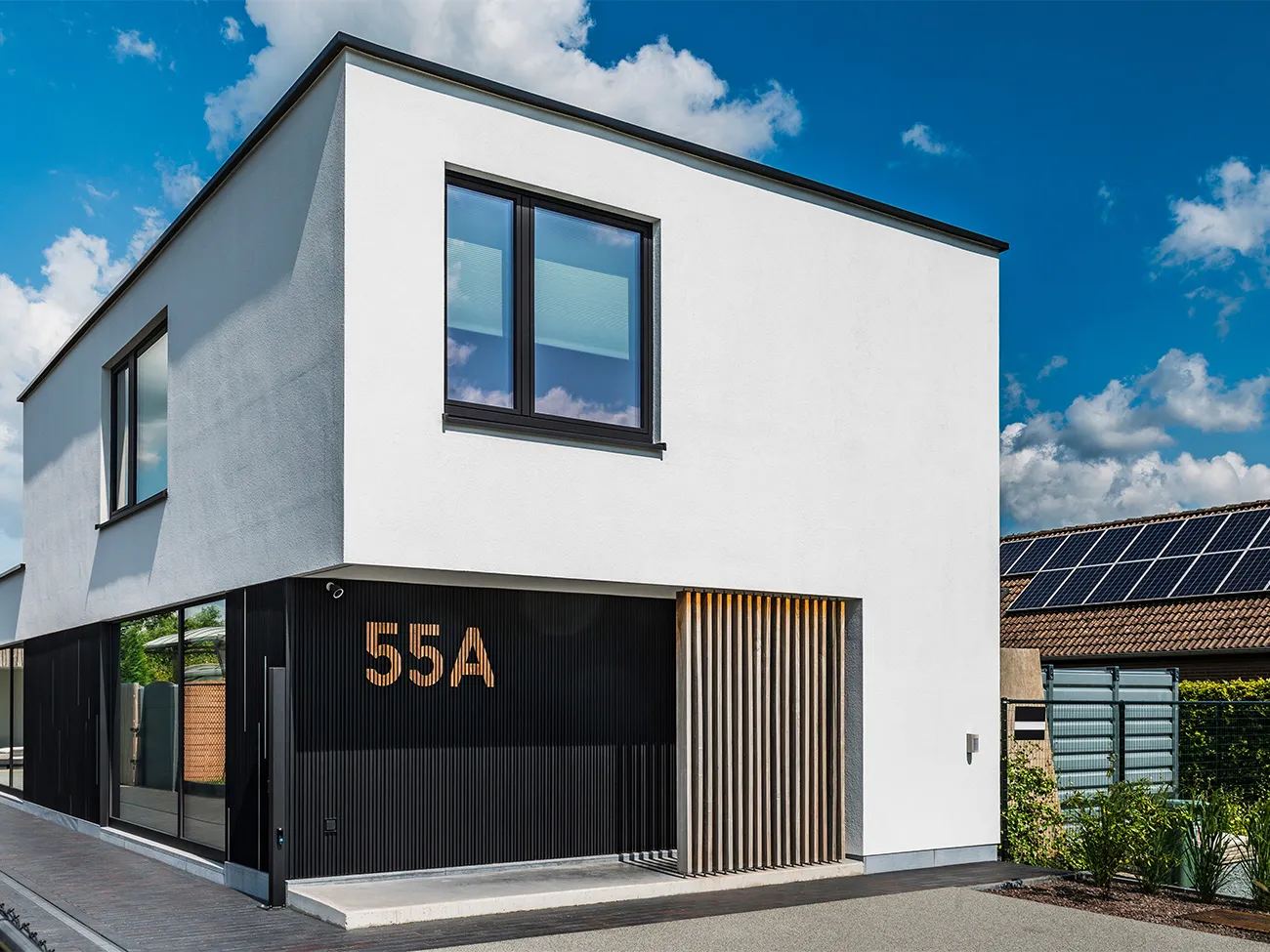
Aluminium is enjoying a real boom as a façade cladding material. It is widely used not only on industrial, commercial and office buildings, but also increasingly on residential buildings, with applications having grown significantly over the past five years. Systems featuring slim horizontal, and especially vertical, profiles are proving particularly popular. Supply is expanding to meet demand. On residential properties, aluminium is often combined with other façade materials, such as brick, timber or render. The advantages of aluminium? There are many.
Light, strong and durable
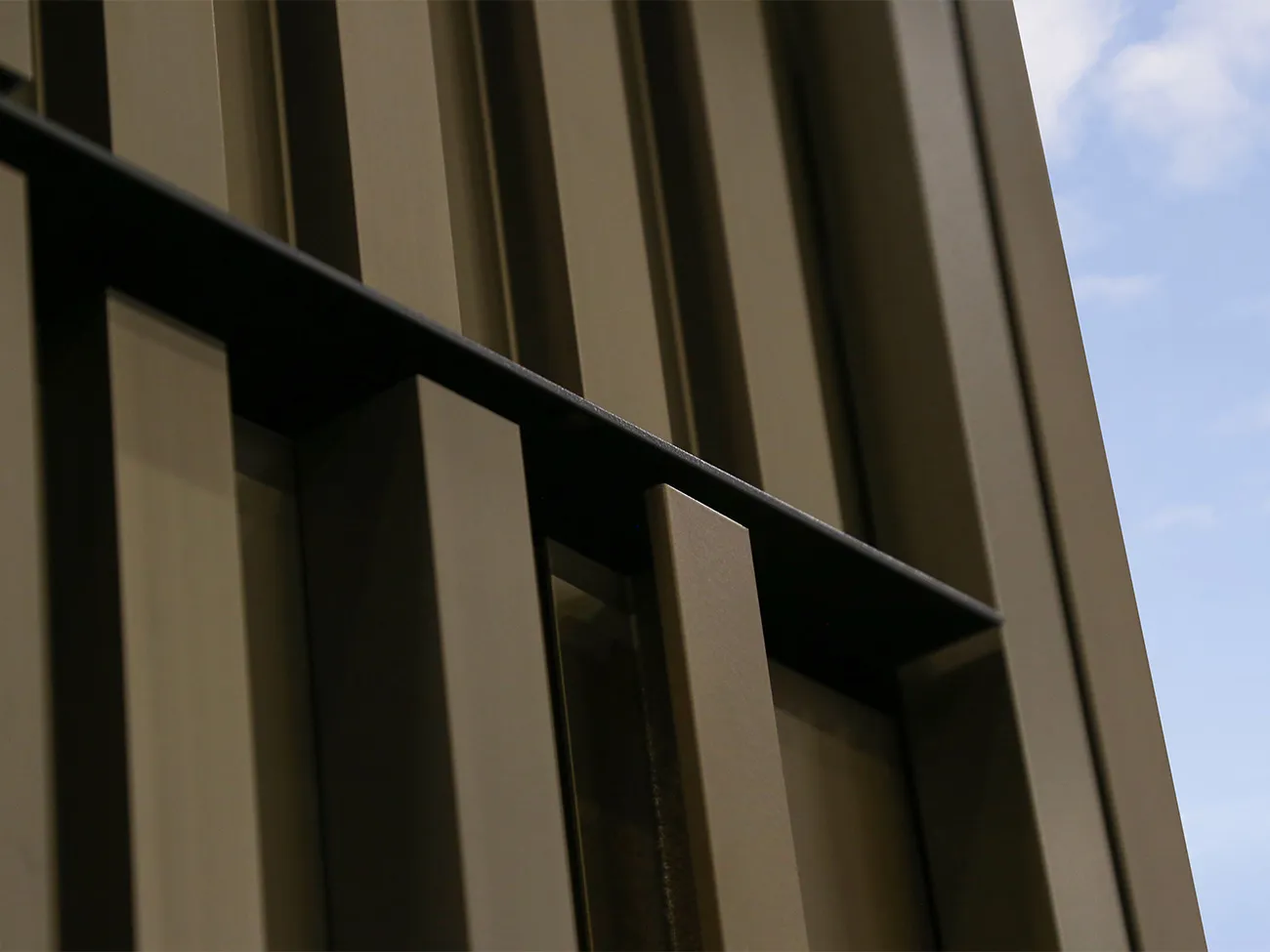
First and foremost, aluminium is a light yet strong material with a wide range of architectural possibilities. As the lightest of façade materials, it is easy to handle and install, while keeping the load on the façade to a minimum. Another advantage is that it can also be used to clad the garage door, allowing it to blend discreetly into the façade, without affecting the motorisation. As well as being lightweight, aluminium is a low-maintenance cladding material designed to last. Sustainability is also becoming increasingly important. Up to 90 per cent of the aluminium used in construction can be recycled. Recycling requires just 5 per cent of the energy needed for primary production, the process of turning bauxite into aluminium. A fact worth noting: aluminium used in construction accounts for around 25 per cent of total demand for the metal. And 75 per cent of all the aluminium ever produced is still in use. There is little doubt that this figure will continue to rise.
It clicks!
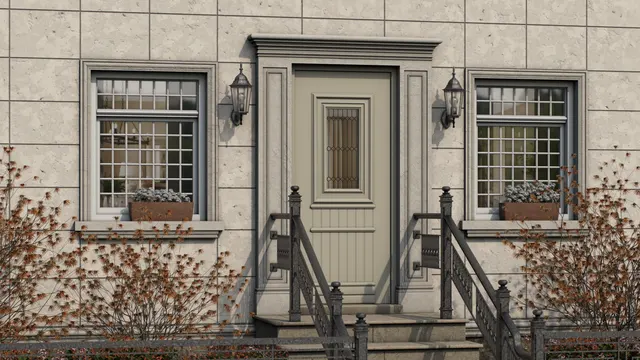
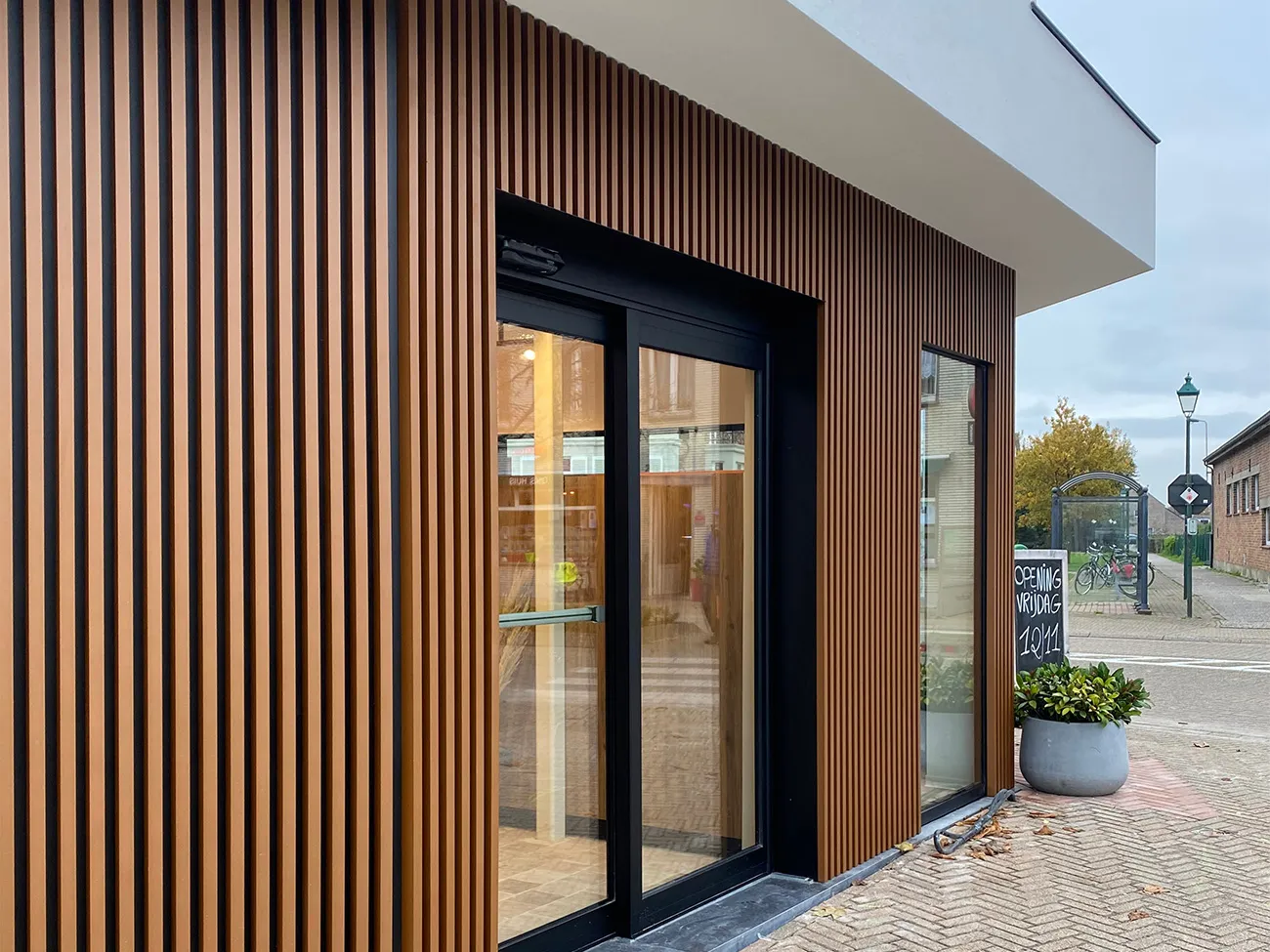
There are, of course, various aluminium façade cladding systems, including for residential buildings. Systems using individual, slim aluminium profiles are particularly popular. These are generally fixed using a click system, although other fixing systems with tongue-and-hook connections are also available. A range of interchangeable, finishing and corner profiles ensures a flawless finish. What are the trends? Emely Feys, Product Manager at Renson: “We are seeing semi-open cladding, originally designed for use in front of a window, being used increasingly in front of glazed doors. Houses are getting smaller, and architects are saving floor space in the hallway. A glazed front door is chosen to bring in light and enhance the sense of space. The aluminium profiles, in the form of a semi-open system, prevent direct views inside.” Various systems also allow all kinds of elements to be integrated neatly, including the letterbox, video intercom, outdoor tap, socket and an integrated door handle that reinforces the architectural whole. Timber inserts and LED lighting allow the design to be personalised further, as do profiles in a range of widths, depths and colours, which can be combined as desired. Personalisation is key.
Anodising versus paint
Aluminium façade cladding offers a wide range of architectural options, colours and finishes.
What are the trends? Andy Coninx, Technical Director at Hegge nv and board member of FAC: “We are seeing growing interest in anodised aluminium. Warm bronze tones are particularly popular.” If you choose an anodised finish, there are a few things to bear in mind. First, colour variations may occur. “The anodising process cannot guarantee an exact, consistent colour. It is more accurate to speak of a colour range. Some architects see this as an added value, while others regard it as a limitation. There are also a number of technical limitations. Anodised aluminium is harder to weld neatly, which places restrictions on shapes, dimensions and fixings.” Peter Lootens of Durv nv and board member of FAC adds: “An important point is that anodised aluminium has a more durable finish, for example in coastal areas, but damage is harder to repair. A budget should therefore be set aside for the necessary protective measures during construction.” Our advice: discuss this clearly with the client to avoid disappointment later. As an alternative, various manufacturers also offer attractive anodised-effect paint colours. Worth considering.
Hot-dip galvanised steel
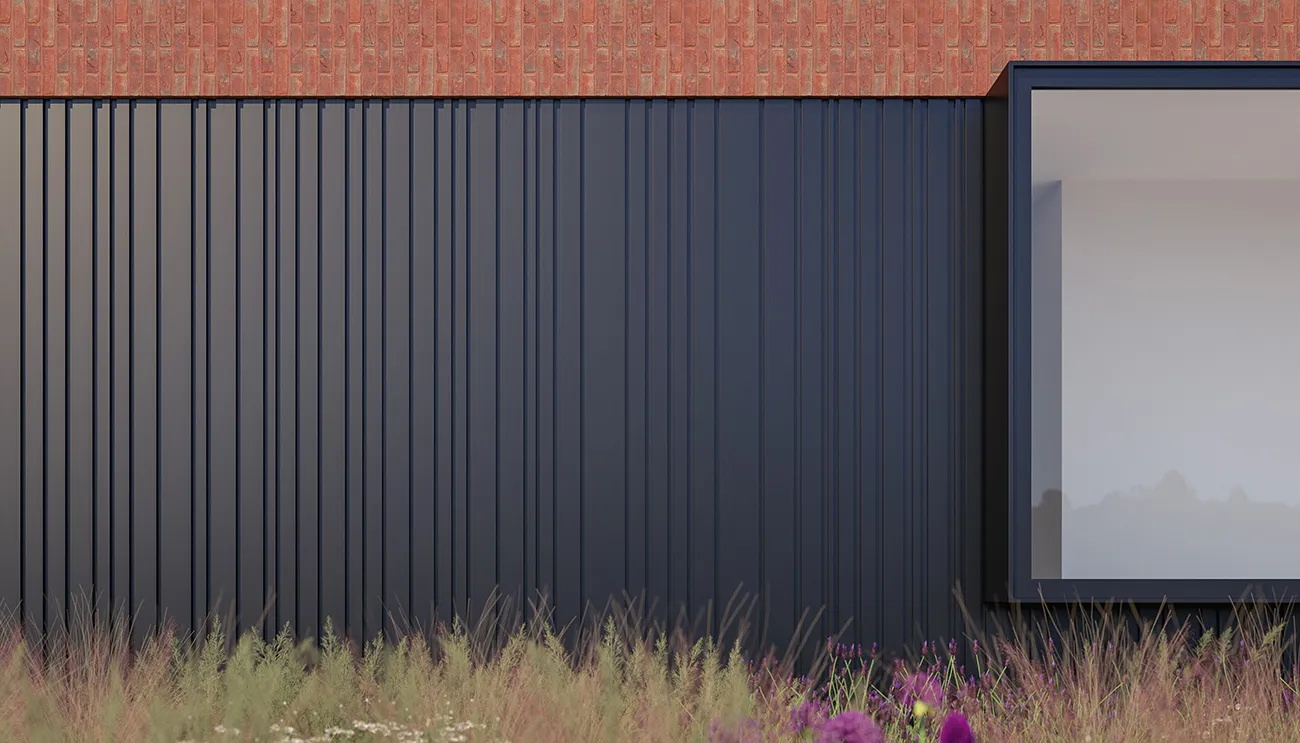
Besides aluminium, other metals are also finding their way onto façades. Do you still associate hot-dip galvanised steel mainly with gutters and downpipes? Think again! This material is perfectly suited to façade cladding, albeit in a different way from conventional materials. Robust and natural, often with an industrial touch. Hot-dip galvanised steel façades stand out not only for their long, maintenance-free service life, but also for their distinctive appearance. Options include not only expanded metal, grilles and perforated sheets, but also flat façade panels.
Architects around the world are increasingly appreciating the unique patterns created by hot-dip galvanising. Over time, exposure to the elements also produces an attractive patina that contributes to the material’s long service life. Bear in mind, however, that hot-dip galvanised steel can sometimes lead to a mismatch between expectations and the final result. Clients may, for example, request a shiny, smooth or, conversely, mottled appearance, as sometimes seen on Sendzimir-galvanised sheet. But this kind of appearance cannot really be ‘ordered’ with discontinuously hot-dip galvanised steel. The steel is immersed in a bath of molten zinc at 450°C. When it is lifted out, drips and hanging marks, stains, residues and zinc build-up may form. Achieving a consistent appearance is therefore difficult. What one person sees as a ‘visual defect’, another may regard as characterful. In short, all the parties involved would be well advised to discuss the project thoroughly in advance.
Question about this story? Ask your question
Keep following this
Get an email when a new story is published. No account needed.
- ThemeBuilding envelopes for a changing climate
- SubjectExteriors