The façade cladding of the future
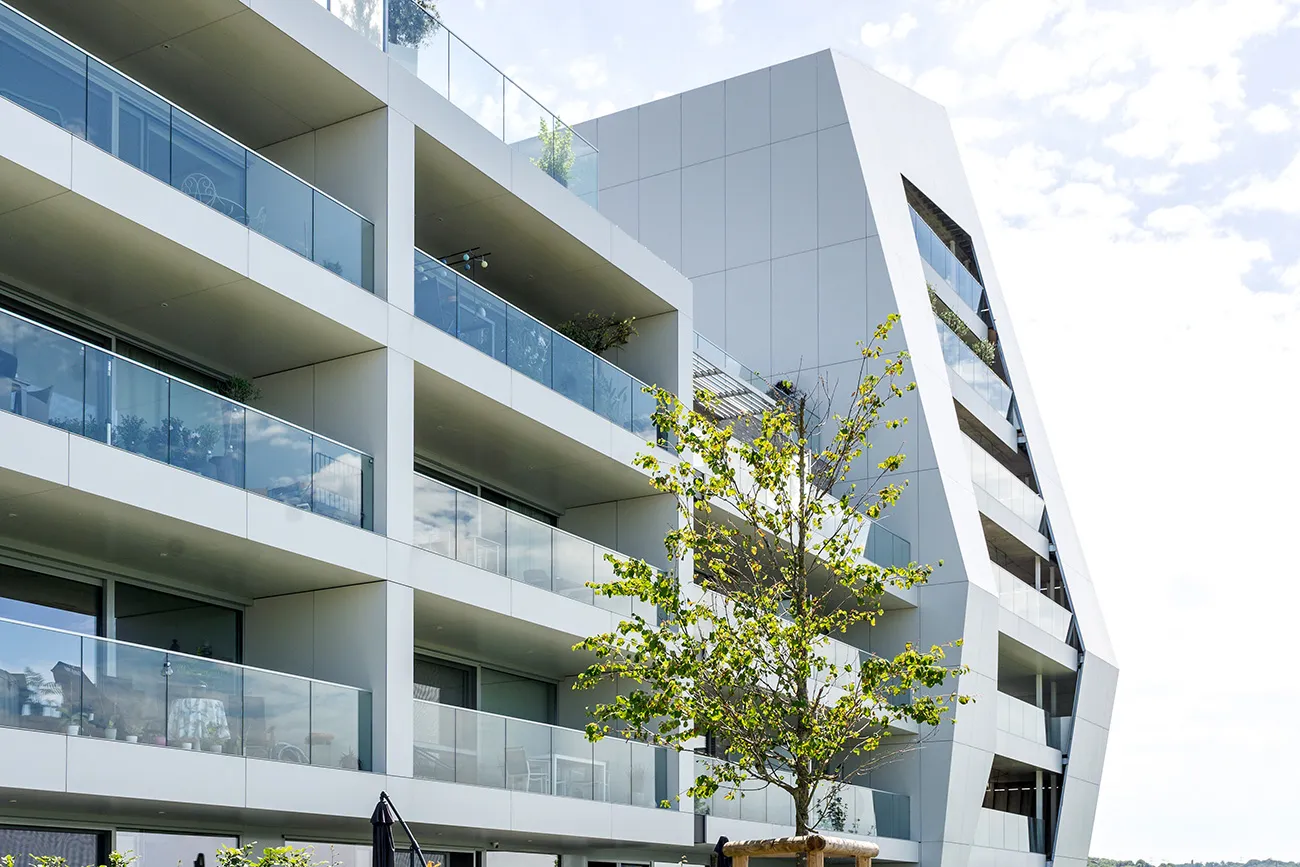
Welcome to Cosentino, a family-owned business that has become a market leader in innovative, high-quality surfaces for the architecture and design sectors in recent years. Through pioneering brands such as Silestone®, Sensa® and Dekton® by Cosentino, design and construction professionals have exciting opportunities to create unique homes and public spaces. In this article, we take a closer look at the advantages of Dekton by Cosentino and its use in a striking façade cladding project.
Cosentino is a household name in the worlds of design and architecture. For almost 80 years, this Spanish family-owned business has specialised in manufacturing and distributing innovative surface materials for architecture and design. Focusing on high-quality recycled hybrid materials, Cosentino offers a wide range of solutions for kitchens, bathrooms, floors and façades. The company, which has its own showroom in Antwerp, is known for its sustainable approach, combining technological progress with environmentally conscious production processes. Cosentino’s brands, including Dekton®, enjoy a strong global reputation for their aesthetics, durability and functional properties.
Strength meets aesthetics
Carbon-neutral Dekton® is one of Cosentino’s flagship products. This ultra-compact stone is ingeniously made from twenty natural minerals. It is the result of years of research, development and innovation. Its exclusive sintering technology (TSP) replicates in a matter of hours what nature takes years to produce. The result? An exceptional, carbon-neutral and durable material that can be used in any architectural project, indoors or out.
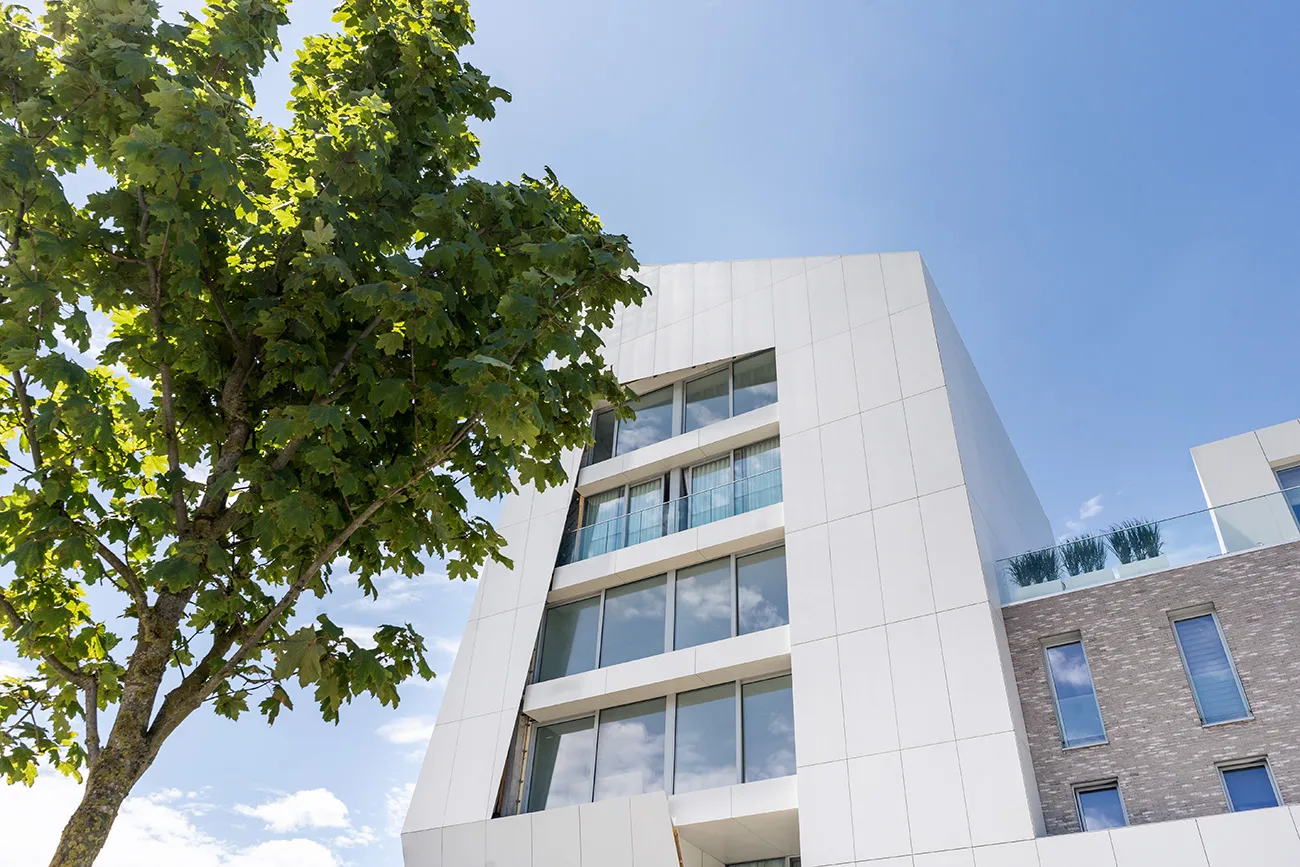
Dekton®’s exclusive press applies a uniform pressure of no less than 25,000 (2.5 times the weight of the Eiffel Tower).
As a result of this ultra-compaction process, Dekton® has no micro-defects that could cause stress or weak points, and its porosity is almost zero.
A wide range of benefits
In addition to these impressive specifications, Dekton® offers many other benefits. It is more resistant to wear than granite and porcelain, making it an ideal solution for façades and floors in busy public spaces. Dekton® also scores highly for scratch and impact resistance, with a rating of 7/10 on the Mohs hardness scale. As the material is virtually non-porous, it is extremely resistant to water and stains, and easy to clean.
High temperatures and fire pose no threat to this material either. Its low coefficient of thermal expansion makes Dekton® ideal for projects exposed to sudden temperature fluctuations. With an A1 certification, you can rest assured.
Dekton® in practice: Meuseview in Visé
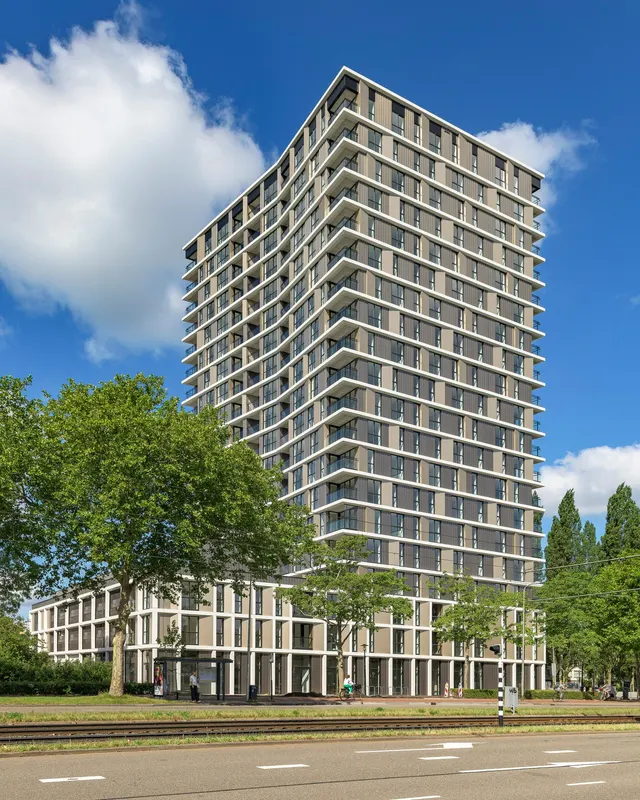
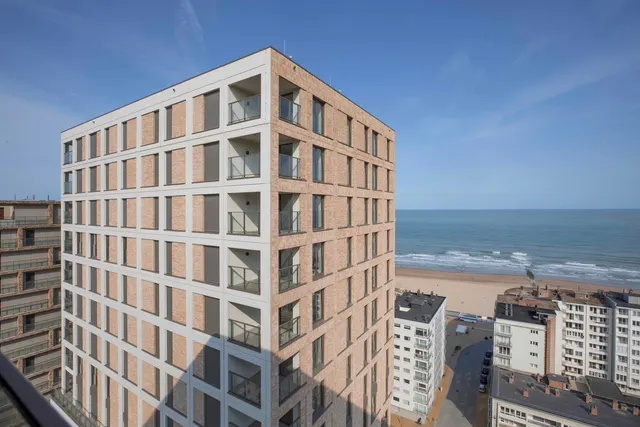
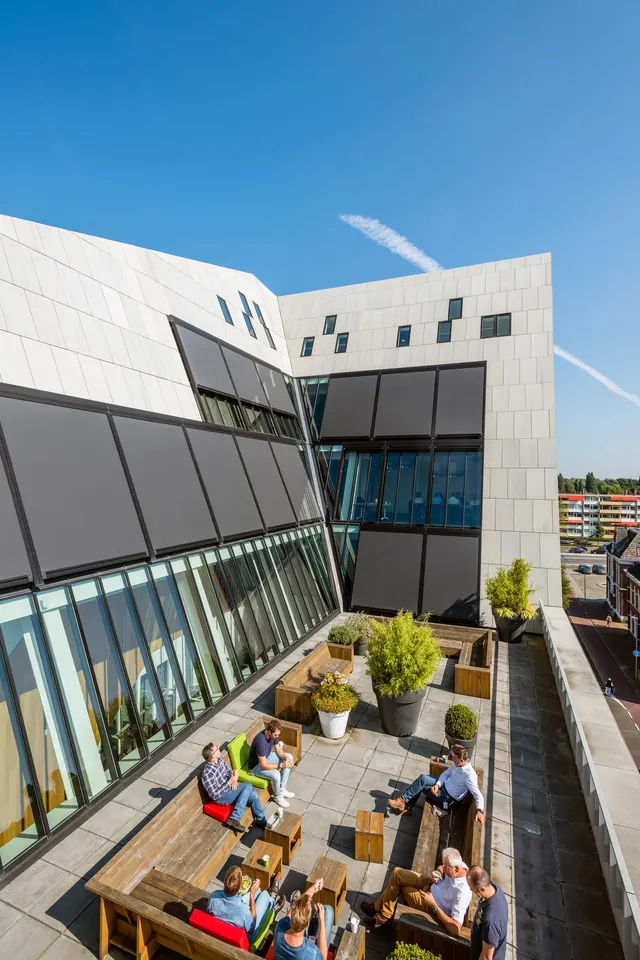
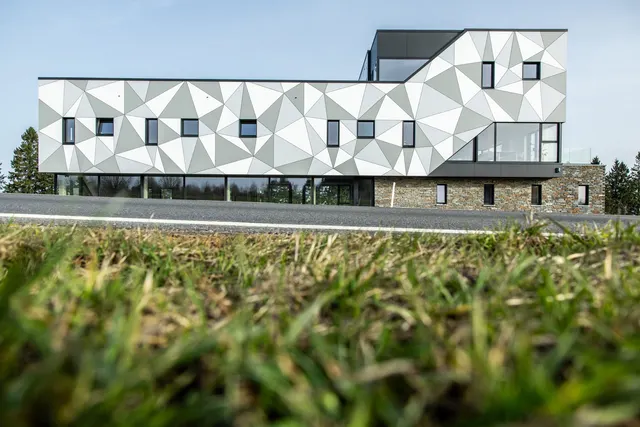
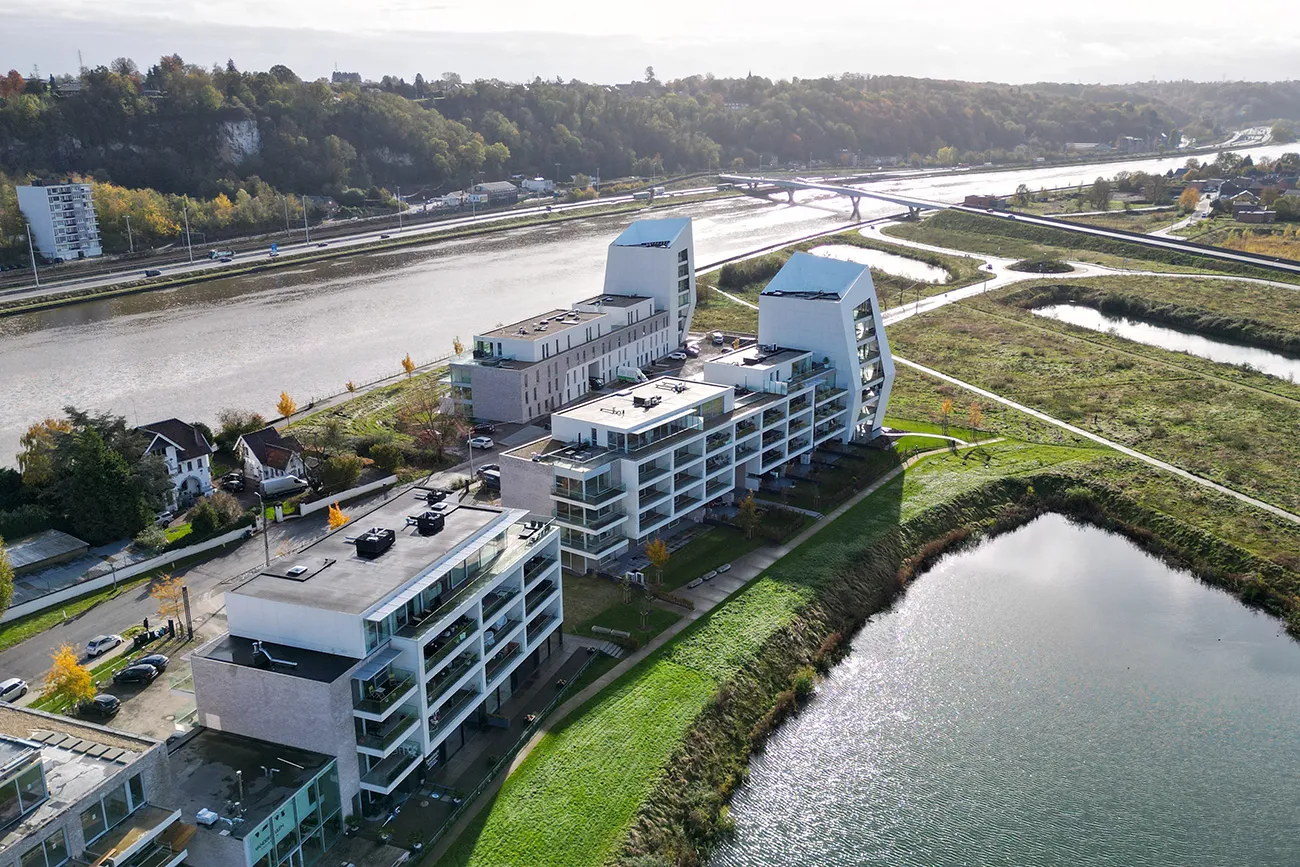
Curious to see these benefits in practice? We head to Hermalle-sous-Argenteau in Wallonia, where architect Luc Spits deliberately chose Dekton® as the façade cladding for the new MeuseView apartment complex. Following its launch in 2013, Dekton® was mainly used for heat-resistant kitchen worktops. Today, the material is also making inroads as ventilated façade cladding. “The basic idea for the MeuseView project was to create a sense of dynamism in relation to the nearby port of Trilogiport,” says Luc. “The two buildings are located directly opposite this international inland port. This resulted in a design featuring dynamic, sloping forms.” Karl Syben, project manager at Syben Natuursteen, adds: “The challenge here was to find a suitable façade cladding product that would also make those sloping forms feasible to build. Dekton® proved to be the perfect material.”
The façade cladding of the future
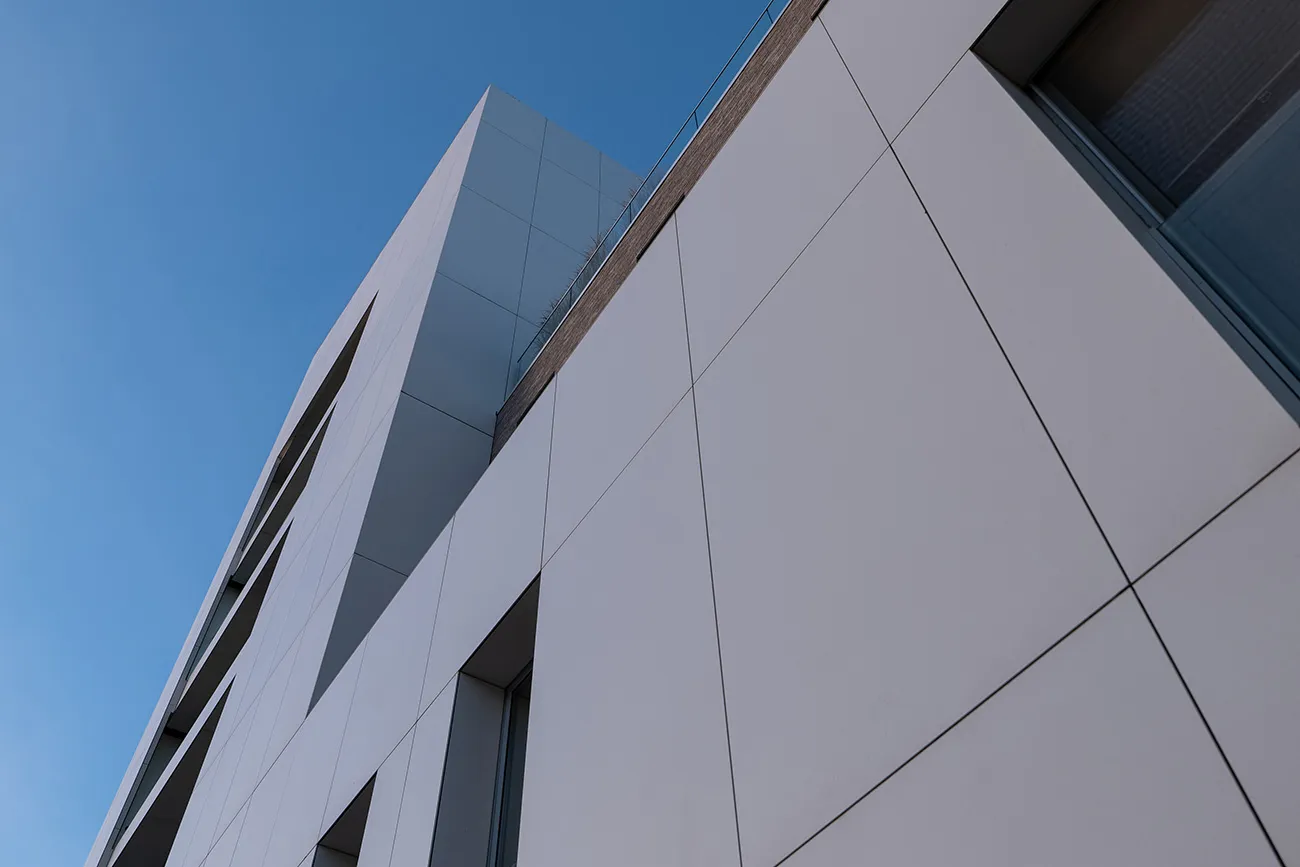
According to the architect, this project would have been impossible without IT and BIM. “All these modern tools enable us not only to create such a unique design, but also to work together on the basis of the plans to find the right solutions and place the right orders,” Luc continues. Renaud Dauby, Architect and Design Sales Manager at Cosentino, says: “Dekton® is ideally suited to these kinds of unique applications, with dynamic shapes and sloping surfaces in light shades and large formats. The material is frost-resistant and retains its appearance for years. There is no risk of yellowing from UV rays. It is also exceptionally dimensionally stable and non-porous. This means there is very little risk of mould forming or dirt adhering to the surface. And even if this does happen, the rain will wash much of it away. In short, Dekton® is the façade cladding of the future.”
Question about this story? Ask your question
In this story
- Project:Meuseview
- Location:Hermalle-sous-Argenteau
- Architect:Luc Spits
Keep following this
Get an email when a new story is published. No account needed.
- ThemeBuilding envelopes for a changing climate
- SubjectRoofing & facades