Alinel launches new type of profiled façade cladding
Text Trees AccouImage Alinel
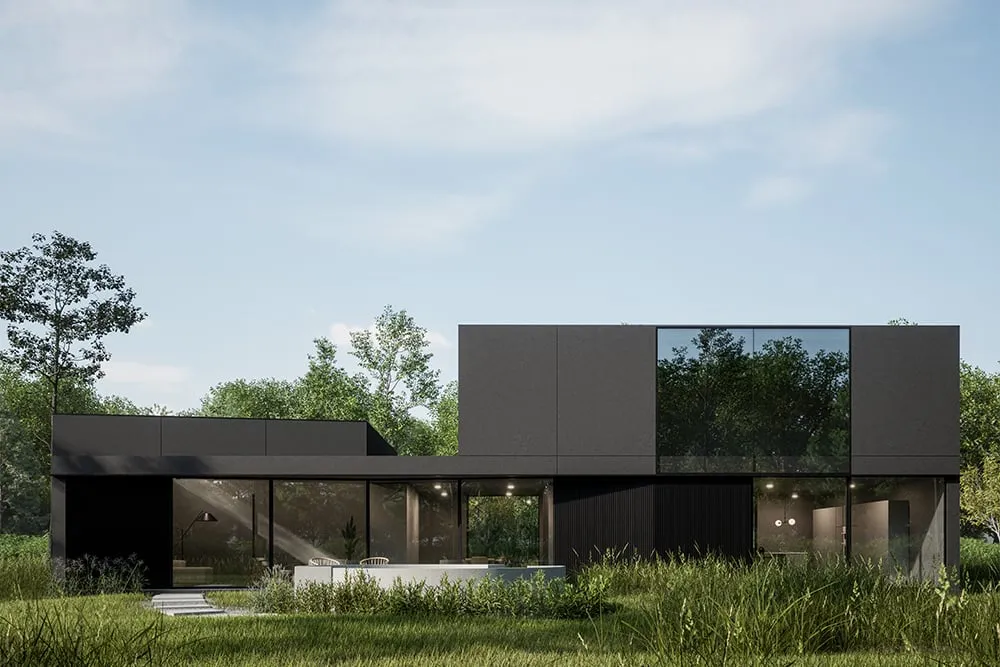
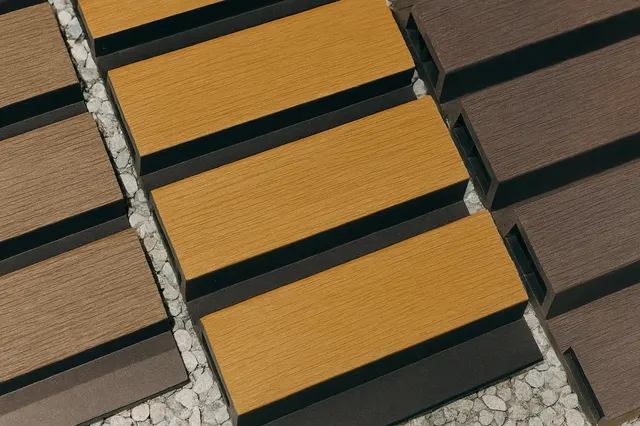
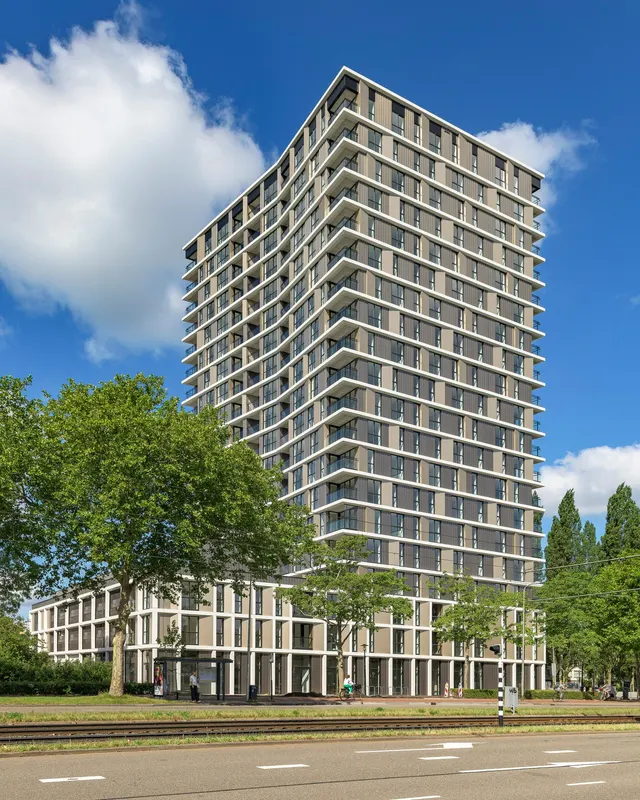
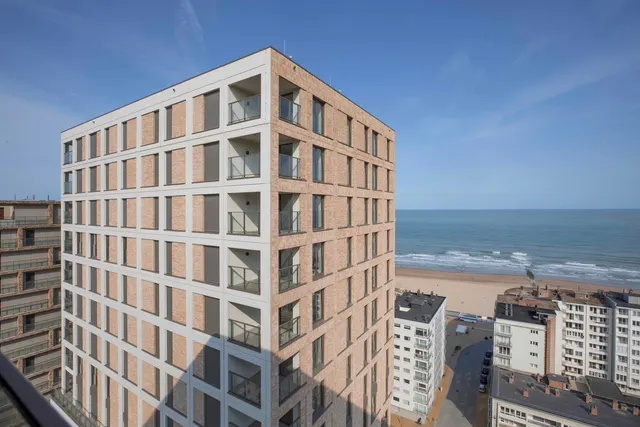
Looking to give a house, mid-rise or high-rise building its own character in a sustainable, low-maintenance way? The vertically profiled façade cladding from Belgian company Alinel is ideal for eye-catching accent architecture. At Polyclose, the company launched its Type F, with a lower environmental footprint and the premium look we have come to expect from Alinel.
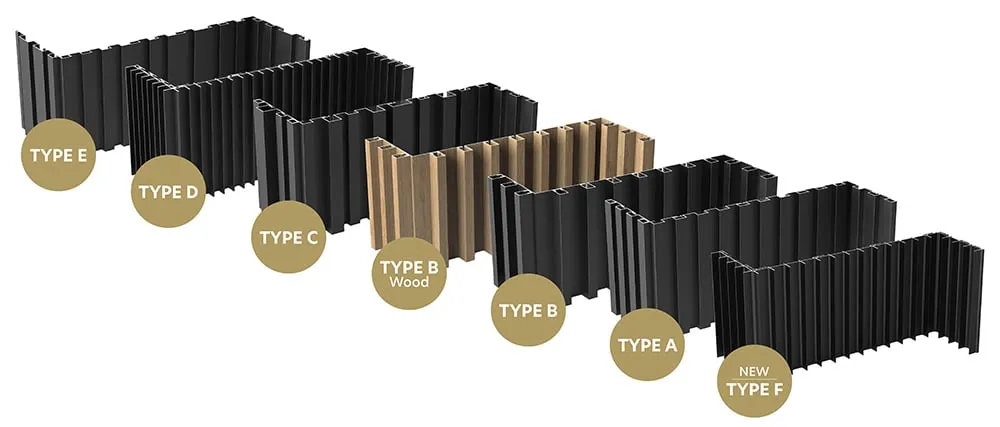
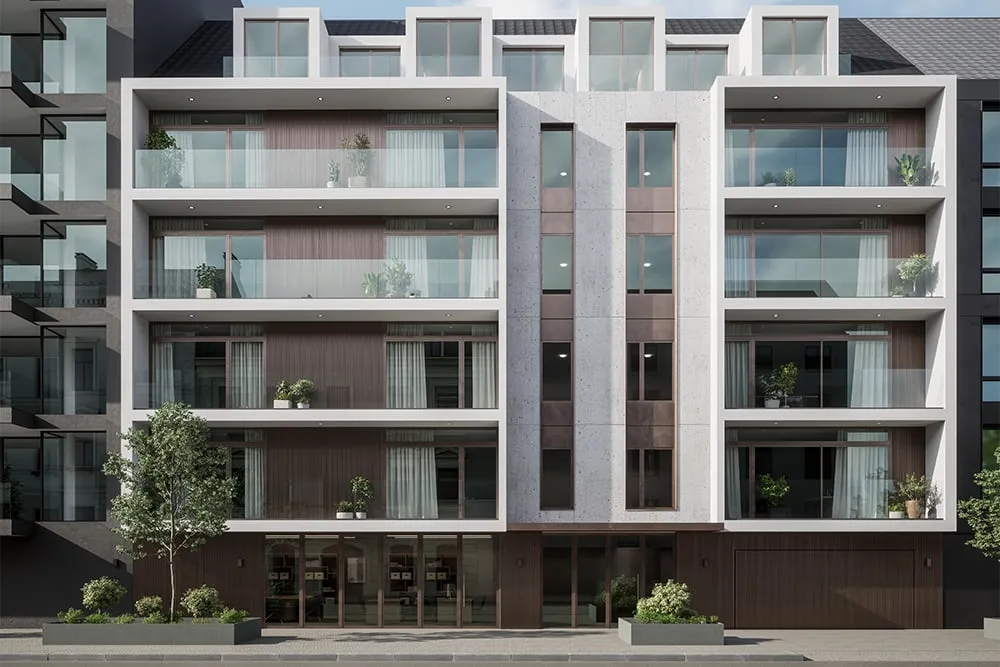
When you think of profiled aluminium façade cladding, you think of Alinel. The pioneer from Aalter launched its Type A in 2014. Since then, six more types have followed, each contributing to a building’s appearance in its own way. What they have in common is quick, seamless installation on a horizontal aluminium or timber support structure. Types A to E are fixed in place using the patented tongue-and-hook system. For Type F, Alinel has introduced a new patented installation system, the tilt-and-hook system. Whether on a contemporary rendered house or a traditional brick home, Alinel façade systems make an interesting feature. “At Alinel, we see our aluminium façade cladding as an accent that allows the architect to add a touch of individuality to their design,” says marketing manager Jan Beernaert. “We prefer a modest but balanced area of Alinel to a large surface that lacks cohesion with the rest of the building. Although this may not sound very commercial, it perfectly reflects what Alinel stands for, with a focus on functionality.”
Standardised bespoke solutions
As each type consists of a series of profiles assembled into a seamless whole, Alinel describes its products as standardised bespoke solutions. Beernaert explains: “Based on measurements supplied by our customers, our draughtspeople create assembly drawings for each façade section. We supply all the profiles cut to size and powder-coated as a kit, so the installer can get straight to work with the drawing and our Alinel profiles. There is no need to cut anything on site. You could compare it to a ‘Meccano’ kit. Various accessories can also be integrated into every type of façade cladding, such as a power socket, letterbox, outdoor tap, cat flap or electric vehicle charger. This creates a seamless finish for your façade cladding. The different types give architects a broad palette to work with, especially when you consider that the cladding can be powder-coated in any RAL colour.”
Elegant and resource-efficient
Last January, Alinel presented its latest type at Polyclose. Beernaert explains: “Type F exudes elegance. The aluminium comb profiles are spaced slightly further apart than those of Type D, with a gap of 45 millimetres and a depth of 25 millimetres. This means we use less aluminium and reduce the coated surface area. Type F has the same premium look as all the other types. The refined comb design is now also available at entry level, in the same price range as Types A and E.
Aesthetic and functional
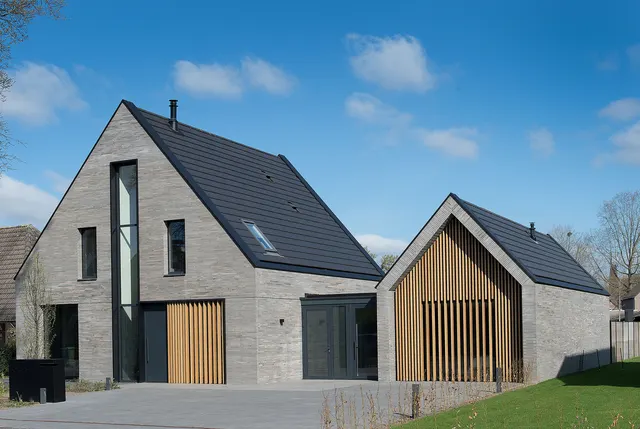
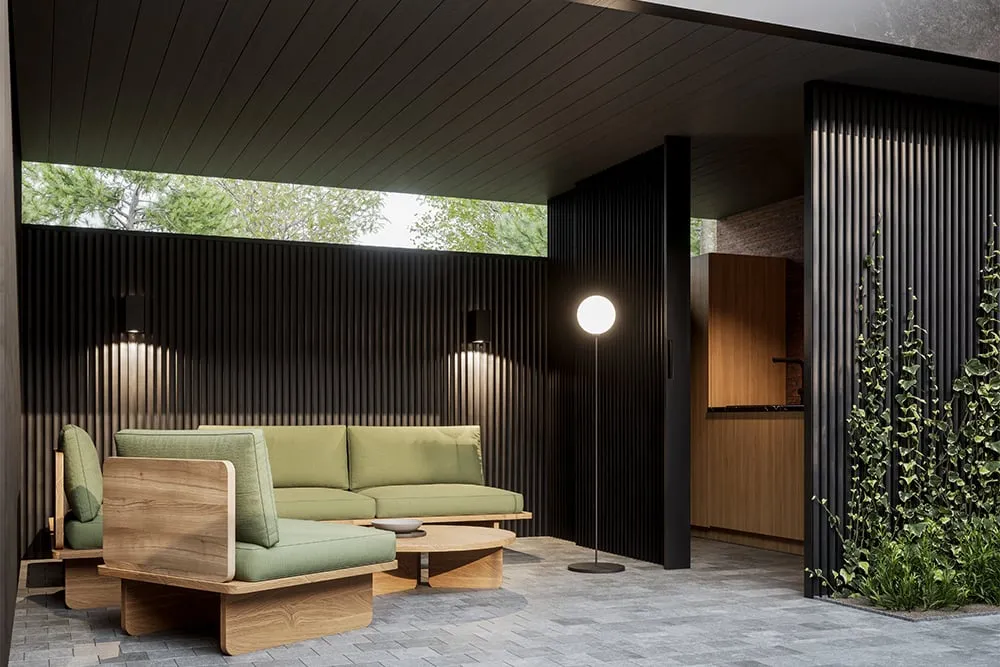
Design & Function is Alinel’s baseline. The profiles can be combined in different ways and used on façades, fences and gates. Alinel offers a wide range of design possibilities, making it easy to adapt the products to the architect’s aesthetic requirements. The façade cladding is functional too, as doors, windows, garage doors and accessories can be integrated into the overall design.
The low maintenance requirements of aluminium façade systems are another functional benefit for residents. Thanks to the vertical profiles, water runs straight off the façade. Beernaert explains: “While wood or horizontal profiles hold water and can lead to moss growth, vertical profiles can simply be rinsed with a garden hose.”
Question about this story? Ask your question
Keep following this
Get an email when a new story is published. No account needed.
- ThemeBuilding envelopes for a changing climate
- SubjectRoofing & facades