A low footprint for sustainable architectural zinc
Text Luc OphalsImage RHEINZINK
Halving the CO2 footprint
For more than fifty years, RHEINZINK, the German specialist and global leader in architectural zinc, has designed and manufactured products that are 100% recyclable and exceptionally durable. The company is firmly committed to the environment, and its products have therefore built up an excellent environmental profile over the years. A new milestone was reached a few months ago with the launch of the new prePATINA range, named prePATINA ECO ZINC. One notable feature of the product is that it cuts its CO2 footprint by 50%. This makes the company’s architectural zinc the most sustainable and environmentally friendly in the world.
The construction sector cannot ignore the challenge: it must be climate-neutral by 2050. This will require more research, more sustainable solutions and a radical reduction in the CO2 footprint, with the ultimate goal of maximising the sustainability of the materials used. This is, in fact, a programme that has been entirely in line with RHEINZINK’s principles for decades. The company is the global leader in architectural zinc.
Low-emission production
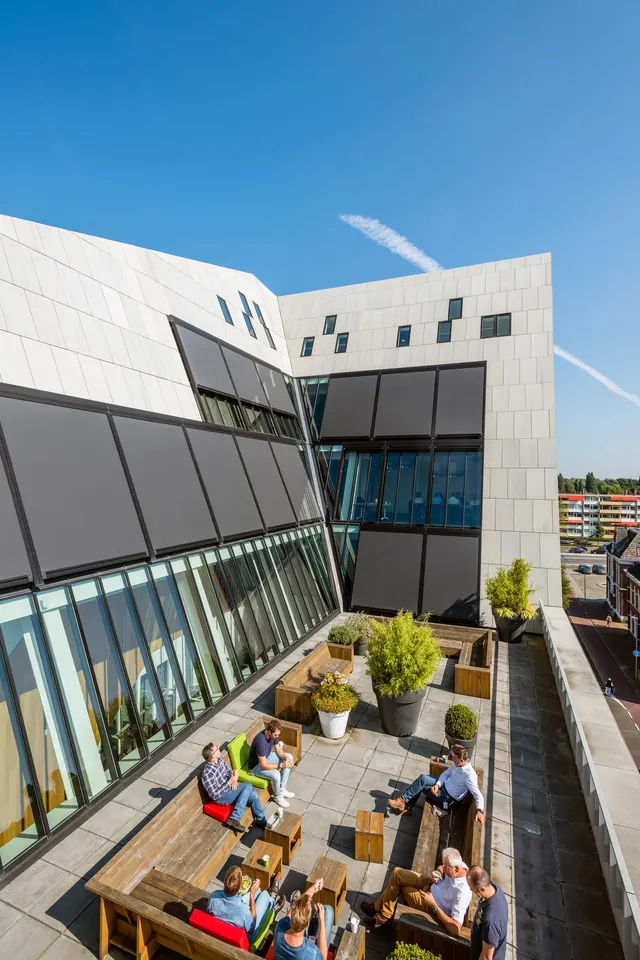
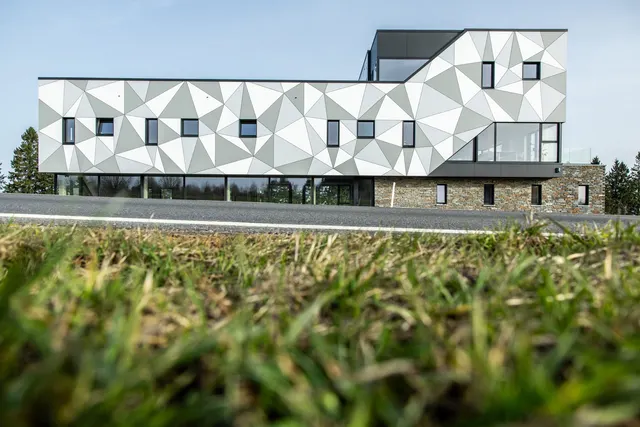
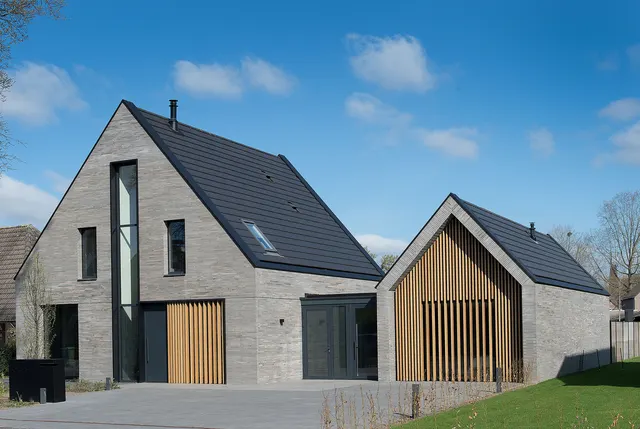
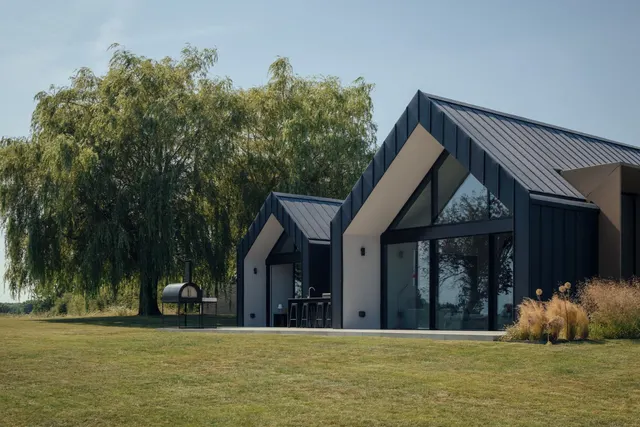
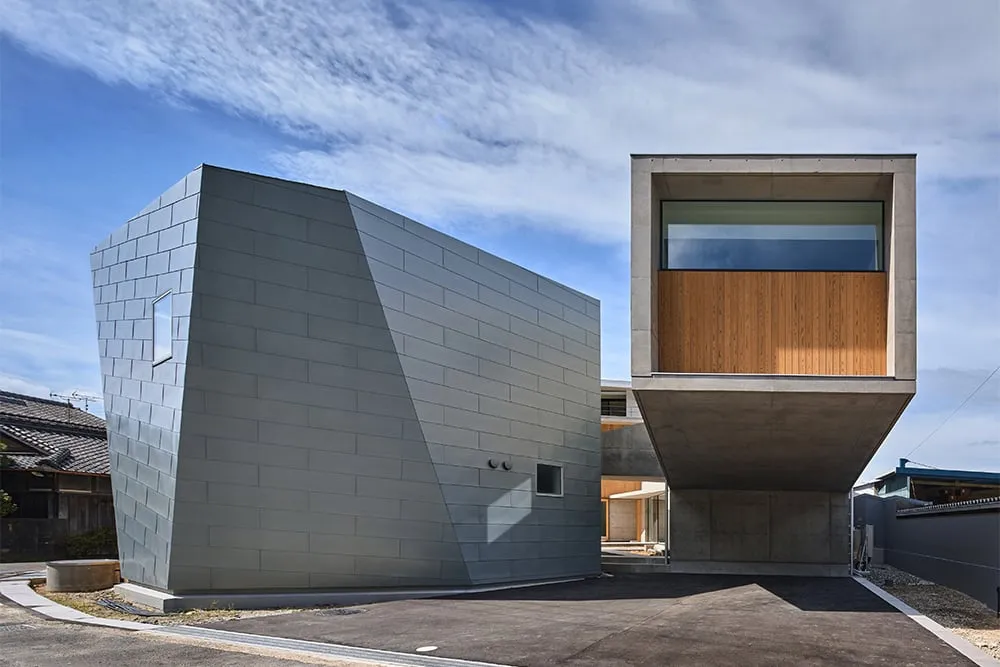
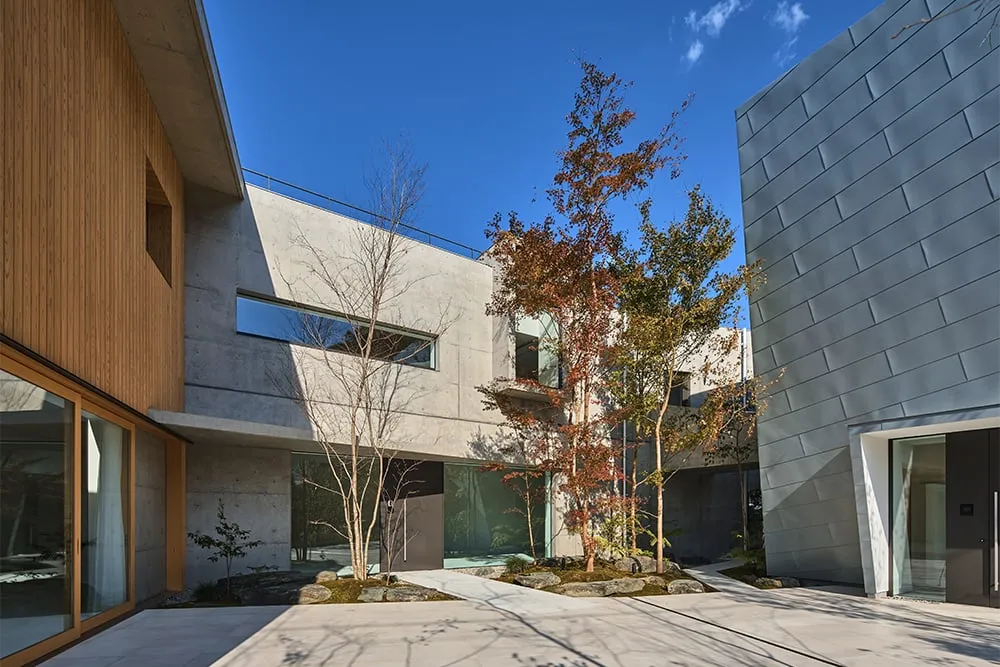
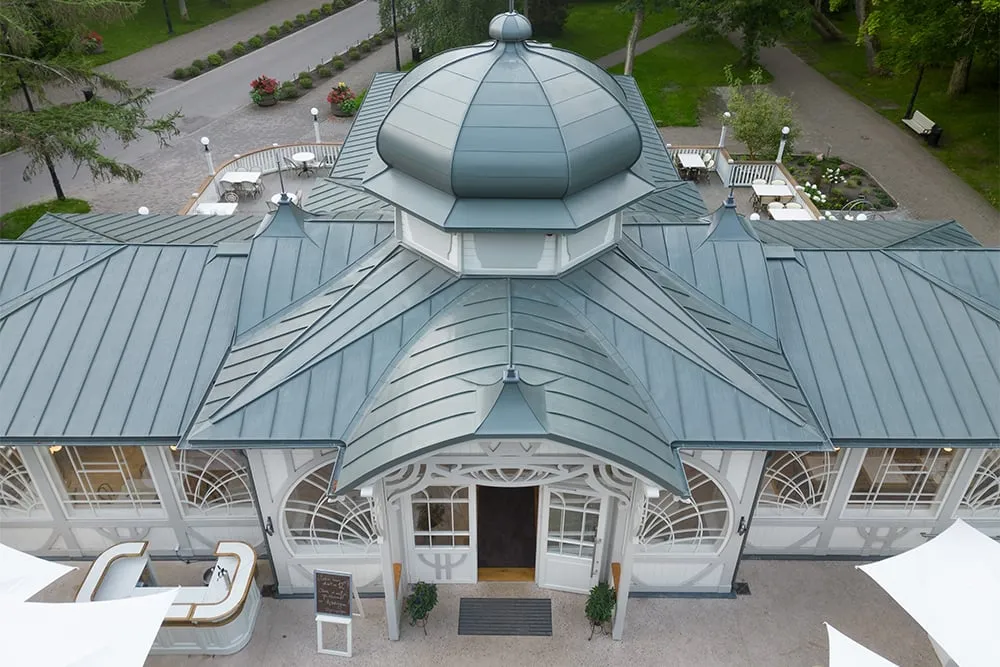
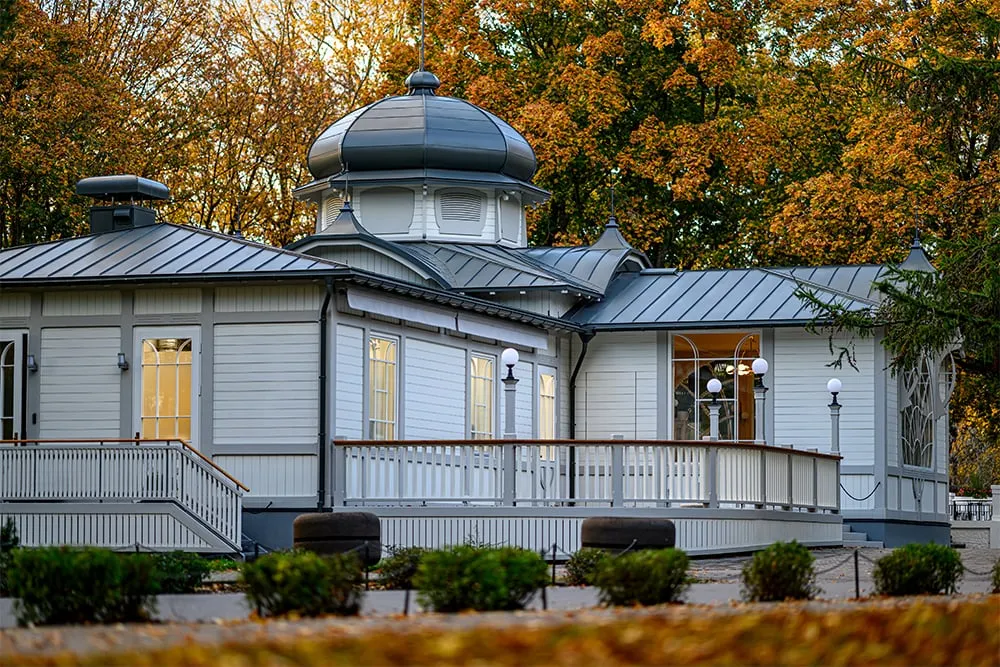
With its continually improved titanium-zinc ranges, the company offers the ideal material for sustainable architecture. Its products are available in CLASSIC, GRANUM, PRISMO and prePATINA variants. Another fact worth noting: prePATINA has a CO2 footprint of just 3.99 kilograms per kilogram of zinc, compared with a footprint of no less than 6.85 kilograms per kilogram of aluminium.
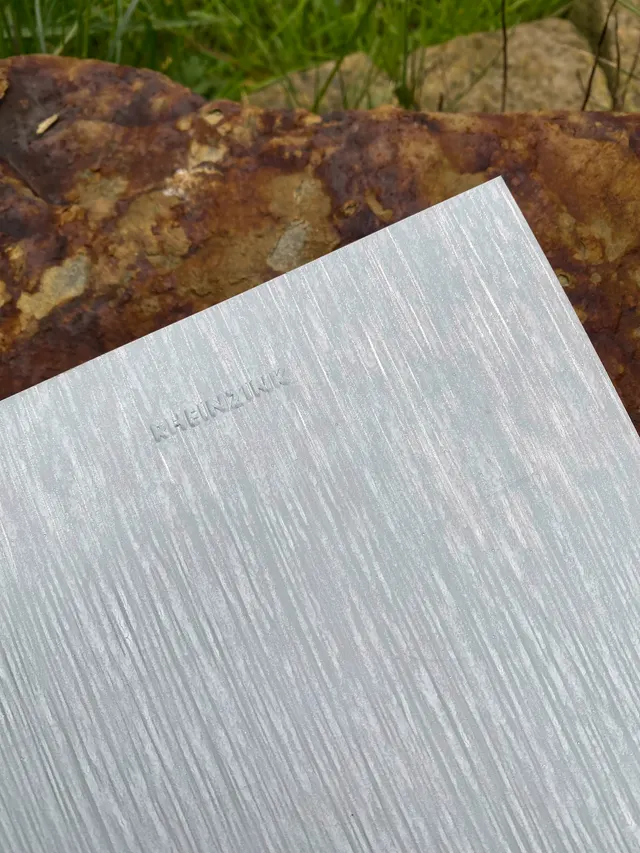
True to its motto, ‘Always better’, RHEINZINK has recently taken a striking and exemplary step by halving its CO2 footprint once again: the brand-new prePATINA ECO ZINC range is now limited to 1.85 kilograms of CO2 per kilogram of zinc. Fabrice Michaux, Regional Sales Director for Belgium & Luxembourg, confirms: “We are the only manufacturer in the world to use zinc with 50% less carbon. Like the previous range, our new prePATINA ECO ZINC range has a natural patina produced at the factory: to achieve this result, we pass the zinc through an acid bath. It is available as prePATINA in a light shade (Blue-Grey) or a slate shade (Graphite-Grey). In the first version, the zinc-titanium-copper alloy is coated with a transparent anti-fingerprint layer that protects the material when it is installed with bare hands. The second version gets its slate colour from a higher copper content, while remaining below the 1% limit set by the EN988 standard. If the surface is damaged, the zinc heals itself and the natural patina is restored.”
Proven environmental benefits
The titanium, copper and zinc alloy produced by RHEINZINK stands out for its exceptional service life and complete recyclability, backed by quality assurance from renowned organisations. The alloy has also carried the Cradle-to-Cradle label since 2009. After use, RHEINZINK titanium-zinc can be recovered and easily sorted, then reused again and again without any loss of quality.
RHEINZINK’s commitment to the environment is reflected throughout the product life cycle. Fabrice Michaux explains: “Zinc extraction is an energy-intensive process. Our Scandinavian supplier of fine zinc, 90% of which we use in our prePATINA ECO ZINC range, uses no fossil fuels, only renewable energy, mainly hydropower. At the end of the production process, an external audit confirmed that the total CO2 footprint had indeed fallen by 50%. RHEINZINK is part of the Grillo Group, which collects and recycles old zinc, among other things. In addition, all our waste is sent to a foundry for reuse.”
Fabrice Michaux adds: “We are not content simply to increase the proportion of recyclable material in our products as much as possible. We also aim to promote the most environmentally friendly applications. For example, we replace lead, a highly polluting material, with malleable zinc. This is used to connect chimneys, dormers and walls to the roof covering. It is a 100% environmentally friendly product that is easier to work with.”
Question about this story? Ask your question
Keep following this
Get an email when a new story is published. No account needed.
- SubjectRoofing & facades