New BIM tool for solar shading
Text Eva GoossensImage Verozo
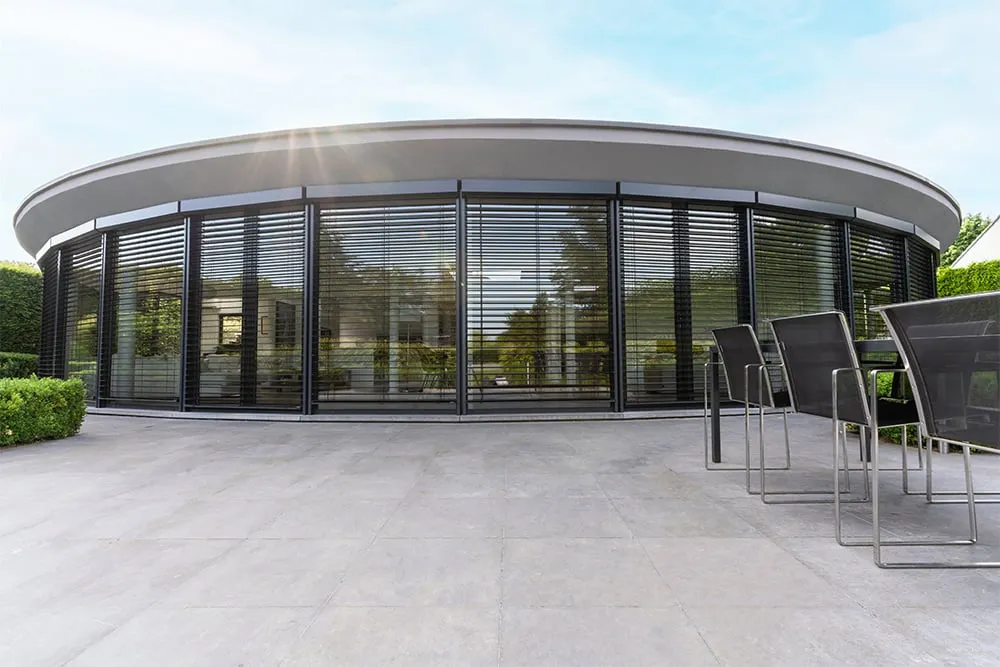
Avoiding overheating in the home starts with effective solar shading. This is still often overlooked. Many homes are still designed to retain heat in winter, but not to keep it out in summer. Verozo, the Belgian federation of solar shading manufacturers, has developed a BIM tool that enables architects to plan solar shading into a building from the very earliest design stage.
Too few heat-resilient homes are still being built and renovated to address climate change. Summers are getting hotter and heatwaves are becoming more frequent, while glazed surfaces are also becoming more prominent in architecture. Effective solar shading is preferable to relying solely on active cooling.
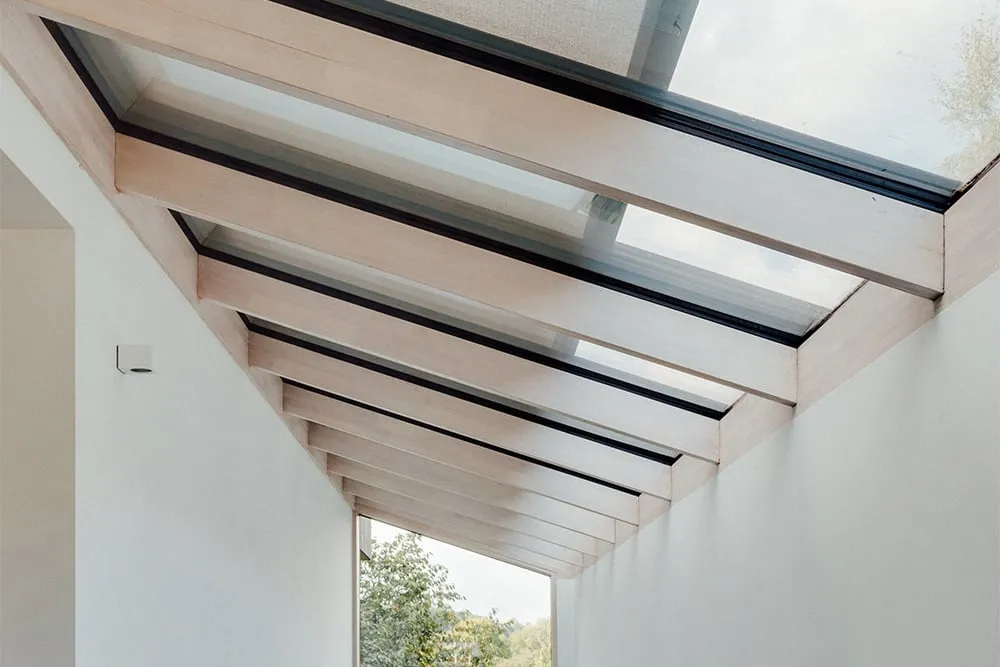
Solutions for every situation
“Solar shading is the most energy-efficient way to protect a building against excessive heat.” So says Ann Van Eycken, secretary-general of Verozo and the umbrella organisation European Solar Shading Organisation (ES-SO). Verozo aims to help provide solutions for the digital construction sector and has now developed a BIM tool that makes it easy for architects to integrate solar shading into their new-build or renovation projects. The aim is to find the right solution for every situation. The BIM tool helps achieve this with generic Revit models for eleven different types of solar shading. These allow users to create façades in Revit and see how specific types can be integrated. Ann Van Eycken explains: “With an overview of the solar shading data available for a specific project and a range of video tutorials on which type of solar shading to integrate into the façade, architects can now include solar shading from the early design stage.” The materials library offers various colour options for effective solar shading applications, such as louvres or transparent fabrics, with their corresponding total solar energy transmittance factor (gtot), based on the combination of solar shading and double glazing with a U-value of 1.1. Users can also find links to specific BIM objects from Verozo members, ready to use in their own BIM projects. All this is now available on the Verozo website.
Question about this story? Ask your question
Keep following this
Get an email when a new story is published. No account needed.
- ThemeBuilding envelopes for a changing climate
- SubjectOutdoor living