Green roofs and roof gardens
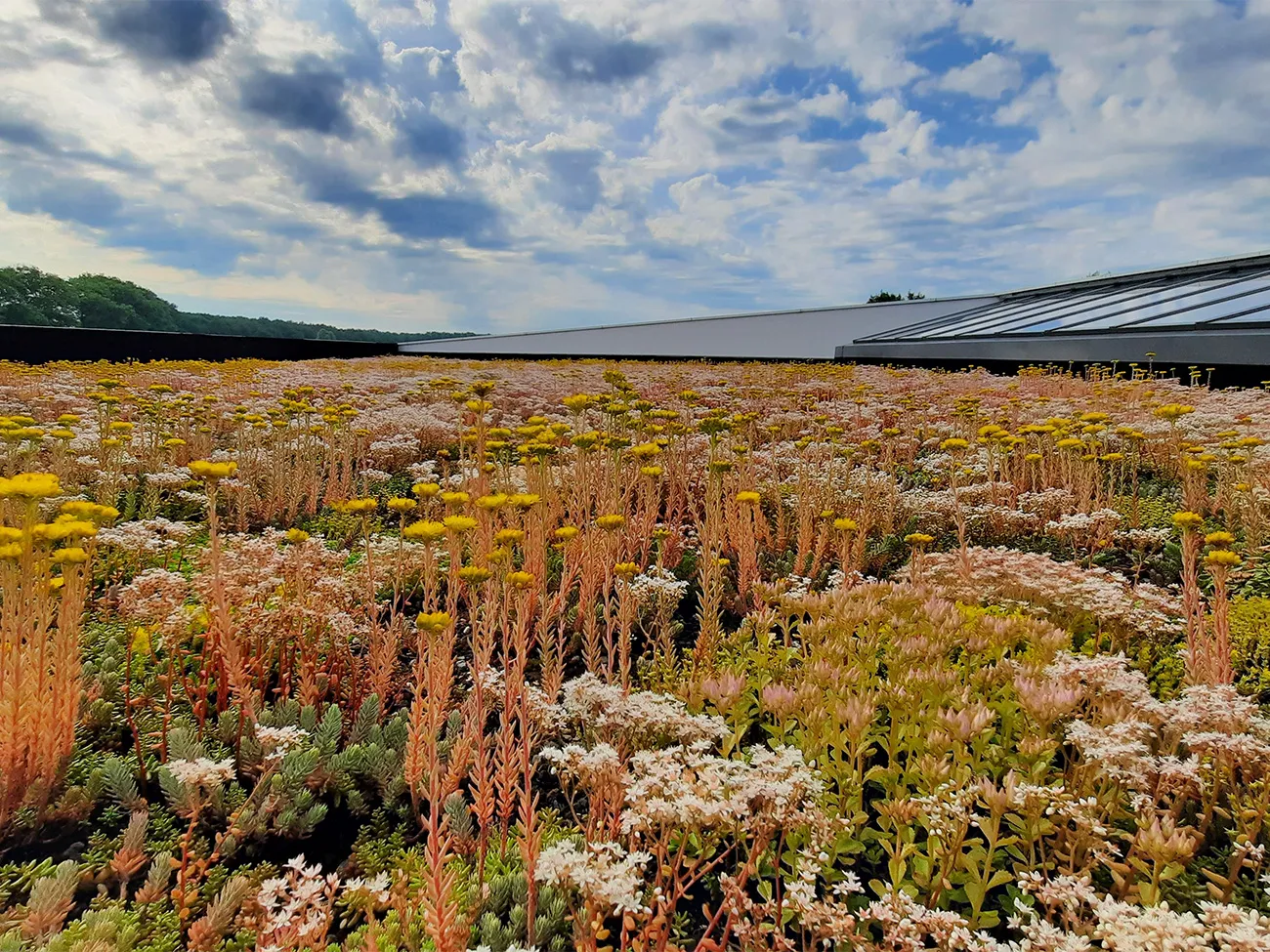
Every additional square metre of greenery benefits nature, the climate and overall quality of life. Guided by this belief, businesses and individuals, as well as local authorities, have been investing more and more in green roofs and roof gardens in recent years. In principle, anything is possible today, from the simplest sedum roof to a fully fledged roof park with trees, footpaths and water features. However, a project of this kind is not simply comparable to a conventional garden.
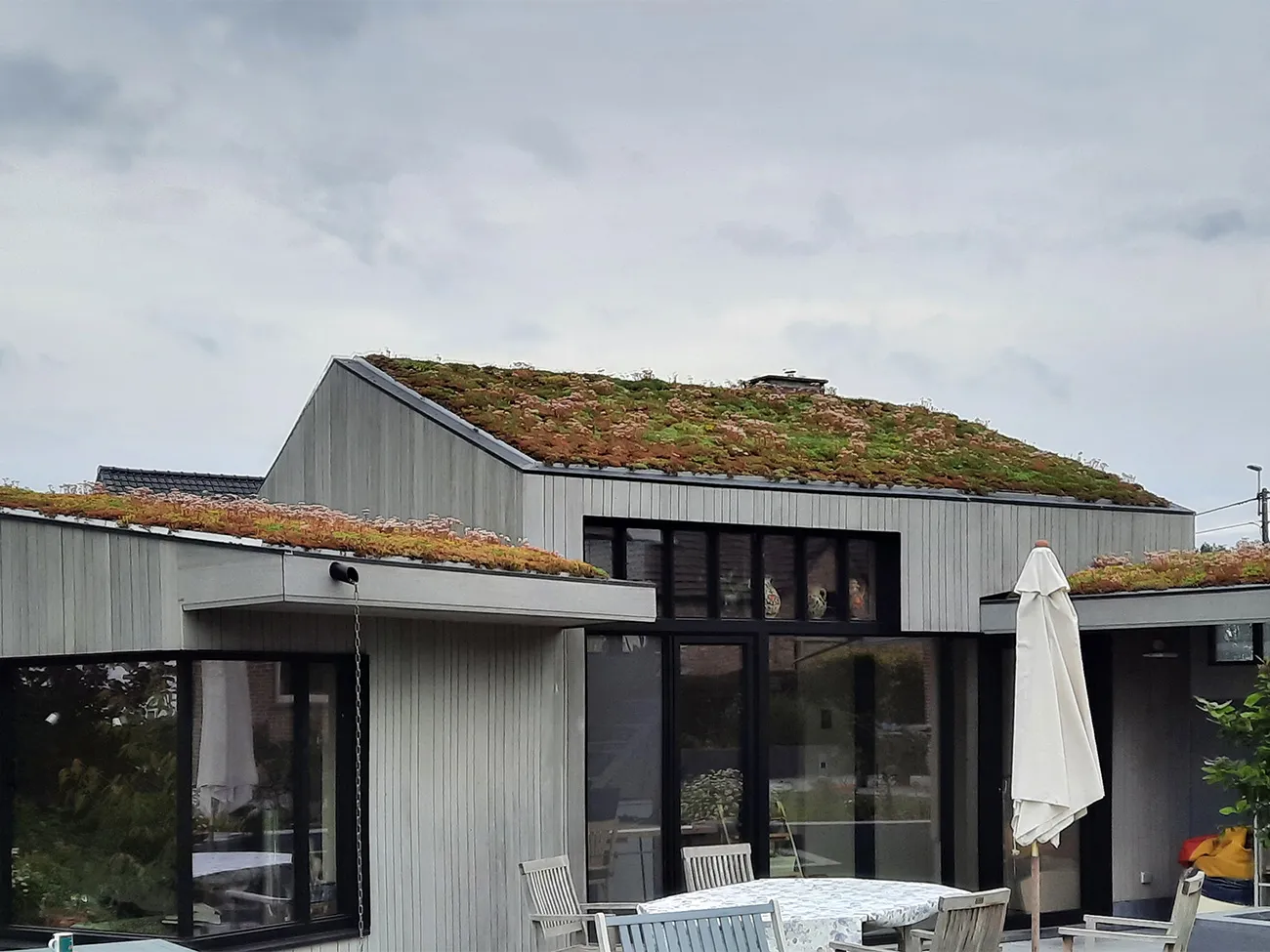
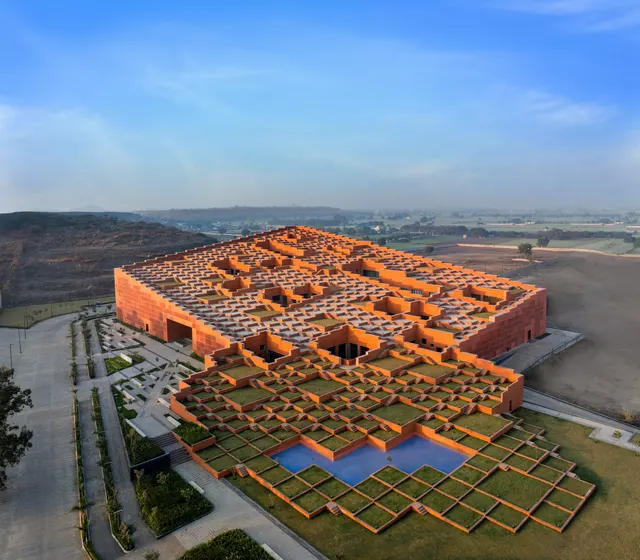
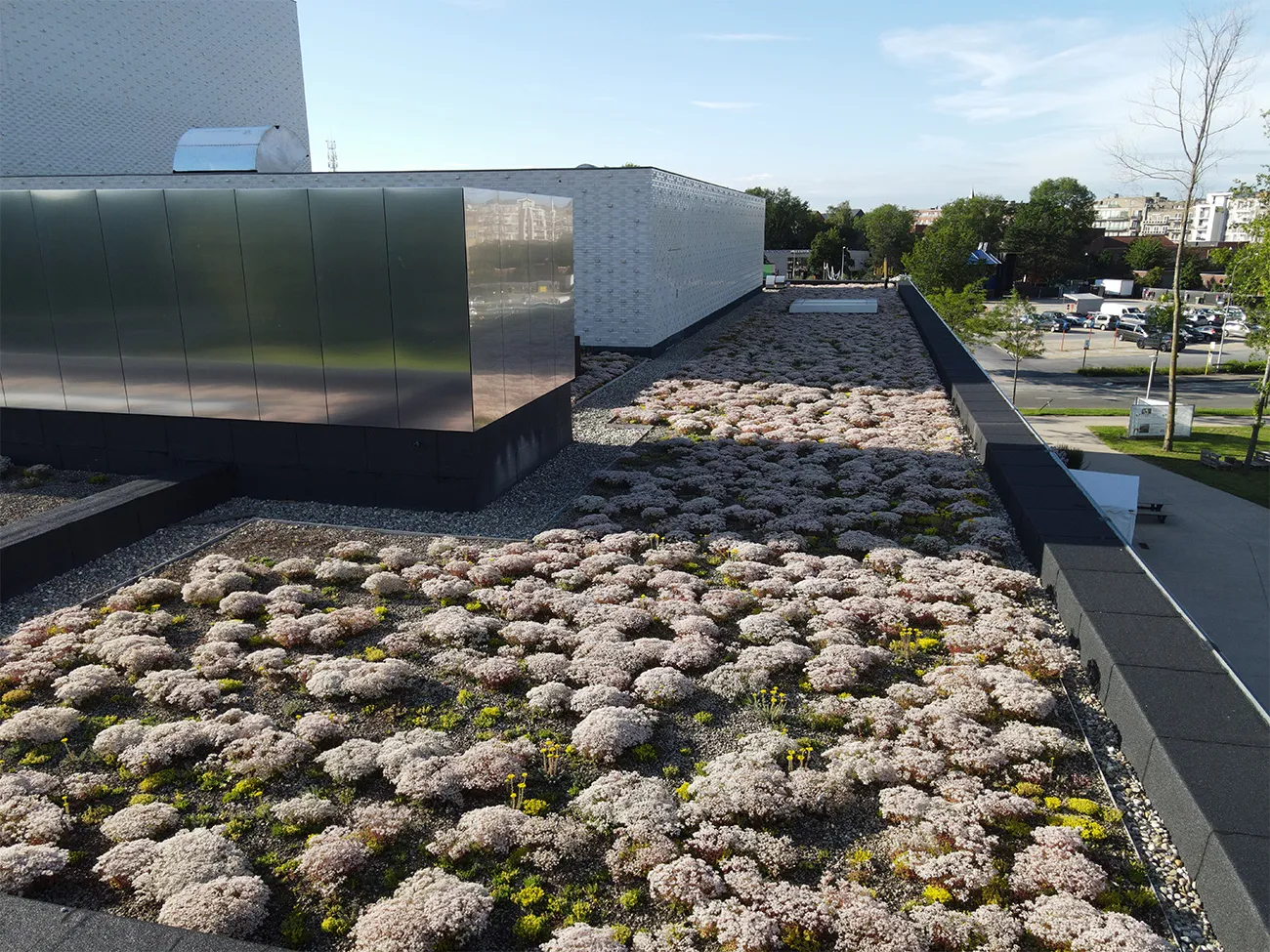
Green roofs are divided into extensive and intensive varieties. The extensive green roof, made up of vegetation that can largely sustain itself, is by far the best known, particularly among private individuals. However, as prestigious projects featuring intensive green roofs become more common, so too does the popularity of the so-called roof garden. These feature a greater variety of plants and may even include terraces, paths and other conventional garden features.
Benefits
Regardless of the type, every green roof offers a number of benefits. The first is its positive impact on biodiversity. Even the simplest extensive green roof can support herbs and flowers that attract bees and butterflies. Green roofs also help capture particulate matter and CO2, and reduce the urban heat island effect.
The role of green roofs in sustainable water management is particularly topical. Rainwater that would otherwise flow straight into the sewer is buffered within the green roof system, then released at a controlled rate into the sewer, a rainwater tank, an infiltration facility or other systems.
From a construction perspective, a green roof provides an additional protective layer over the roof waterproofing, limiting damage from factors such as UV-A radiation and hail, and thereby extending its service life. Finally, the addition of greenery and the increase in usable space also improve liveability in cities.
Know your roof
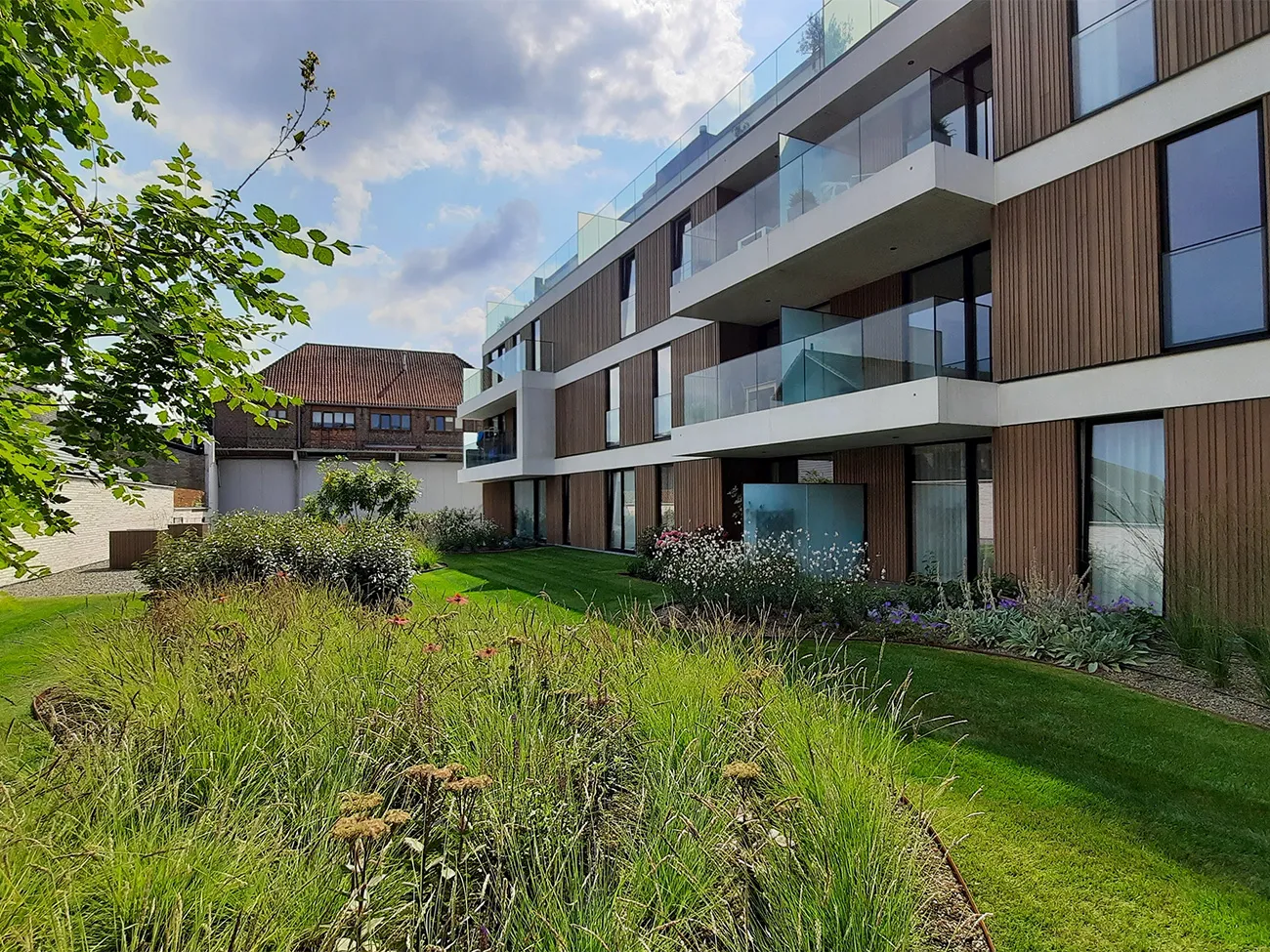
In principle, a green roof can be installed on almost any roof, including pitched roofs. There is just one essential requirement: load-bearing capacity. With the exception of a few lightweight systems, an extensive green roof requires a minimum capacity of 100 kg/m2. For a roof garden, the saturated weight can quickly reach 500, 800 or even 1,000 kg/m2, depending on its design and planting. The roof must be able to bear these loads over the long term.
The roof waterproofing also needs to be thoroughly inspected. If it is not intact, or has aged to such an extent that problems can be expected in the next five to ten years, there is little point in starting the work. Once the green roof is installed, repairing leaks or other problems beneath it is very difficult and costly.
The impact of height
Projects at height always require good coordination, with careful attention to planning, vertical transport and the necessary safety measures. Larger green roof projects are also subject to additional fire-safety standards, such as the provision of sterile zones. These are currently usually filled with gravel, but both WTCB and the Belgian Federation for Roof and Façade Greening are investigating possible alternatives.
The roof’s natural conditions also require consideration. The depth and composition of the substrate, on the one hand, and the generally more extreme climatic conditions, on the other, determine which plants can thrive on the roof. Intensive green roofs and roof gardens in particular require specific experience and expertise, and therefore the involvement of a specialist partner.
Sustainable specifications
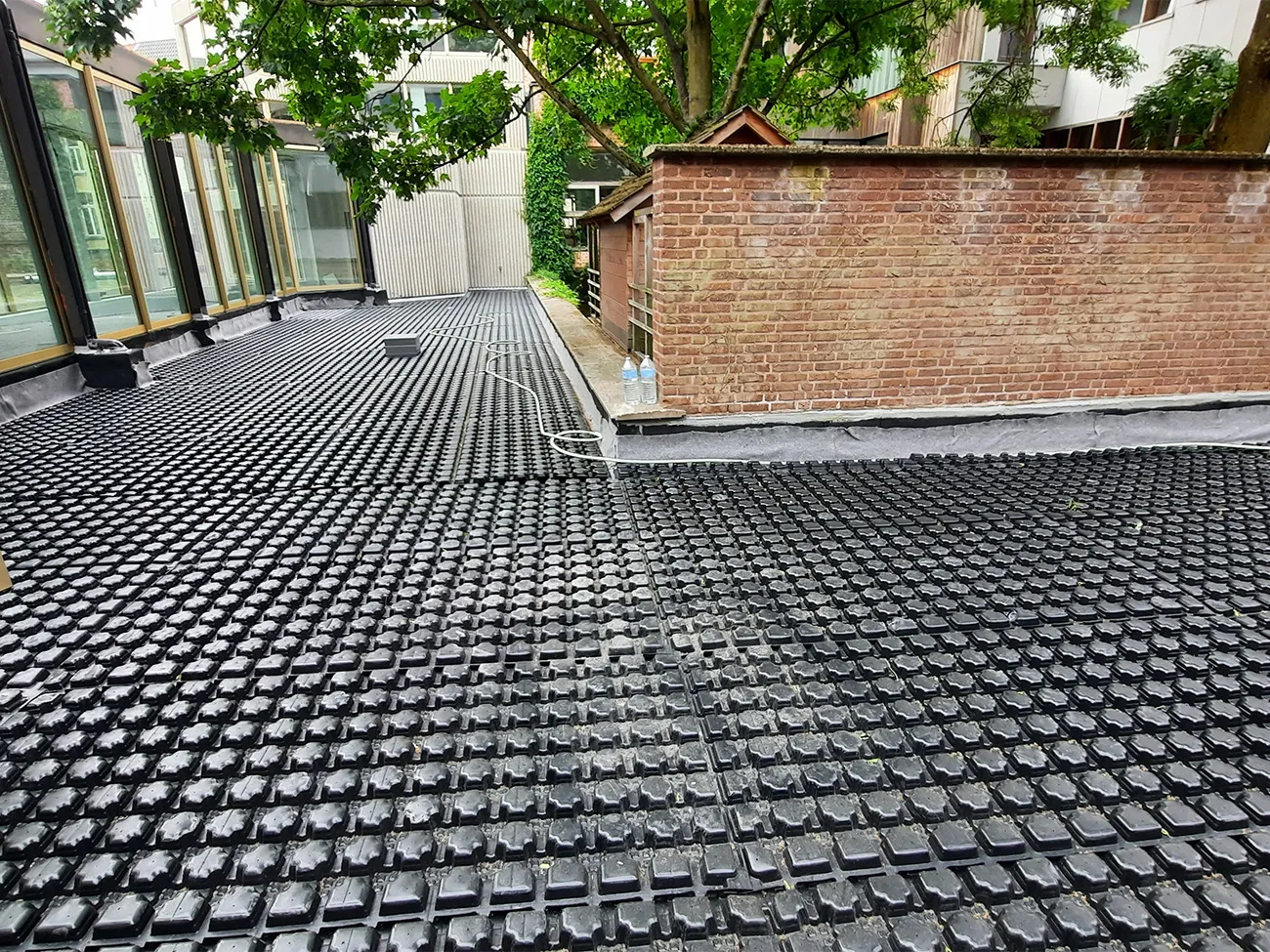
The planting is merely the finishing touch to a green roof. Beneath it is a complete system made up of components including the substrate and drainage layer. To deliver a high-quality, durable green roof, this build-up must meet a number of minimum requirements. These are best included in the specifications from the outset.
For example, the substrate must be suited to the planned planting, and care must be taken not to use contaminated substrates or additives. German manufacturers use the FLL label to certify substrate quality. In Belgium, the Federation for Roof and Façade Greening is working on a comparable quality label.
The same federation stipulates a minimum substrate depth of 6 centimetres, ideally 8 centimetres, in all circumstances, combined with a water-retention capacity of 35 litres/m2. For system components, preference is given to elements that provide drainage, retention and air circulation.
Question about this story? Ask your question
Keep following this
Get an email when a new story is published. No account needed.
- ThemeDesigning green and outdoor spaces
- SubjectExteriors