Atmospheric garden lighting for winter and summer
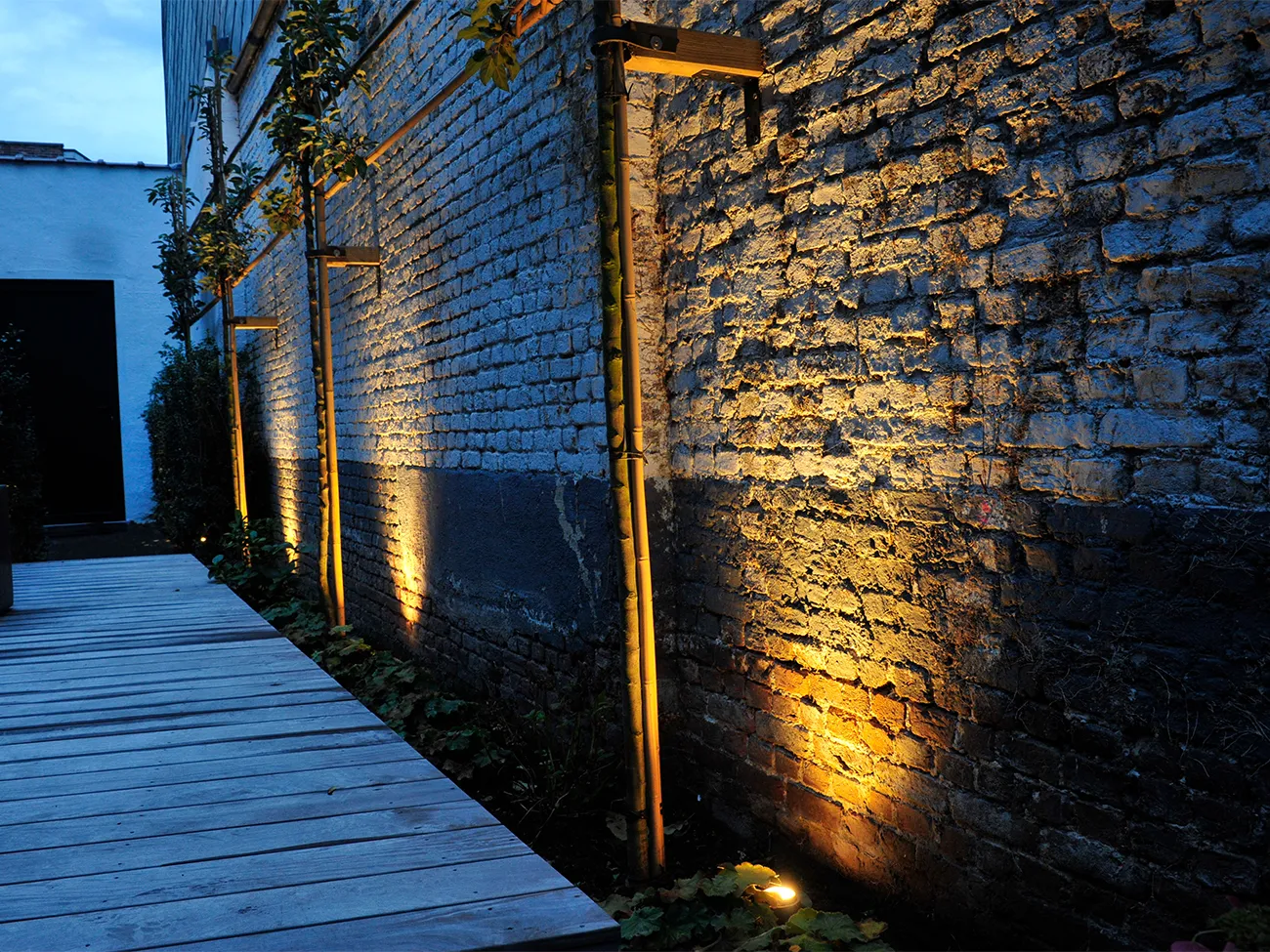
A home with a garden: this combination has never been as popular as it is today. The pandemic has a lot to do with it, but interest in having a garden of one’s own had already been growing.
When planning your garden, don’t forget the garden lighting. It lets you enjoy the garden after sunset and puts it in the spotlight.
We are increasingly seeing the design of the home and garden come together as a whole. The garden is, in a sense, an extension of the interior. Add in the hot summers of recent years and the pandemic, which derailed many people’s holiday plans, and it is clear why interest in having a garden of one’s own is soaring. People are spending more time at home and rediscovering their own gardens and surroundings, along with the possibilities they offer. It is crucial, however, to give proper attention to good garden lighting. It provides structure and brings the garden to life.
What counts as a garden?
This feature is about garden lighting, so it makes sense to explain what we mean by that. We consider everything outside and around the home that forms part of the private area to be the garden. This includes patios, driveways, garden paths and walkways, parking areas, outbuildings and, potentially, a garden office. The lighting used in these spaces falls under the heading of garden lighting. Lighting for sites and non-residential buildings is not classed as garden lighting, but as outdoor lighting.
The influence of various factors
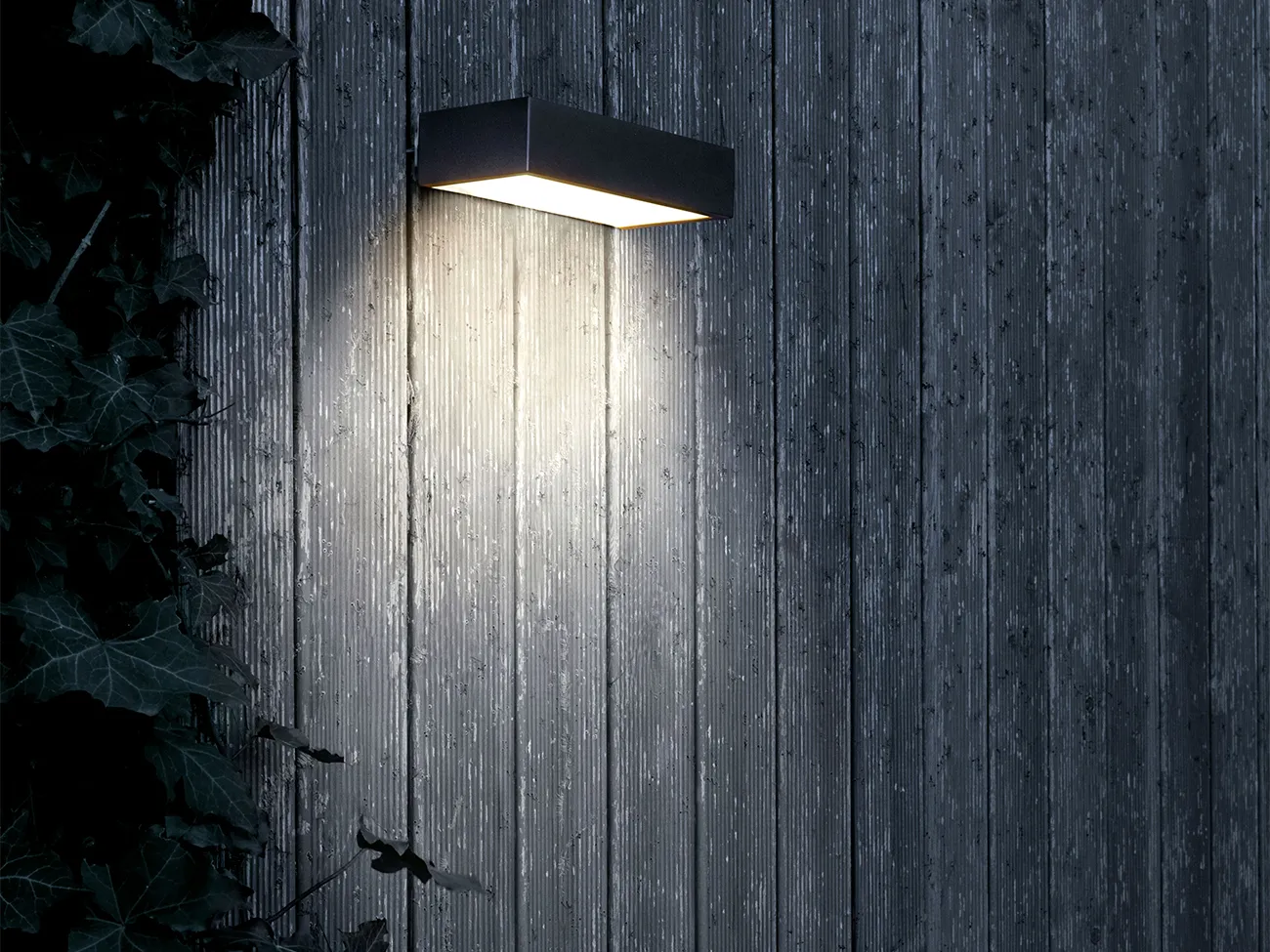
A garden designer certainly considers every detail when designing a garden. A range of factors come into play: the garden layout, its width and depth, planting, trees, architectural features such as sculptures and water features, and the changing seasons. With the warm weather and holidays spent at home, demand for swimming pools has also increased. After consulting with the client, the garden designer works with these elements, while a lighting designer uses the same elements to create a lighting scheme for the garden.
A job for specialists
Lighting is a specialist field. When the lighting in a garden, and indeed in every room of a home, is done well, it immediately takes the entire space to a higher level. The reverse is unfortunately also true: poor lighting can ruin even the most beautiful gardens and buildings. Fortunately, lighting specialists (lighting designers, lighting architects, lighting studios, etc.) are more than happy to work together to create the perfect lighting for every garden. “Always in collaboration with the garden designer and the people who live there,” says Harold Demaeght of Light Consult. “Communication is key.”

Garden lighting in practice
Garden lighting is a broad term that can be divided into three types. Task lighting is used to illuminate paths, patios, entrances and exits. It creates a sense of safety and comfort, and allows us to carry out any activity, such as walking, eating or reading. Then there is ambient lighting, which supports task lighting and provides more general illumination. The third category is accent lighting, which draws attention to specific objects or features in a garden, such as a tree or an architectural feature. Accent lighting allows the lighting designer to add a touch of drama to a garden.
“The lighting fixtures also need to take the style and surroundings of the home into account,” Demaeght confirms. “They should complement it. For example, grey aluminium and stainless steel fittings are not recommended for a country-style home. They simply don’t fit. The surroundings should also be considered when choosing materials. On the coast, it is best to use fittings that can withstand the salty sea air. On the other hand, certain heavy metals in groundwater can cause problems with lighting fixtures when watering the garden.”
A puzzle for the experts
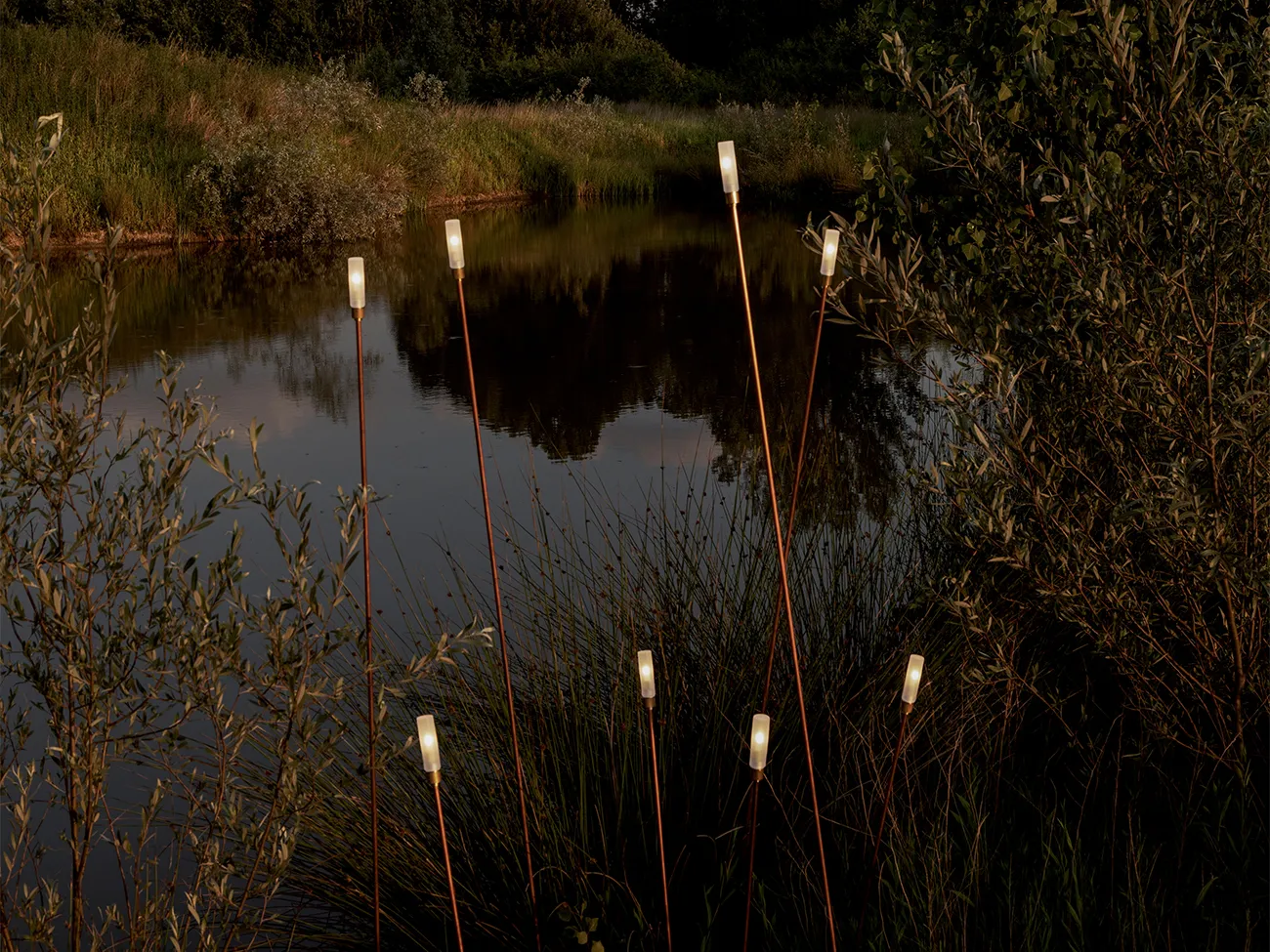
Once the lighting scheme, a plan that takes account of the factors outlined above and the client’s wishes, is ready, the major puzzle begins: choosing the right type of lighting and the fittings to use. Each type of lighting has its own specific fittings. These might include bollard lights along garden paths, a lamp post as an additional architectural feature, a cable suspended across a particular area with fittings attached, wall lights or spotlights to illuminate a wall. Stairs and slopes also require careful consideration. Factors to consider when choosing fittings include the materials (hardwood, natural stone, copper, brass, aluminium, stainless steel, etc.), the size and the direction of the light.
Trend: the garden office
One trend to watch, although it is certainly not suitable everywhere, is the garden office. It is gaining ground, largely as a result of the coronavirus crisis. Working from home is not easy when, for example, children are playing in the living room. A separate room in the garden can offer a solution. As the relationship between home and garden becomes ever more important, it is essential to give careful thought to the lighting in a garden office. Tip: control the lighting intelligently so that, in the dark, the office does not become an unsightly black box.
Future-proofing
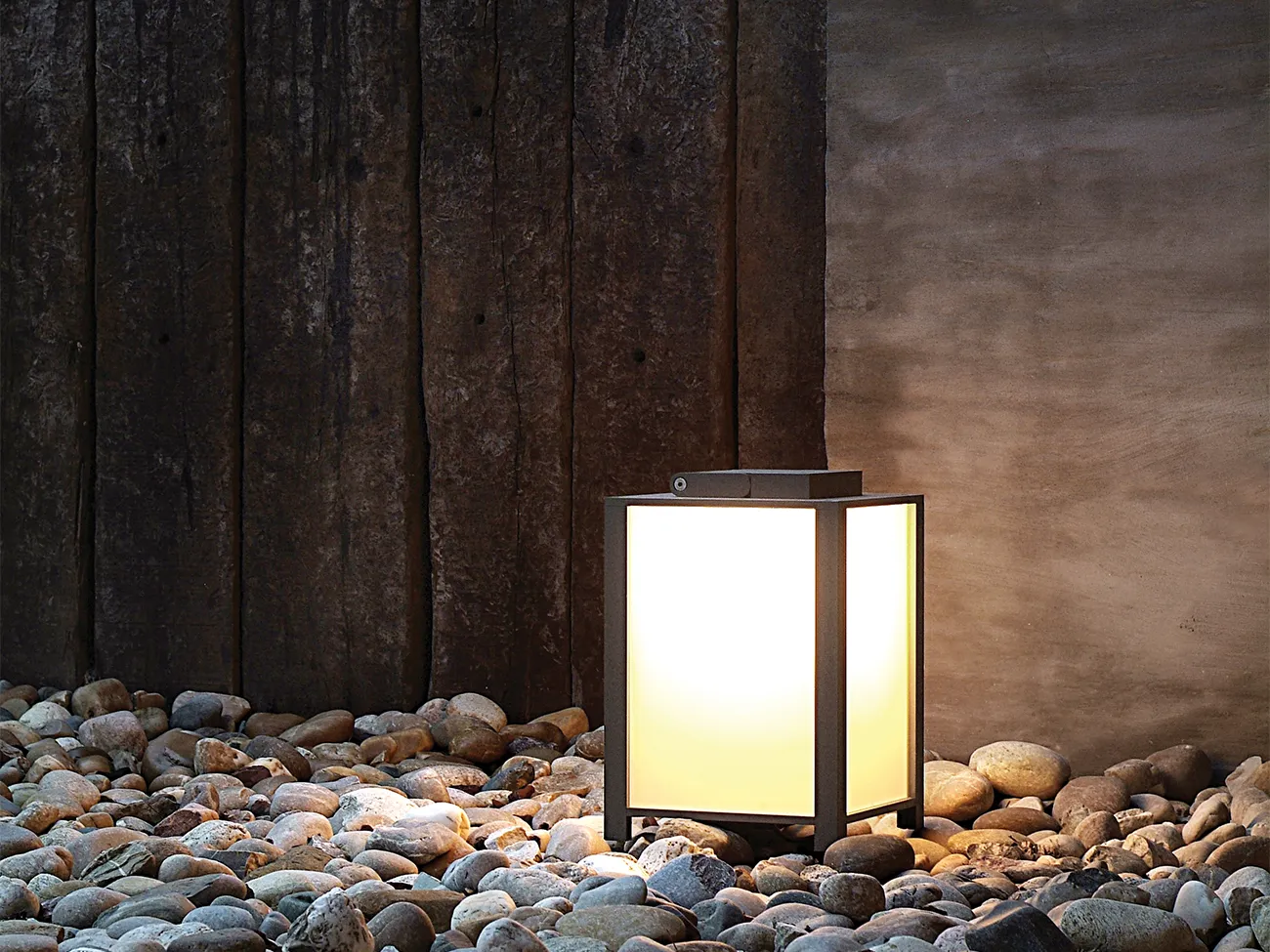
A golden rule to keep in mind when installing garden lighting: provide plenty of cabling. “Even if you are not installing the fittings straight away, lay the right cables and provide enough separate circuits,” Demaeght emphasises. “That way, your garden is future-proof and you can install the fittings you want later without having to redo the whole garden.”
Question about this story? Ask your question
Keep following this
Get an email when a new story is published. No account needed.
- ThemeLight and sound as design tools
- SubjectExteriors