Aluminium as lightweight, architectural façade cladding
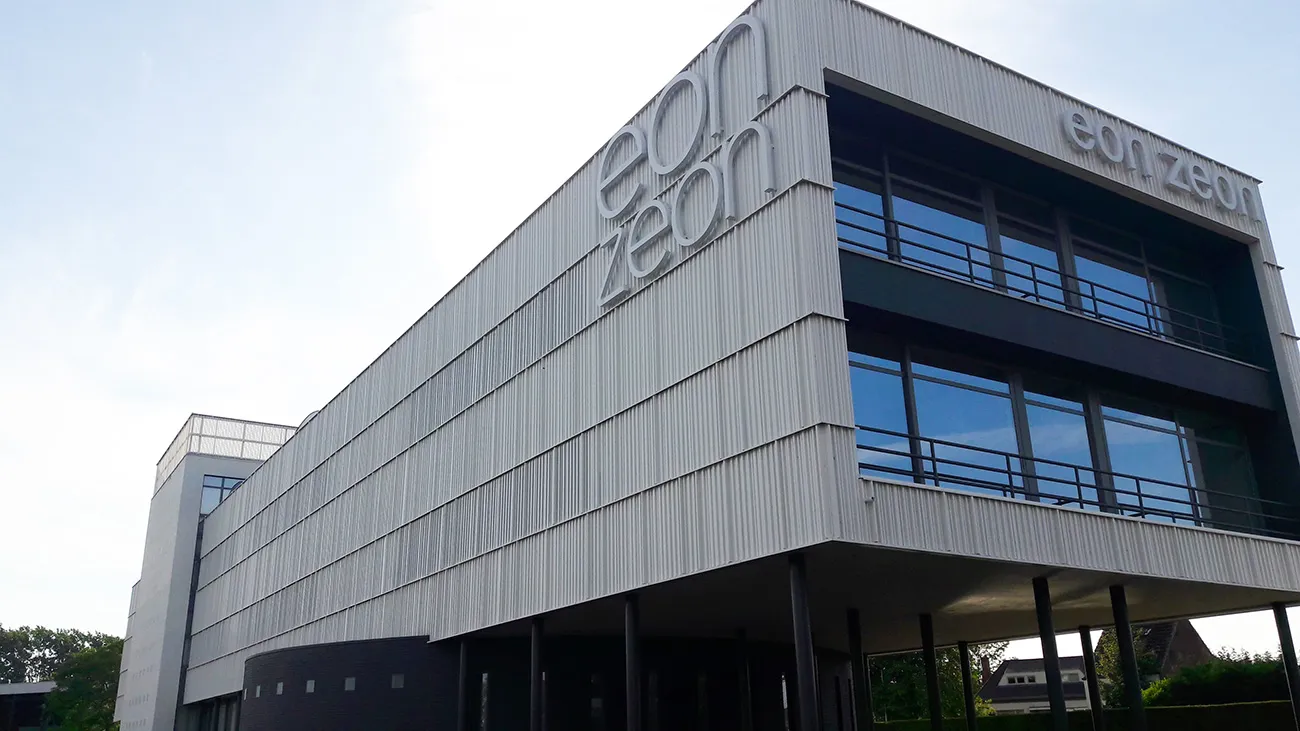
Aluminium has more than proved its worth as lightweight yet strong, low-maintenance and fire-safe façade cladding, offering distinctive architectural possibilities. Aluminium is also increasingly being used in residential construction, both in new-build homes and renovation projects. We discuss its possibilities and benefits with the Federation of Aluminium Contractors, or FAC for short.
Ever stricter regulations for aluminium joinery and façade cladding are often a challenge. Demanding standards apply to airtightness, insulation, sound insulation and fire safety, and these continue to evolve. When specifying aluminium façades, architects need to be able to rely on the expertise of companies that guarantee quality, not only in terms of compliance with standards and legislation, but also in the quality of the installation. Since 2007, FAC has acted as a trade association safeguarding quality in the sector and supporting its members through knowledge-sharing and advice. We speak to Peter Lootens, Managing Director of Durv nv, and Andy Coninx, Technical Director of Hegge nv, both directors of FAC.
Quality mark and quality manual
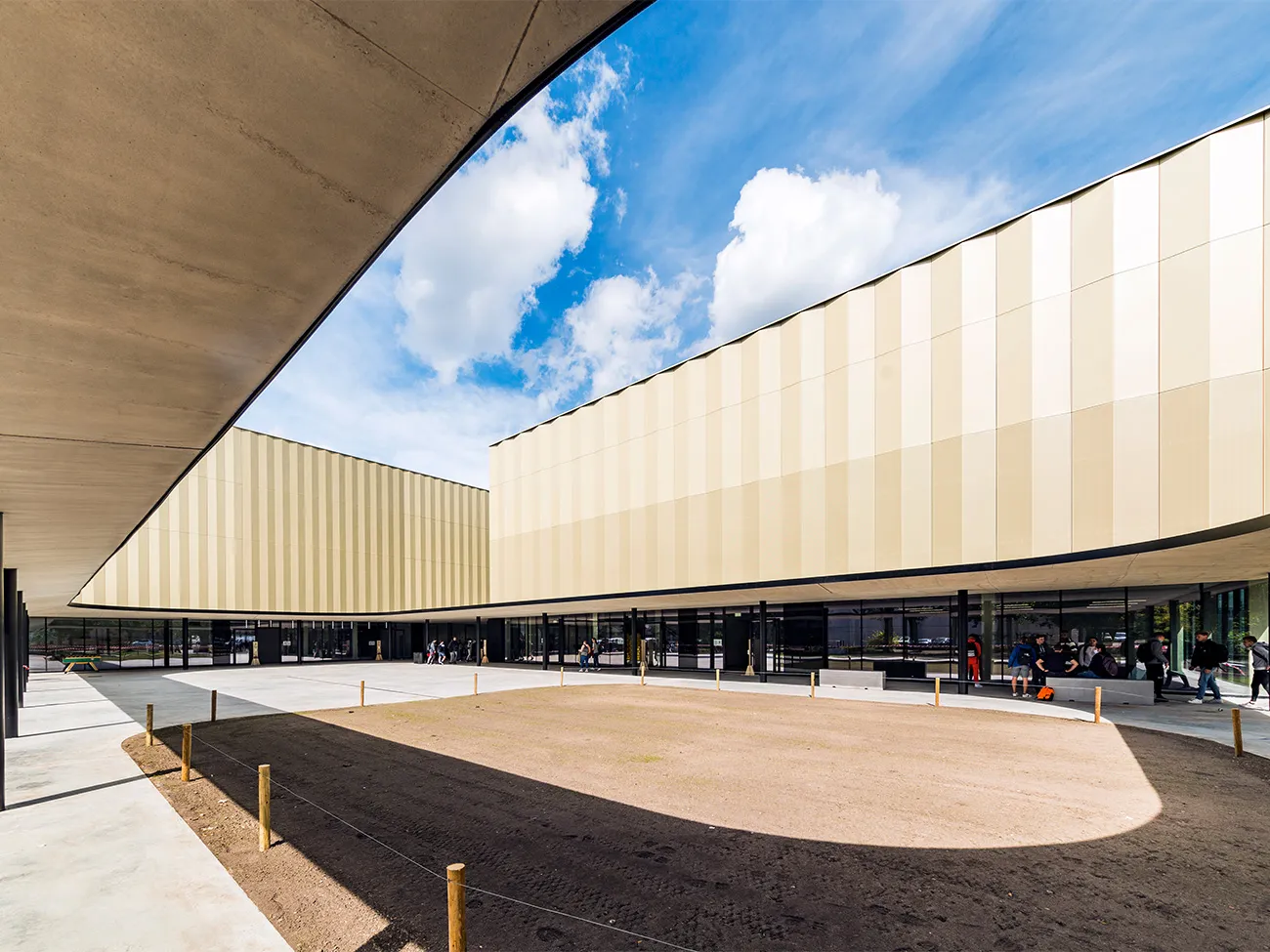
There are now around 40 FAC members, aluminium joinery manufacturers and façade contractors entitled to use the FAC quality mark. In addition, the sector has 65 partners and suppliers. “Every trade member undergoes an annual audit by an independent inspection body,” begins Peter Lootens of Durv nv. “The audit checks not only theory and regulations, but also whether what is set out in the office is actually put into practice on the factory floor and on site. That is very important, because it is the only way to guarantee quality.” The basis for these checks is the FAC Quality Manual, a publication that is regularly revised and brings together standards, regulations and technical information in clear language. “It is easy to consult, including for architects, via the FAC website,” adds Andy Coninx. “It is also supplemented with mailings containing the latest information. FAC also organises courses, including courses on façade techniques, which are of interest and accessible to architects too.” Be sure to check the online calendar for modules scheduled over the coming months.
Aluminium as a distinctive façade material
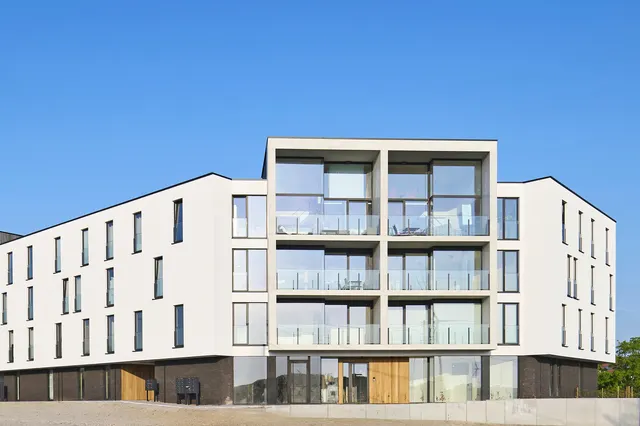
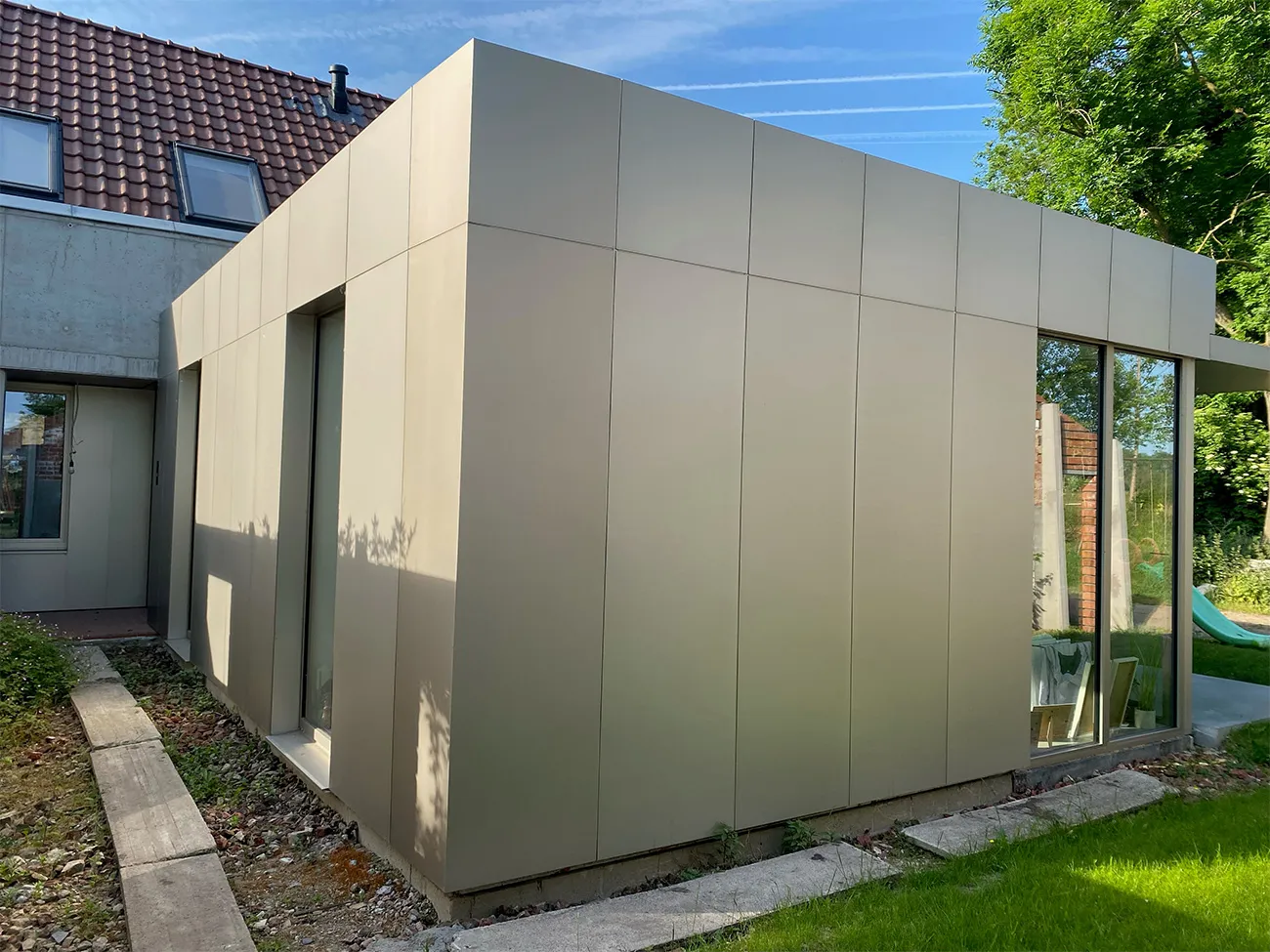
Why choose aluminium façade cladding? The benefits are numerous: it is durable, low-maintenance cladding, designed to last. It also offers excellent thermal performance. There is no need to take account of drying times for the building shell either. What is more, the material creates a contemporary façade, with a range of aesthetic possibilities for giving a building a distinctive architectural identity. Peter Lootens: “Aluminium is also lightweight and strong, which offers significant benefits in renovation projects. Its lightweight structure places hardly any additional load on the foundations. Aluminium façade systems are also ideal for adding insulation to an existing façade. Under a Flemish decree, façade renovations may generally extend up to 14 centimetres beyond the building line. This makes it possible to give an old building a completely new look and bring it up to current thermal standards without first stripping it back, and without altering the existing structure.”
Sustainability
Aluminium also scores highly in terms of sustainability. It can be 100% recycled to produce material of equivalent quality, so this is certainly not downcycling. “What is more, recycling requires only a fraction of the energy needed for primary production,” Peter Lootens notes. One final message for architects? Andy Coninx: “In more complex projects in particular, involve the aluminium contractor at an early stage. This allows you to check what is technically and financially feasible and avoid disappointment later on. Finally, remember to allow for construction tolerances in the building shell or existing building in renovation projects. That helps avoid surprises.”
Question about this story? Ask your question
Keep following this
Get an email when a new story is published. No account needed.
- ThemeBuilding envelopes for a changing climate
- SubjectExteriors