Wood heating adapts to contemporary interiors
Texte Christophe Cordier | Photos Matagne-Hody
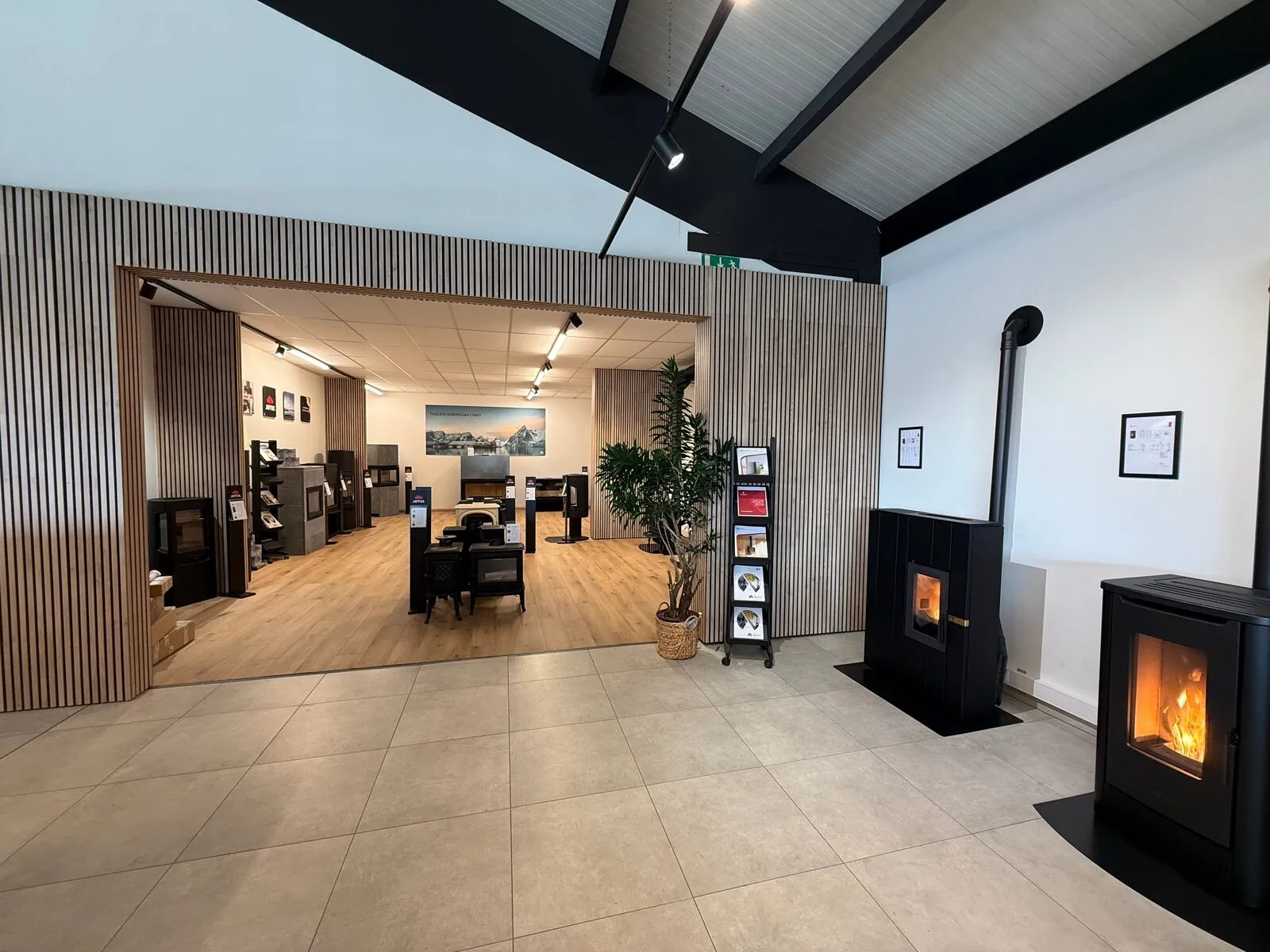
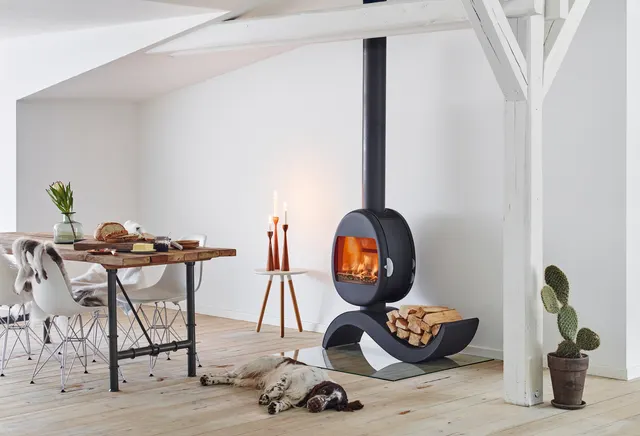
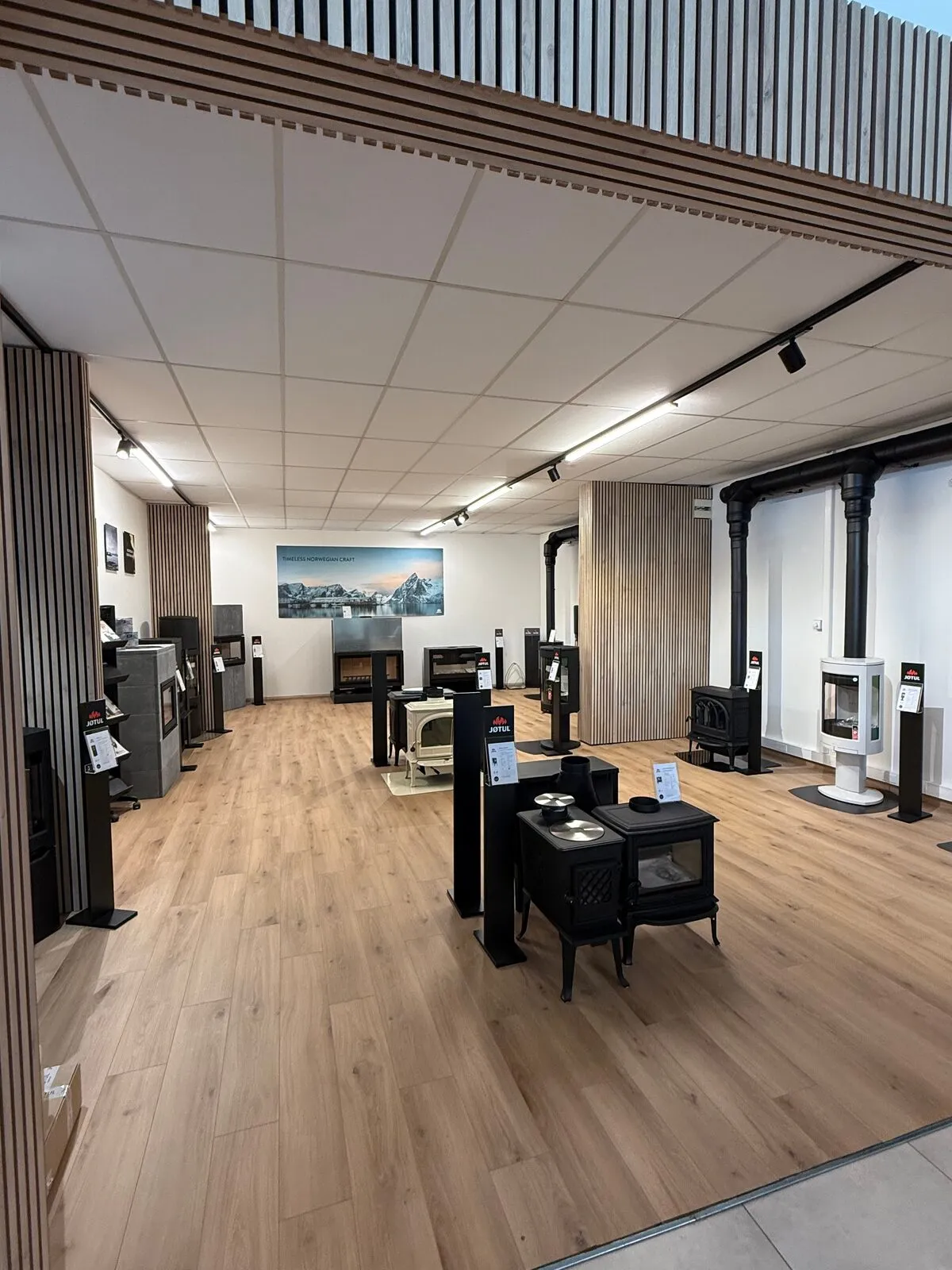
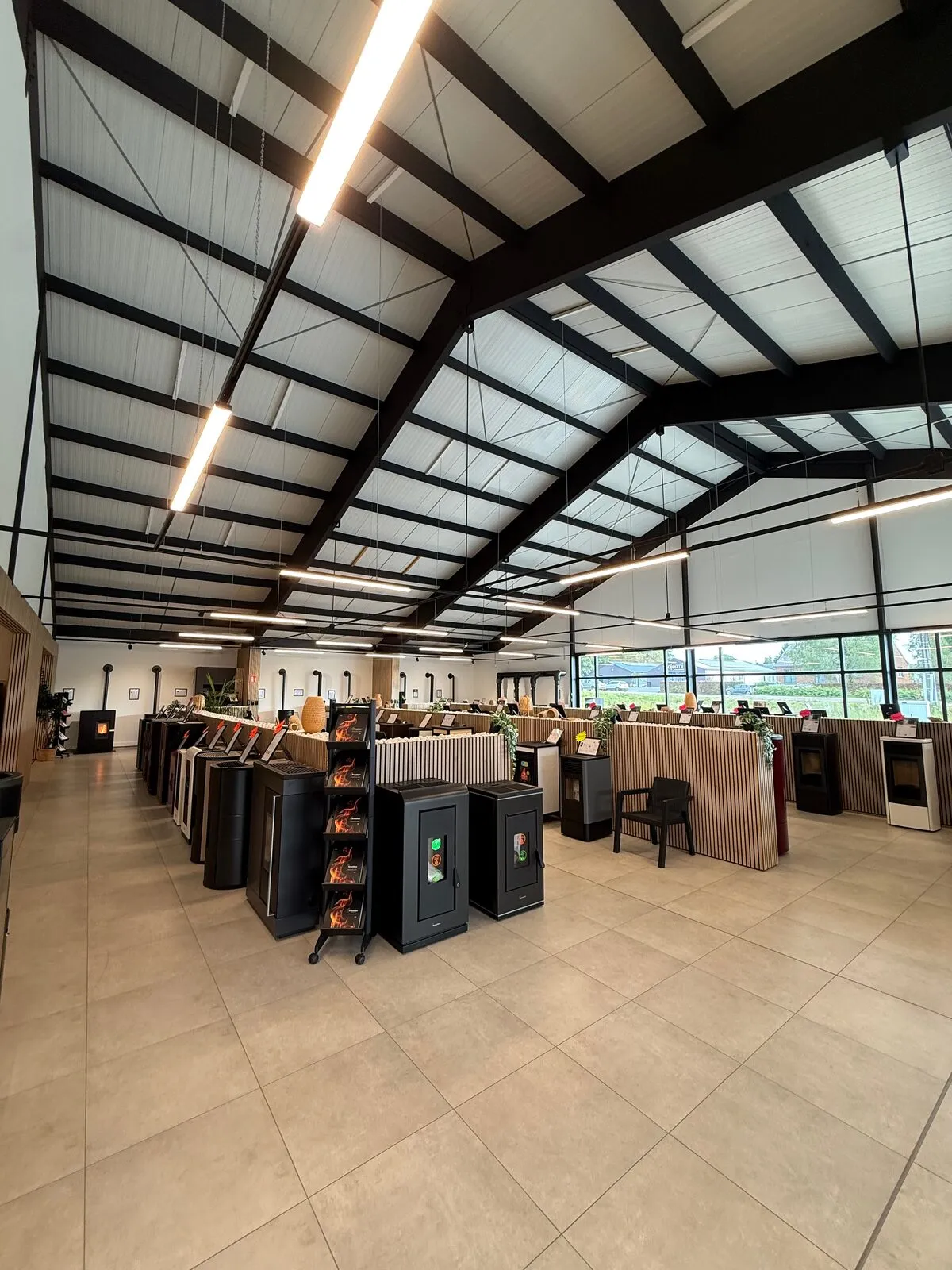
From its base in Bièvre, in the province of Namur, Matagne-Hody distributes heating equipment throughout Belgium and northern France. The brands of the Jøtul group are among its flagship products, which sets the company apart from its competitors. Is wood heating outdated? Certainly not: it is adapting resolutely to contemporary interiors.
Jøtul has been around for 170 years and is present in 43 countries across five continents. Most of the range can be seen in the Matagne-Hody showroom in Bièvre. "The three brands in the Jøtul group offer designs that serve the architectural project. I advise architects, incidentally, to consider the position of the wood stove as early as possible in their project," explains Lionel Collin, managing director. "These appliances give off an intense heat, and do so locally, which is very different from underfloor heating. The earlier the architect plans the integration of the stove and thinks about air circulation or the openness of the spaces around the appliance, the more effective the stove will be as a means of heating."
As heat requirements fall in deep renovations and new builds, Lionel Collin points out that the wood stove can become an important element in heating the home. "The architect should ask clients whether they are considering installing a stove. Integrating this component early on makes it possible to plan how heat will spread from this central point and to anticipate the technical requirements. We are, for example, working more and more with airtight stoves. Their air intake therefore has to be taken into account, which means running a duct through the floor, to the ventilated void or to the outside. The earlier you know about this constraint, the easier the solution is to implement. This planning also helps to reduce costs," says Lionel Collin.

Design products on the rise
The Jøtul brand, which specialises in high-end foundry work, produces robust stoves with very high heating capacity. Lionel Collin recommends these products for intensive use. The high-quality cast iron used by Jøtul makes it possible to offer products with a distinctive design and a modern look. The SCAN brand, for its part, offers steel stoves with a slightly cleaner, rounder and lighter design. "SCAN is interesting for architects because it combines a latest-generation combustion system with a refined design that dresses the interior and helps define the identity of the room without being too imposing," Lionel Collin continues. Finally, the ATRA brand offers large, ultra-robust and powerful inserts, made to order and intended for more ambitious architectural projects: large holiday lodges, hotels, reception halls and so on. Here, the stove brings a very Scandinavian, warm and cosy atmosphere.
Lionel Collin draws architects' attention to the sizing of wood stoves: "the aim must always be the indoor comfort of the client or the user of the house. Architects already take into account the overheating caused by glazed bays. When installing a stove, they must also consider the overheating caused by this appliance. Sizing it correctly means more comfort and fewer technical problems."
Finally, Lionel Collin dispels a misconception: "no, wood heating is not incompatible with contemporary architecture. This type of heating has modernised and remains entirely relevant. The presence of a flame in the home is still appreciated and perceived as warm and convivial. The offer has been adapted to meet the performance requirements of new homes and European standards, notably concerning the airtightness of buildings. Today, architects are realising that wood-based solutions can fit perfectly into a contemporary architectural project."

Question about this story? Ask your question
Keep following this
Get an email when a new story is published. No account needed.
- SubjectInterior