Functional workspaces that make people want to come into the office
Texte : Ingrid Allaerts | Photo : Kinnarps
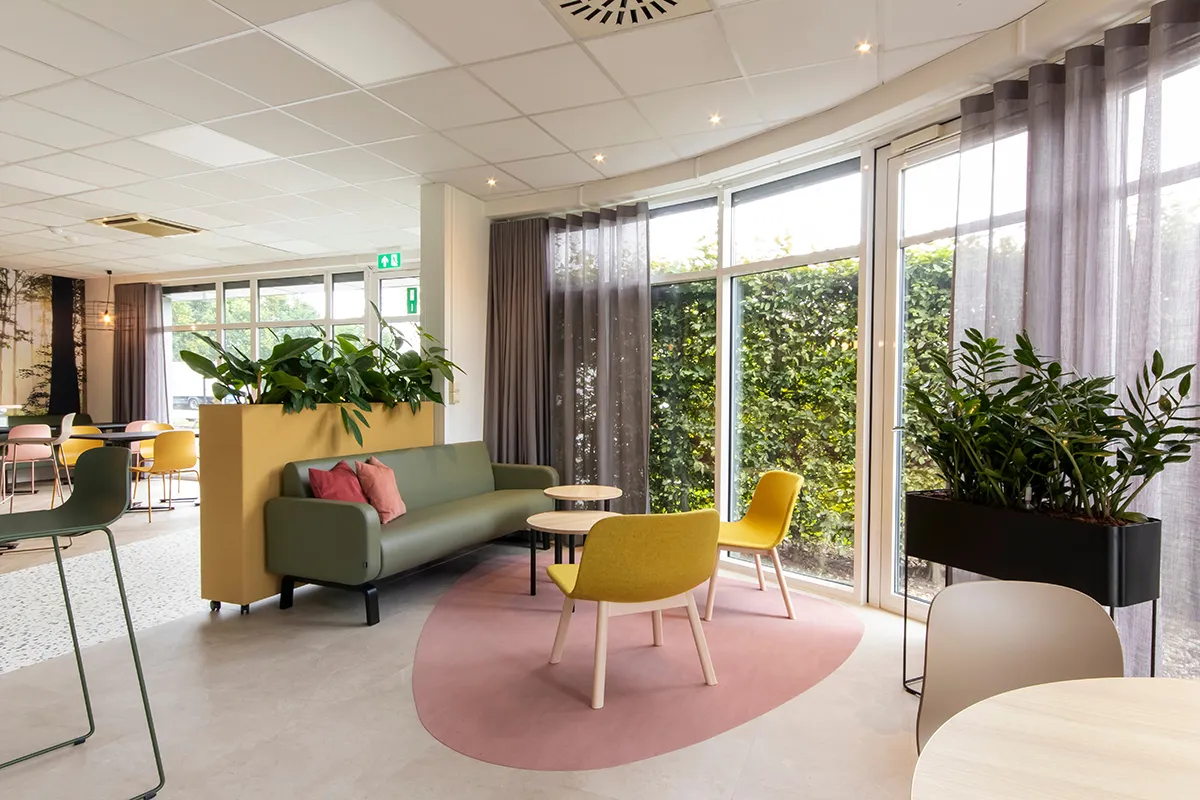
Working together to find sustainable solutions
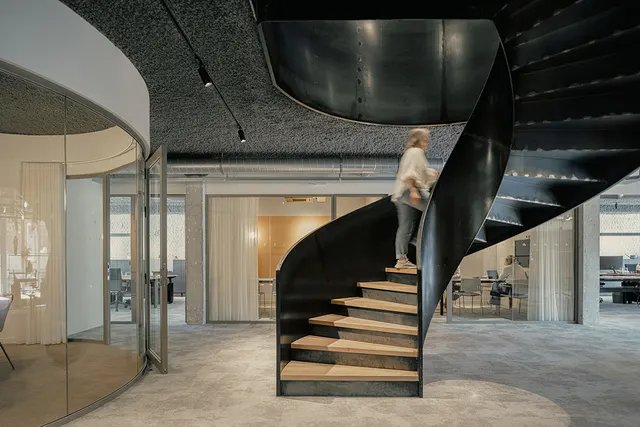
The face of the office has changed completely. Overnight, working from home became the norm rather than the exception. Company workspaces were deserted, and offices had to adapt to a new reality. Kinnarps is one of the companies riding this wave and working with clients to find sustainable solutions. Flexibility and sustainability are at the heart of this thinking: they are the key to transforming open-plan offices into environments that are both functional and attractive, with workspaces suited to social interaction as well as tasks requiring concentration.
Active in Belgium since 1993, Swedish company Kinnarps specialises in creating interior solutions for offices, schools and healthcare facilities. The Kinnarps Group encompasses several brands: Kinnarps, as well as design brands Skandiform and Materia, German brand Drabert and premium executive brand MartinStoll.
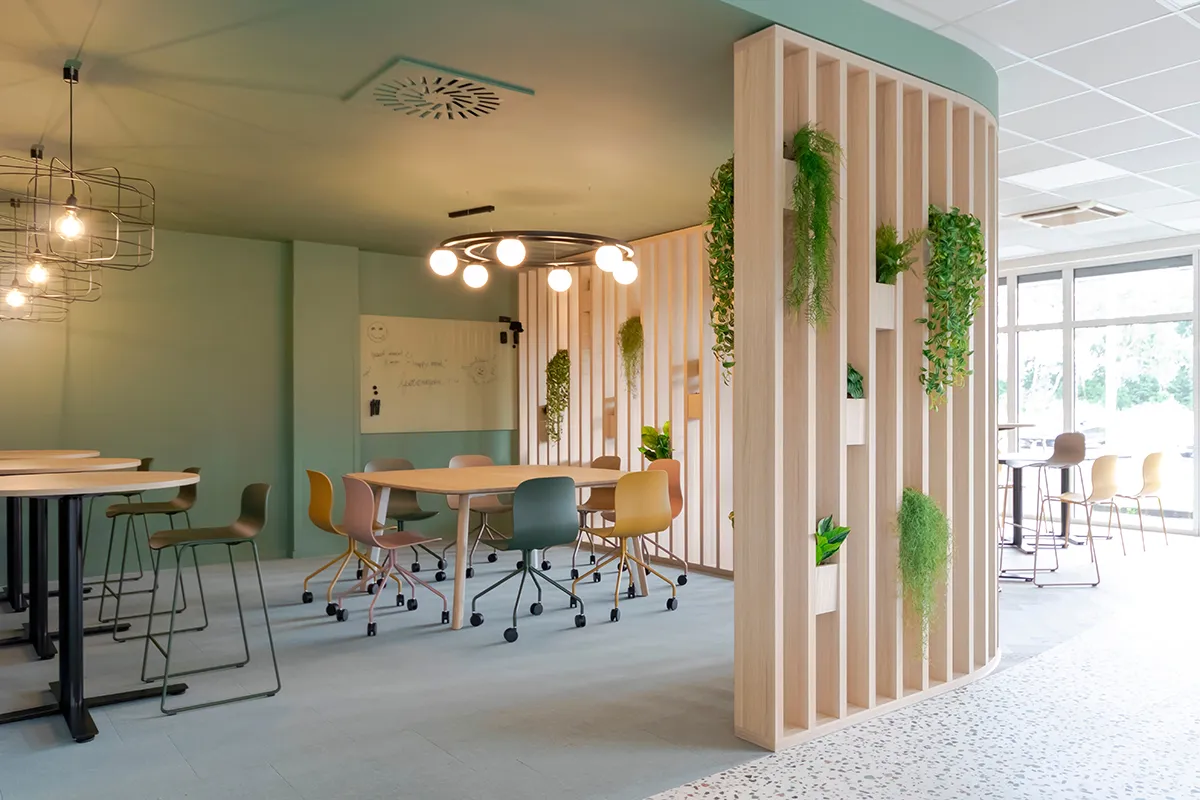
An ongoing commitment to sustainability
“We manufacture our own furniture, but our mission does not end there. Our added value lies in the attention we give to ergonomics and design. Sustainability is very important to us, as demonstrated by our production process and the long life of our products,” says Katrijn Vekens.
The Scandinavian company has long demonstrated its commitment to sustainability. No less than 98 per cent of the wood it uses is FSC-certified. Residual waste is compressed into wood pellets, which are then used to heat the factory and a few nearby homes. Fabric scraps are turned into fun giveaways, while offcuts are given a second life as acoustic screens. Kinnarps’ commitment to sustainability also extends to transport, with its lorries running on biodiesel. Furniture is wrapped in blankets and cleverly stacked. Products comprise a range of interchangeable or replacement parts, making workspaces easy to transform or adapt. “This flexibility is very important to us, because you can never predict how a company will evolve.”
What’s the next step?
Kinnarps works with clients to create the interior that best meets their needs, both today and tomorrow. “We look beyond the current situation. By asking targeted questions, we make sure the interior can evolve alongside the company. To do this, we developed the Next Office analysis tool. What does your company need? In an ideal world, where would you like to carry out a particular task? What would the perfect meeting room look like to you? Using an in-depth questionnaire, Next Office identifies needs, such as areas that will not be dedicated to tasks requiring intense concentration, and those intended for tasks requiring a moderate or high level of concentration. Open-plan offices have not disappeared, but they need to be designed differently. We are seeing more and more room-in-room systems, clustered workstations and acoustic screens to divide a space and create cosy corners and comfortable meeting rooms. We believe the future lies in hybrid working and in office environments designed for this reality, equipped with the necessary technology and digital tools.”
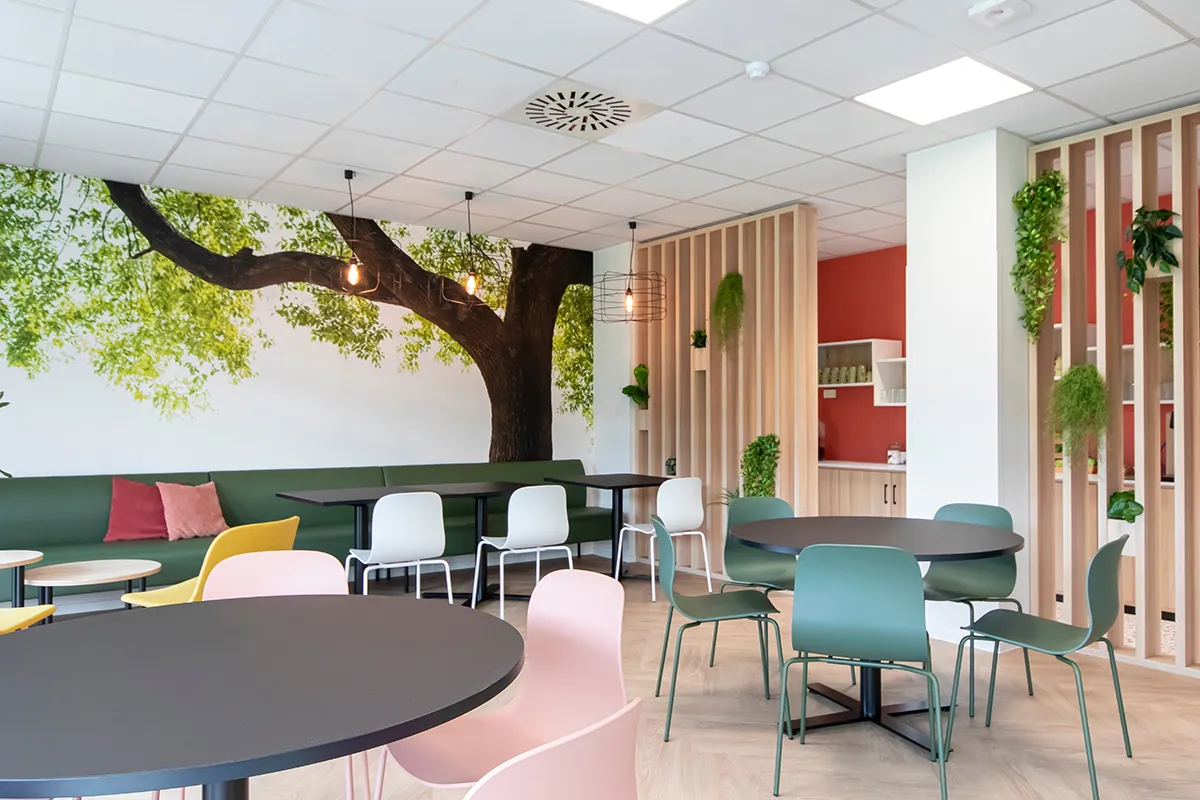
Project spotlight
Fujirebio is a multinational active in the biotechnology sector. The company is expanding, and its employees play a vital role in this growth. Kinnarps future-proofed its offices in several stages, starting with the cafeteria, which the client wanted to turn into a welcoming, multifunctional space where employees would feel at home. Screens and planters divide the space into different zones, including a comfortable lounge area, a meeting room and a large table offering a range of possibilities.
Question about this story? Ask your question
Keep following this
Get an email when a new story is published. No account needed.
- SubjectInterior