Neuroscience proves it: wood in interiors reduces stress and boosts creativity
Texte & images : Fedustria

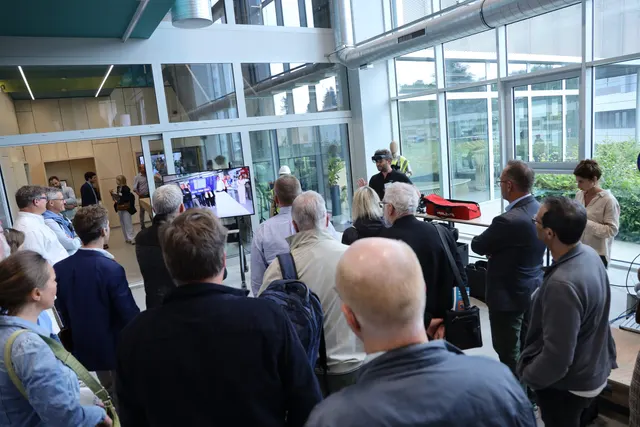
Fedustria, the Belgian federation for the textile, wood and furniture industries, has carried out a remarkable scientific experiment in recent months. In collaboration with Prof. Dr Steven Laureys (University of Liège) and Dr Steven Scholte (Neurensics), the federation used fMRI scans to study how our brains respond to interiors made with wood, concrete or synthetic materials.
The result is a first: objective evidence now shows that wood reduces stress, activates positive emotions and boosts creativity.
Wood is perceived as warm and pleasant, while concrete and synthetic materials often seem cold and austere. Interior professionals had already sensed this intuitively. Now, working with several sector experts, Fedustria has provided scientific evidence. With Belgium’s first neuroscientific study into the effects of wood indoors, Fedustria aims to provide objective data for decision-makers, designers and businesses.
CEO Karla Basselier explains: « As a federation, we support our businesses in many ways. Scientific research is one of them. This study sheds light on the societal value of wood. This neuroscientific research confirms what our intuition had already told us: a wood interior makes us feel good, whether at home, at school, in the office or in care facilities. »
Wood activates positive emotions
The results show that wood interiors evoke emotions such as trust, a sense of security and wellbeing. Unlike synthetic materials, which are more likely to trigger negative emotions, wood creates positive brain activity. This translates into environments where communication flows more easily, compromises are reached sooner and people feel better supported. For joiners and interior fit-out professionals, this confirms a message Fedustria has been putting forward for a long time: wood is not only of interest for its aesthetic or technical qualities, it also contributes to users’ mental and social dynamics. Choosing wood is therefore about more than ambience or sustainability: it is a genuine investment in wellbeing.
Impact on living, working and learning
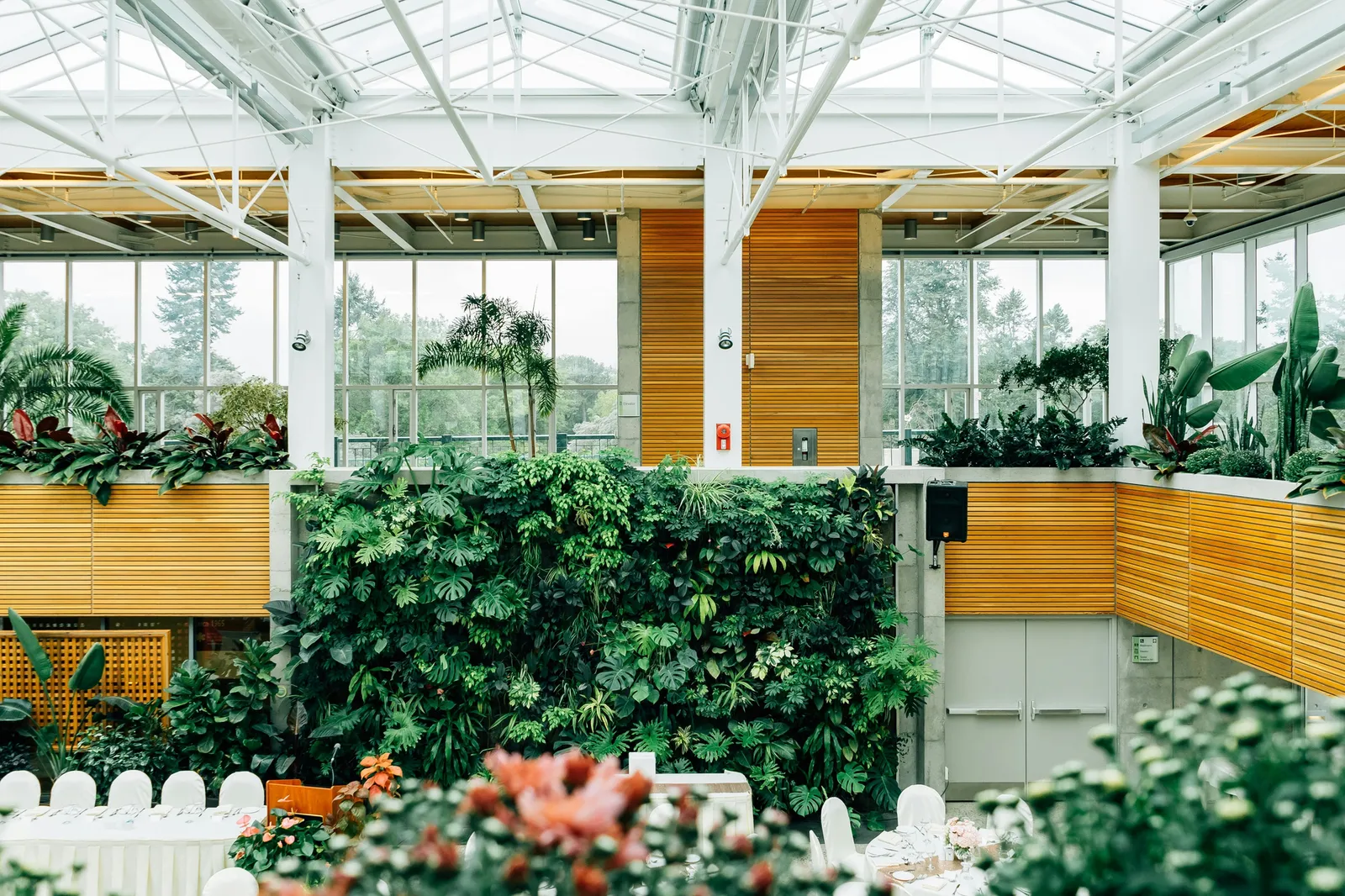
At home, wood enhances emotional intelligence. Occupants feel safer and communicate more openly. In the office, wood boosts creativity, planning and problem-solving skills. A strong presence of wood draws attention, inspires trust and creates fertile ground for innovation.
The outlook is also promising for schools and care facilities. In classrooms, wood creates a « homely » feeling, boosting pupils’ self-confidence. In hospitals, it helps reduce stress and irritation while strengthening a sense of connection. Fedustria sees tangible opportunities here for its member businesses, both in terms of innovation and new markets, supporting healthier living and working environments.
Neuroarchitecture and biophilic design
Prof. Dr Laureys, one of the researchers involved in the project, sees wood as a key element in the emerging field of neuroarchitecture: a discipline in which neuroscientists, psychologists and architects work together to design environments that promote wellbeing. « Wood is a natural material that has been part of human life for centuries. By incorporating it consciously, we create environments that have a measurably positive impact on mental health. »
Fedustria immediately draws a link to the sector: « This is another opportunity for our wood and furniture businesses », explains Karla Basselier. « It enables them to develop projects that bring sustainability, aesthetics and wellbeing together. They can thereby position themselves in discussions about healthy buildings, wellbeing standards and ESG criteria. This is precisely the area in which we want to support our members. »
Frequently asked questions from the sector
How was the study carried out?
The study used functional MRI scans of 24 participants. They viewed interiors of living rooms, offices, classrooms and hospitals, each shown in versions featuring wood, concrete or synthetic materials. During the scans, they also completed tasks involving creativity and problem-solving.
How reliable are the results?
The differences between materials are statistically significant at a 95% confidence level. In other words, the probability that the results are due to chance is below 5%. For the sector, this means the findings are representative of the average Belgian adult and broadly applicable.
What happens in the brain?
The fMRI analyses show activation in two networks:
- The creativity network, associated with innovative thinking.
- The attention and problem-solving network, involved in planning, organisation and cognitive flexibility.
How do the materials differ?
- Wood generates the strongest positive emotional responses and the highest levels of engagement.
- Concrete also activates engagement, but is more likely to evoke negative associations.
- Synthetic materials trigger negative emotions and are perceived as the least pleasant.
What do the findings tell us about different spaces?
- Home: wood boosts emotional intelligence and solution-focused behaviour. Occupants feel safer and better supported.
- Office: wood draws attention, inspires trust and supports creativity and problem-solving.
- Classroom: wood creates a sense of comfort and boosts pupils’ confidence.
- Hospital: wood reduces stress and irritation and strengthens social bonds.
What are the implications for the sector?
For interior fit-out professionals, joiners and decision-makers, these findings open up new prospects. This neuroscientific data positions wood as a material that benefits health, making it possible to demonstrate even more convincingly to clients, architects and developers that wood is much more than a construction or finishing material: it is a source of wellbeing.
Fedustria is a driving force in this area and continues to support its members in turning this scientific evidence into innovative applications and market opportunities. The message is clear: investing in wood means investing not only in design and sustainability, but also in users’ wellbeing.
Question about this story? Ask your question
Keep following this
Get an email when a new story is published. No account needed.
- ThemeTimber and offsite construction
- SubjectTimber construction