Sustainable renovation, step by step
Texte : Wendy Thijs
Sustainable development in practice
Taking action on sustainability is not always straightforward. That is why we want to inspire you by sharing the experiences of peers in your sector. Luyten Interiolizers has opted for a gradual approach, making sustainable choices while keeping the realities of manufacturing firmly in view.
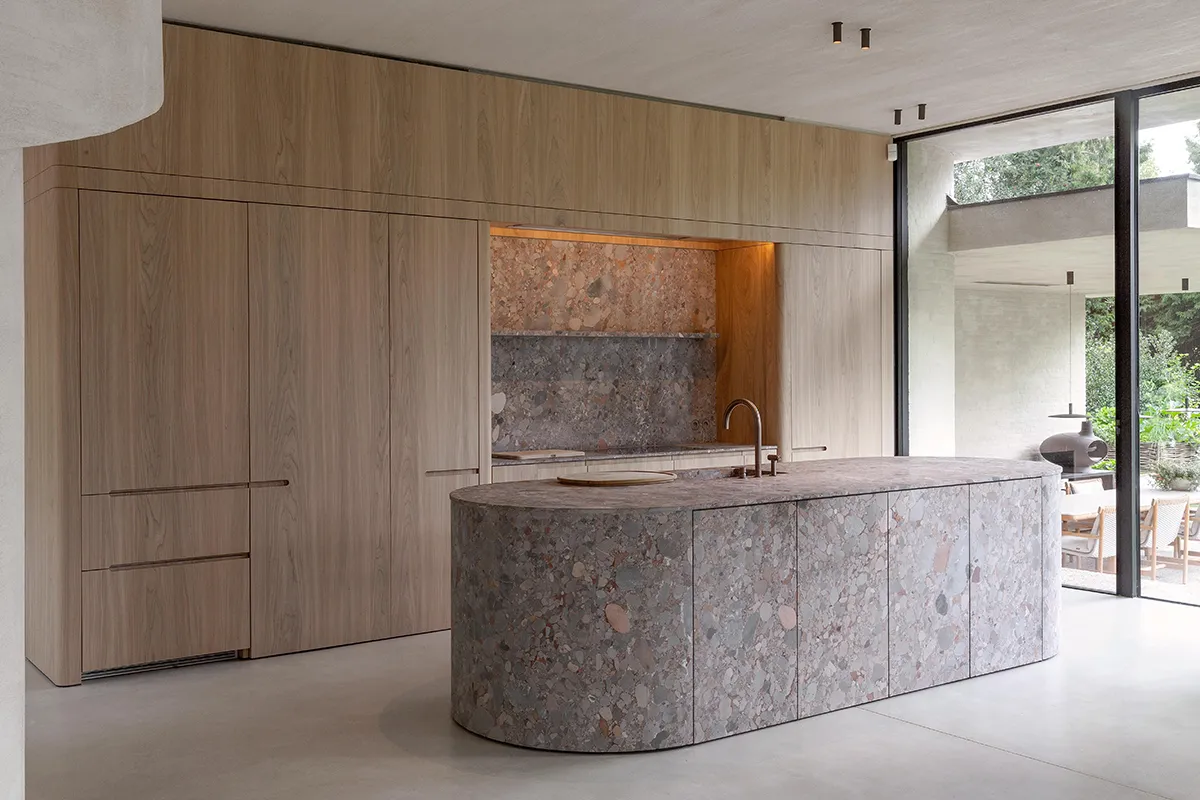
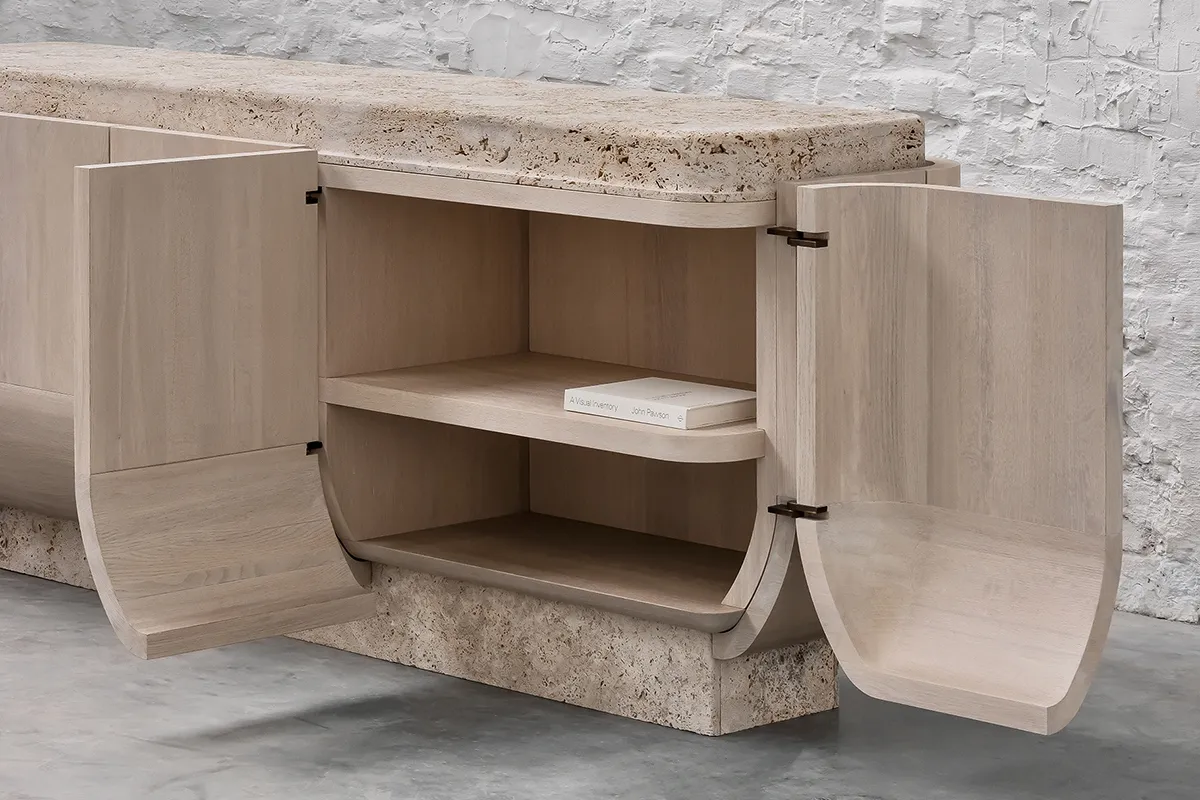
Luyten Interiolizers does not create conventional interiors. The company likes to go a little further, favouring bold designs, exclusive materials and challenging bespoke projects. Furniture is made in-house. Luyten Interiolizers also coordinates complete renovation and construction projects, from demolition to cleaning. Alongside the high-end residential segment, the company serves the retail, office and healthcare sectors. Its own collection of designer furniture, exhibited in galleries in Paris, New York and Sydney, among other cities, has also helped it establish an international presence.
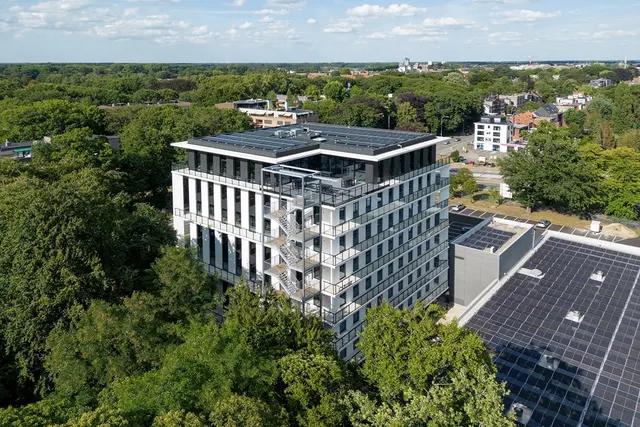
Same site, new building
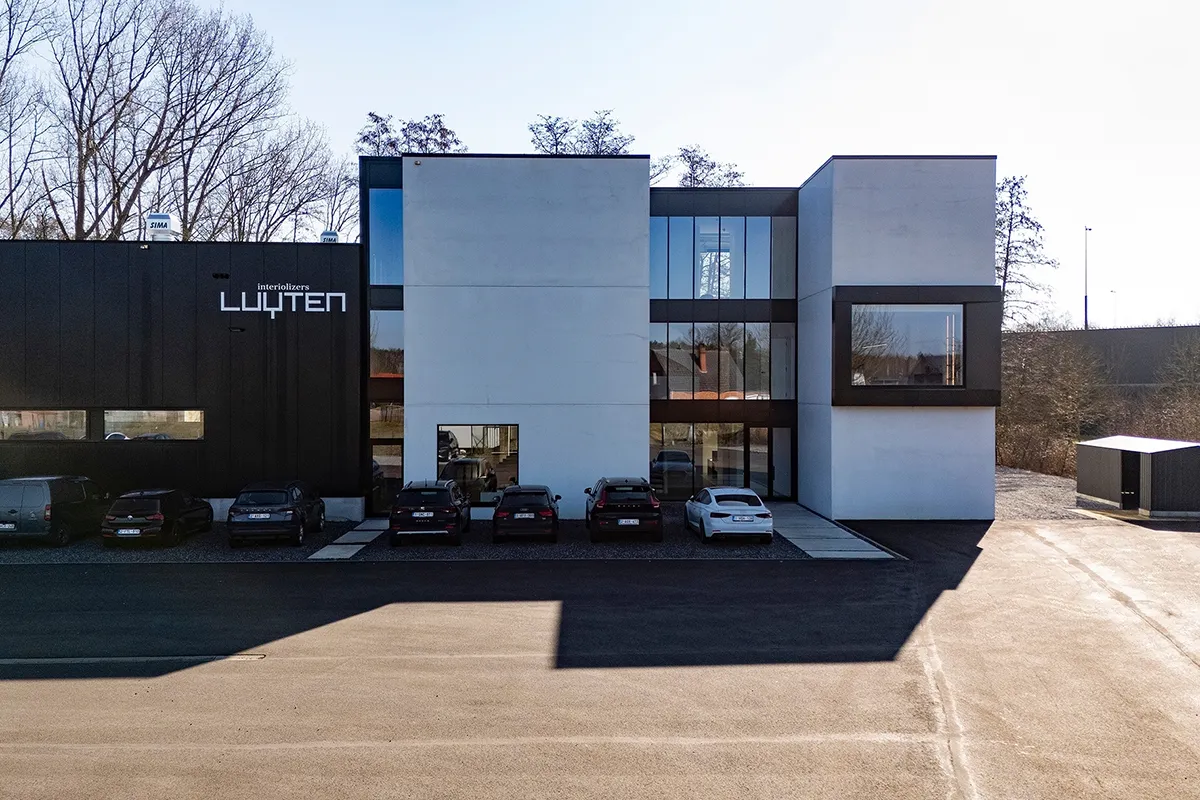
The company was founded in 1969. As is often the case with growing SMEs, its premises were extended over the years, until Luyten reached the limit of what was possible. The time had come to embark on an ambitious project focused on innovation and sustainability.
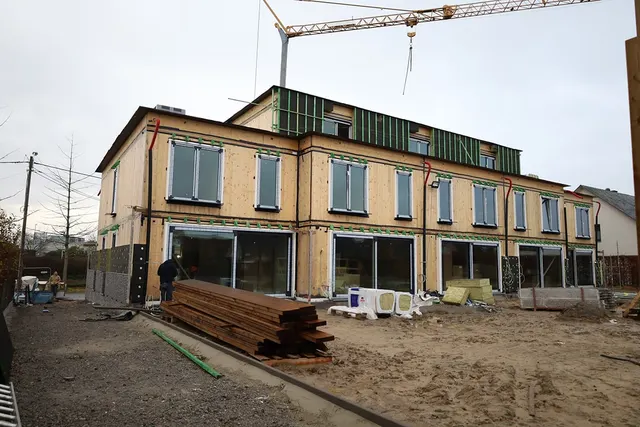
“It all started with the decision to invest in CAD/CAM software and significantly upgrade our machinery, to ensure more efficient and sustainable production,” explains company director Bert Luyten. “We also needed more space, so we completely renovated the company building. As we couldn’t increase the building’s footprint, we built upwards: the sheet-material store, metal store and spray booth were moved upstairs. The offices are spread over three floors.”
No compromises were made on insulation. “Insulation is the foundation of a sustainable building. This building meets the strictest standards. We took a gradual approach to the building services: we implemented what is feasible and cost-effective today, while allowing for a future switch to more sustainable technologies.”
Energy-efficient choices
Underfloor heating was an obvious choice for Luyten. “It is energy-efficient and fully compatible with a heat pump in the future. At present, the system is partly powered by waste heat from our compressor. For now, we use gas to meet our additional heating needs, as a heat pump was not yet cost-effective.” We will probably install one later, along with solar panels on the roof of our production area once it has been renovated. The site’s high-voltage substation is already equipped to allow these technologies to be connected in the future.
Investing wisely in technology
Bert Luyten knows that you cannot do everything at once: “Sustainability is a gradual process. You have to make choices, assess what is financially feasible and take action once you are well informed.” One carefully considered decision was to install an energy-efficient dust extraction system. “We use four motors that start up gradually, so the system runs at the power required, but no more. The investment was higher, but if you can afford it, it is a very smart choice.”
We also invested straight away in a new spray booth. It complies with ATEX regulations and operates without solvents wherever possible, though not entirely, as this technology is still being developed.
“In some cases, water-based products still do not deliver the quality we want,” Bert Luyten explains. This system can also be connected to a heat pump in the future.
Digitalisation and materials management
The CAD/CAM system that kick-started the project was introduced to improve efficiency and save money by making better use of sheet materials. “The system generates optimal cutting plans to minimise waste when we cut the panels. Offcuts go back into the sheet-material store and are reused automatically wherever possible,” Bert Luyten continues.
Sustainability and cost savings go hand in hand: our wood-waste container now takes longer to fill. Waste management is another environmental priority for Luyten, though this is nothing new. What is new, however, is that some clients have stringent waste-processing requirements. “For a project for Chanel, we had to document our on-site waste-sorting procedure in detail and record how many kilos were sent to each processing company,” Bert Luyten says by way of example.
A vision, but no label (yet)
Some clients are already asking whether the company can provide a certification, but for now this is still fairly uncommon. “Some ask for VCA certification, others for an ISO 45001 or ISO 14001 certificate. We have not yet decided which label is most appropriate for us. These certifications are also geared more towards multinationals. SMEs can find it difficult to devote the time and resources needed to obtain them and embed them in the organisation.”
One piece of advice for all professionals: do your research
Operating sustainably means having the courage to make choices. “We are a manufacturing company. Margins are tight and costs are high, so you cannot do everything at once. Start with the obvious choices, such as LED lighting, and move on to bigger investments when you can afford them,” Bert Luyten suggests. Having your own vision is essential. “Ask for advice, but decide for yourself what is feasible and makes sense for your business. There are many options, but ultimately it is up to you to decide which investment will help you move forward.”
One final tip: if, like Luyten, you have a high-voltage substation, check your contracted capacity. “These substations can often supply far more power than you currently need. If you register the full capacity, you end up paying unnecessarily high amounts through the capacity tariff. It is better to declare only what you actually use. That way, you can avoid unnecessary costs.”
Question about this story? Ask your question
Keep following this
Get an email when a new story is published. No account needed.
- ThemeRenovating without erasing heritage
- SubjectSustainable construction