Sustainability: the architect takes a holistic approach
A large proportion of Europe’s population lives in cities, and this trend will only intensify, driven by inevitable densification if we are to preserve undeveloped spaces that are vital to our health. At the same time, the construction sector has a crucial role to play in the ecological transition, given its share of fossil fuel consumption and waste production. Our buildings consume substantial resources both in their design and during their use. The architect can play a key role, alongside all the other project stakeholders, in balancing the many aspects of sustainability on a project-by-project basis, between long-term ambitions and financial objectives.
Every project is different. The architect must therefore work with all parties to establish a vision that reflects the specific challenges of the project. A holistic approach to sustainability is essential if we are to make a positive impact on the environment.
It is difficult to meet all sustainability objectives to the highest possible standard, whether in terms of energy performance, the responsible use of space, mobility, biodiversity or the choice of materials. The various parameters need to be adjusted on the basis of an overall analysis of the project. This is particularly complex, even though tools are available. GRO, a tool for assessing sustainability and circularity, is currently being developed for use in all 3 regions.
A comprehensive method for analysing the building in its urban context is needed to make the right choices from the design stage onwards and build sustainably, with overall coherence in mind. Above all, we must not settle for giving a project a ‘green’ image. For me, sustainability is now essential to any high-quality architectural design. Putting it into practice requires in-depth work.
As architects, and as citizens, we need to reconsider the relationship between built-up areas and open space. Densifying urban centres and building higher will create new opportunities to improve the quality of the landscape and urban spaces for everyone’s benefit.
There are no ready-made solutions in this complex ecosystem. Every project deserves a holistic, non-dogmatic approach to sustainability. A conventional approach is no longer appropriate, and a change in mindset is needed. The public authorities must actively encourage this.
Architects are well placed to find a balance between the ambitions of some and the interests of others.
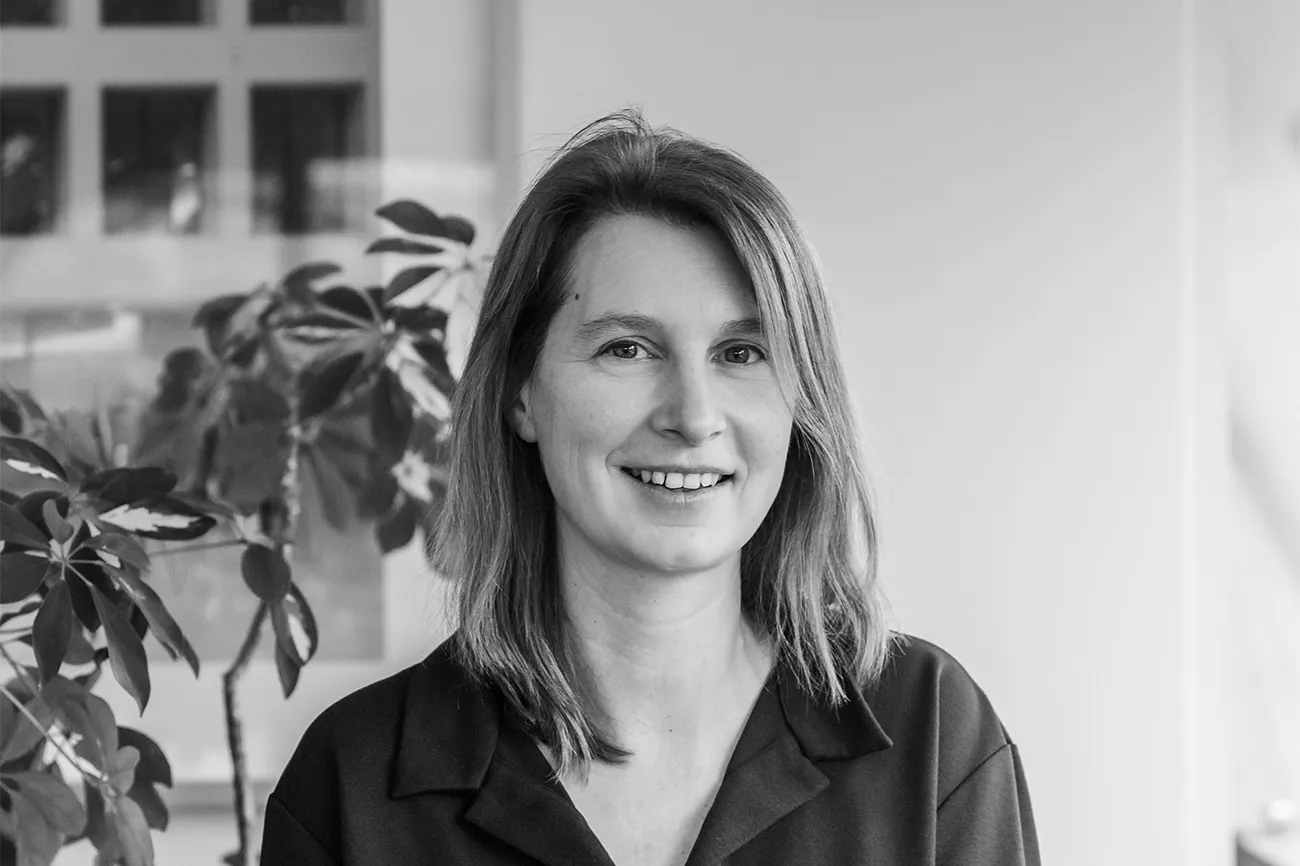
Salima Kuen, partner architect at assar architects
Question about this story? Ask your question
Keep following this
Get an email when a new story is published. No account needed.
- SubjectCarte blanche