The world’s most sustainable architectural zinc, with a low carbon footprint
Texte : Luc Ophals | Photos : RHEINZINK
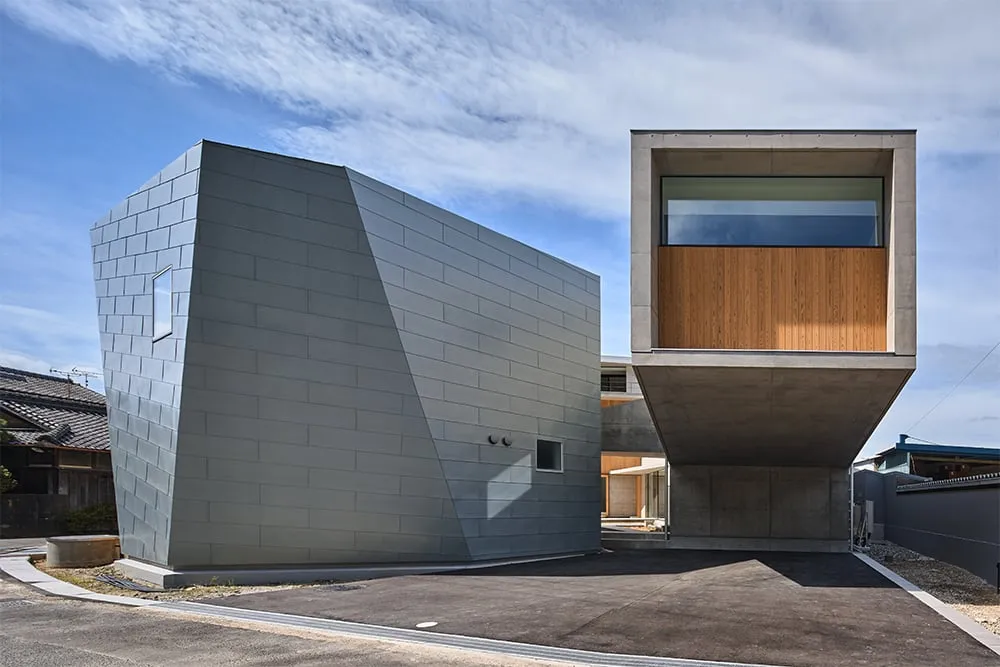
For more than fifty years, RHEINZINK, the German specialist and global leader in architectural zinc, has designed and manufactured products that are 100% recyclable and exceptionally long-lasting. In line with the company’s environmental commitment, they also boast an excellent environmental profile. In recent months, a major milestone has been reached with the launch of the new prePATINA range, renamed prePATINA ECO ZINC, which halves the product’s carbon footprint. The company now offers the world’s most sustainable and environmentally friendly zinc.
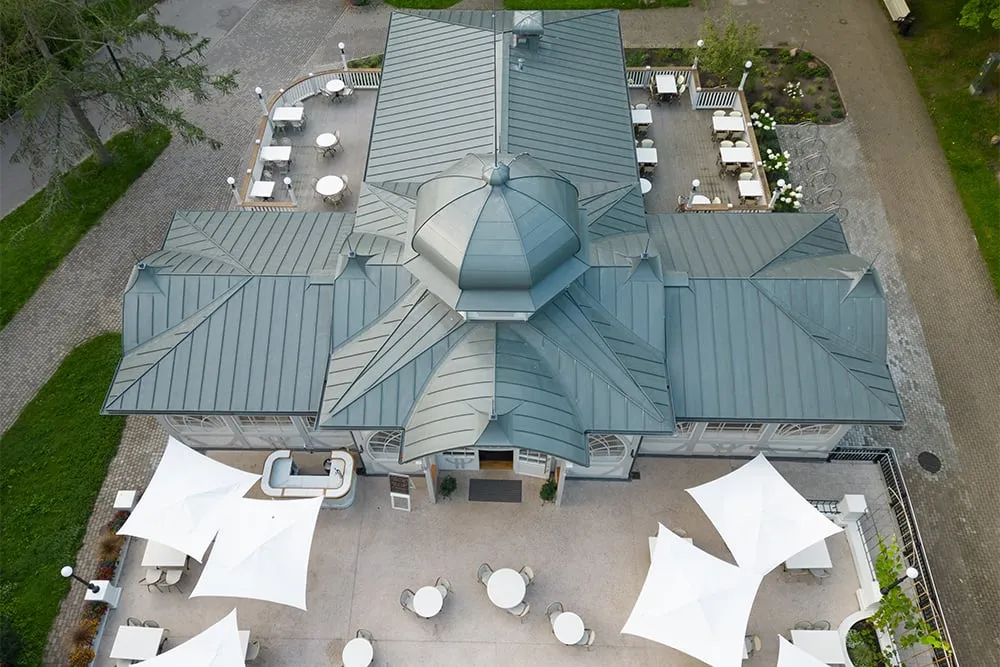
With climate neutrality targets for 2050 in view, the construction sector must intensify research, adopt more durable solutions, radically cut carbon emissions and maximise the durability of the materials it uses. This has been at the heart of the environmental commitment of RHEINZINK, the world’s leading architectural zinc producer, for decades.
Low-carbon production
With its continually improving titanium-zinc ranges, the company offers the ideal material for sustainable architecture. Its products are available in the CLASSIC, GRANUM, PRISMO and prePATINA ranges. Did you know, for example, that prePATINA has a carbon footprint of just 3.99 kg per kg of zinc, compared with no less than 6.85 kg of carbon per kg of aluminium?
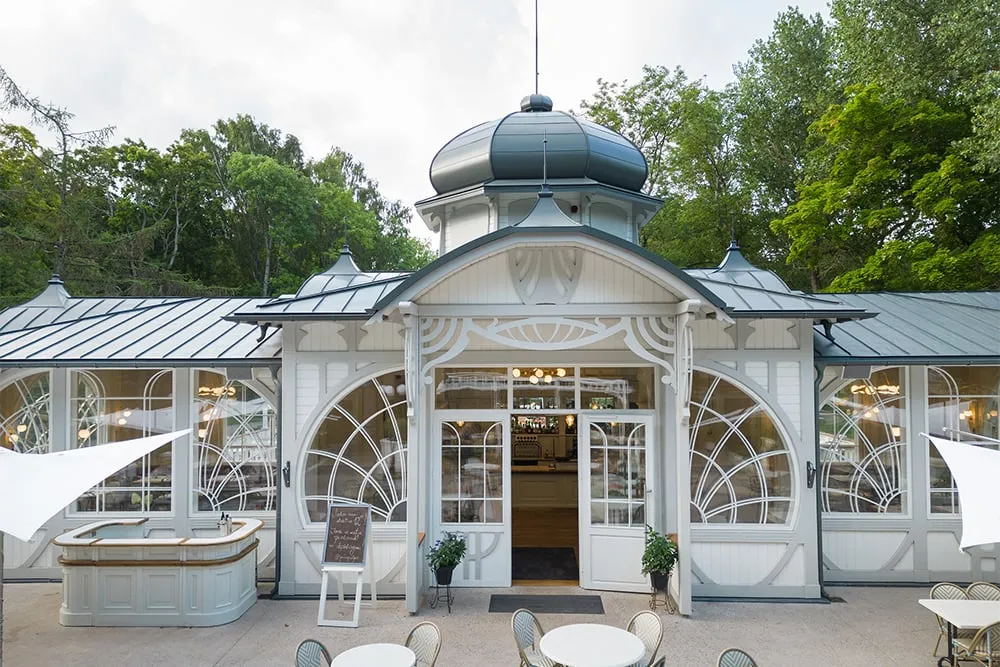
True to its slogan, “Always better”, RHEINZINK has recently set a remarkable new benchmark by halving its carbon footprint once again: the brand-new prePATINA ECO ZINC range has a footprint of just 1.85 kg of carbon per kg of zinc. Fabrice Michaux, Regional Sales Director Belgium & Luxembourg, confirms: “We are the only manufacturer in the world to use this zinc, with 50% less carbon. Like its predecessor, our new prePATINA ECO ZINC range features a natural patina created at the factory by immersing the zinc in an acid bath. It is available in prePATINA bright (Blue-Grey) or prePATINA slate (Graphite-Grey). The first finish has a transparent, fingerprint-resistant coating over the titanium-zinc-copper alloy to protect the material’s appearance when handled with bare hands. The second version gets its slate colour from a higher copper content, while remaining within the 1% limit set by EN 988. If the surface is lightly scratched, the zinc self-heals and its natural patina is restored.”
Certified environmental benefits
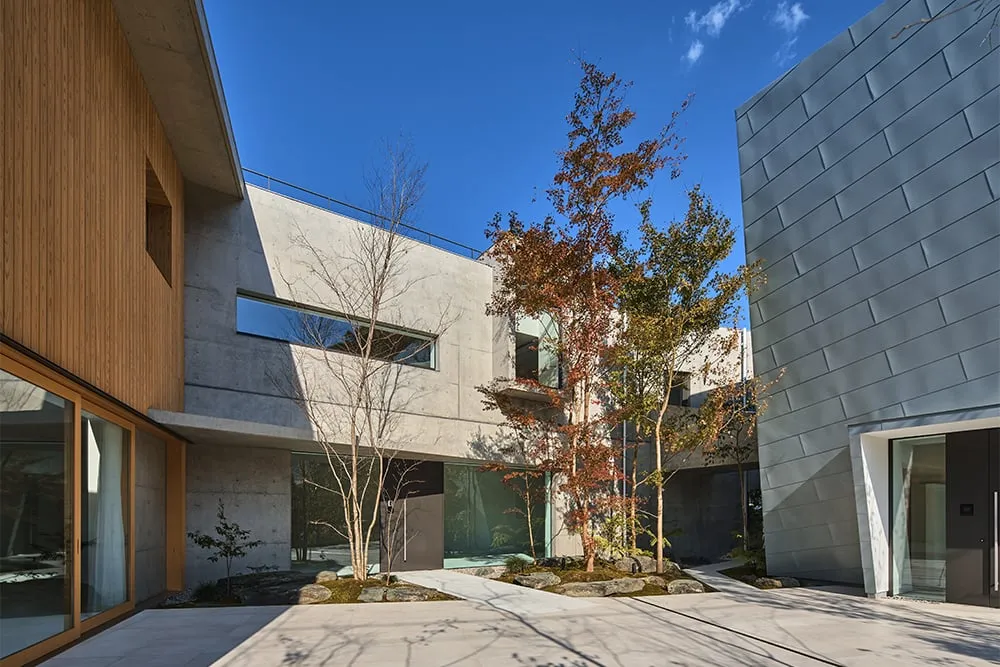
The titanium-copper-zinc alloy produced by RHEINZINK stands out for its exceptional longevity and full recyclability, backed by proven quality certified by several reputable organisations. The alloy has carried the “Cradle-to-Cradle” label since 2009.
After use, RHEINZINK titanium-zinc can be collected and sorted with ease, then reused indefinitely without any loss of quality.
The company’s environmental commitment is demonstrated throughout the product life cycle. As Fabrice Michaux explains: “Zinc extraction is an energy-intensive process. Our Scandinavian supplier of fine zinc, 90% of which we use in our prePATINA ECO ZINC range, consumes no fossil energy, relying solely on renewable energy, mainly hydropower. At the end of the production process, an external audit confirmed that the total carbon footprint had indeed been reduced by 50%. In addition, old zinc is collected and recycled within the Grillo group, to which RHEINZINK belongs, and all our waste is sent back to a smelter for reuse.”
Fabrice Michaux adds: “We do more than increase the proportion of recyclable material in our products as much as possible. We also promote installation methods that are as environmentally friendly as possible. For example, we replace highly polluting lead with malleable zinc for flashing around chimneys, dormers and walls where they meet the roof covering. It is a 100% environmentally friendly product that is also easier to work with.”
Question about this story? Ask your question
Keep following this
Get an email when a new story is published. No account needed.
- ThemeBuilding with fewer resources
- SubjectExterior