The future is on the roof
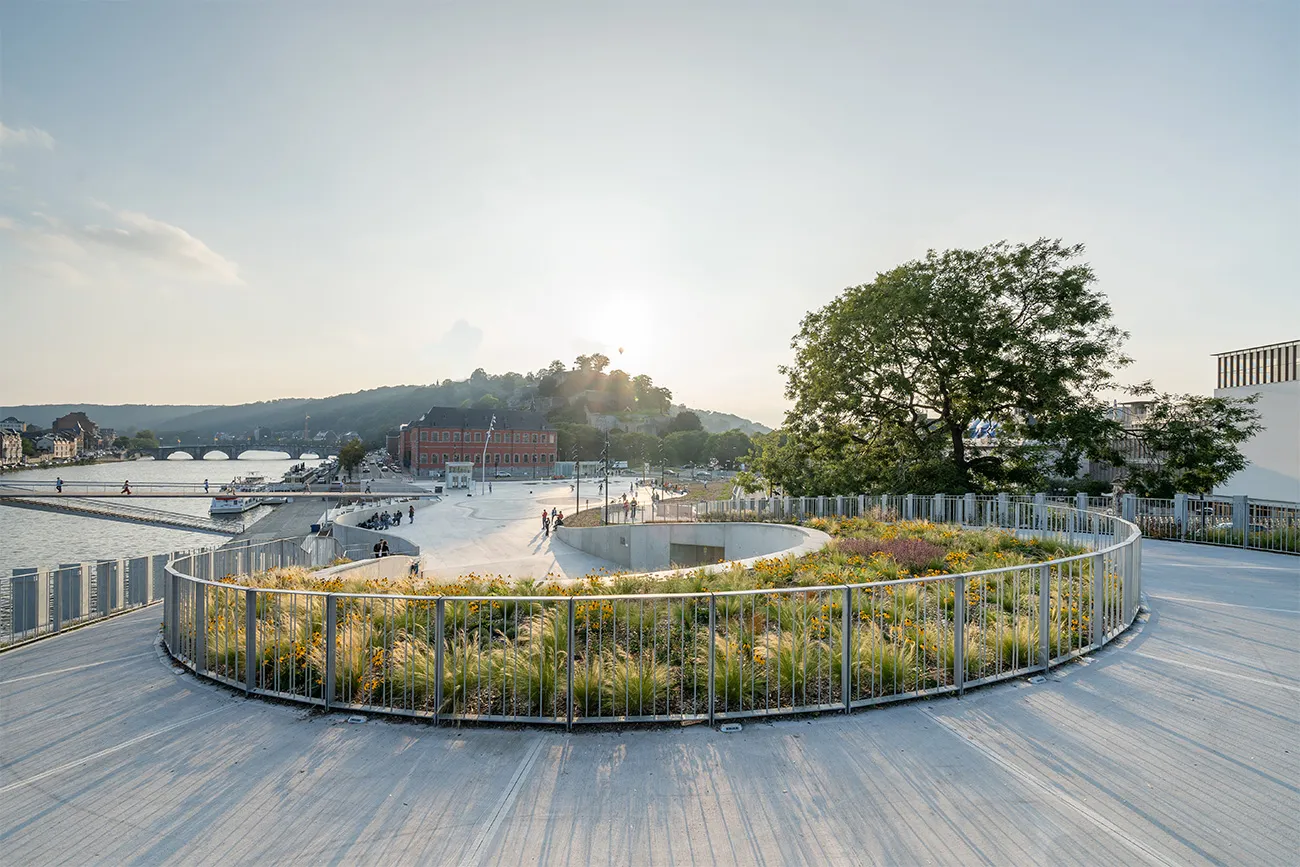
Green roofs or blue roofs…
Roof terraces and roof gardens are increasingly springing up on urban (flat) roofs. It’s very much of the moment. Municipal authorities are encouraging, and in some cases requiring, the greening of flat roofs in our towns and cities. And a green roof project of this kind undoubtedly calls for specialist expertise. Floratoit, based in Namur, is one such specialist, as are its partners. For a magnificent green roof project at the Grognon site in Namur, Floratoit joined forces with architectural practice BEE architect, also based in the Namur region, more precisely in Beez.
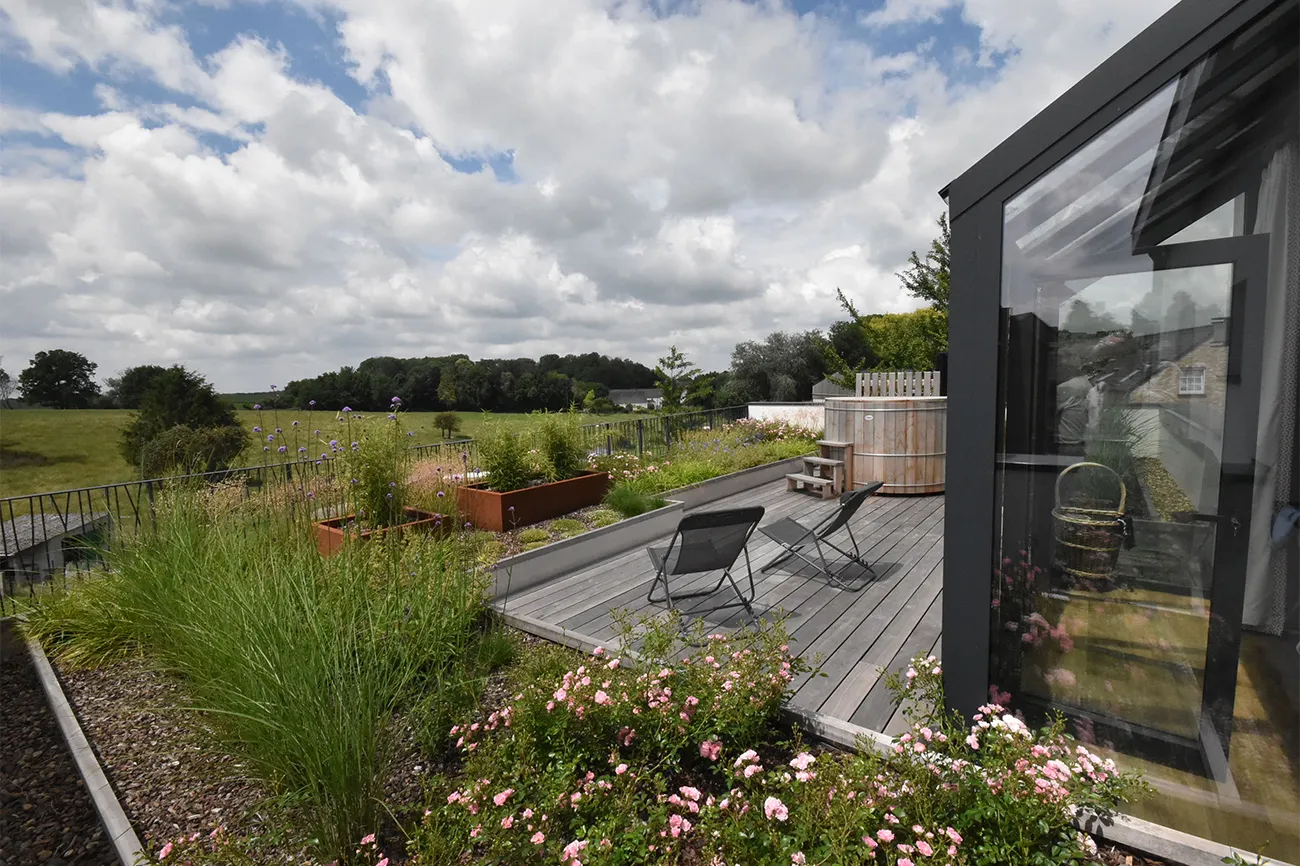
A touch of chance, and a great deal of passion
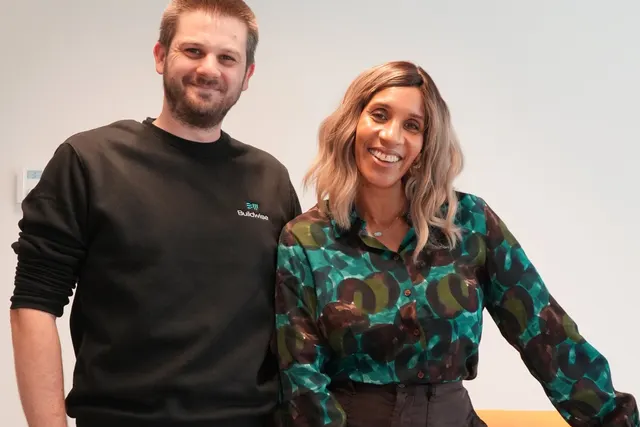
When Sophie Bourmanne took over the company five years ago, she quickly realised the scale of the challenge ahead. She took a closer look at the green roof market and analysed it in greater detail, in order to build her knowledge and surround herself with the right people. “In fact, I started from scratch. Very soon, I was put in touch with ZinCo, a leading name in the sector,” she says.
As her passion for the sector grew, the managing director wanted to go further. Undaunted by challenges, she gradually turned her attention to more complex, more technical projects, while continuing to deepen her knowledge of extensive, semi-intensive and intensive green roofs.
A clear surge in interest
“Today, we are receiving more and more enquiries. We still work for private clients looking to create a roof terrace, but we are increasingly being approached for larger-scale projects. Public authorities are encouraging green roof initiatives, and that’s a good thing: they help prevent sewers from becoming overwhelmed during heavy rain, protect the waterproofing membrane, improve a building’s thermal and acoustic insulation, and promote biodiversity on roofs,” explains Sophie Bourmanne.
“But it’s important to understand that designing and installing a green roof is a specialist trade in its own right. Increasingly, it involves collaboration between the landscape architect, our technical team, the botanist and our partner ZinCo’s technical team,” she adds.
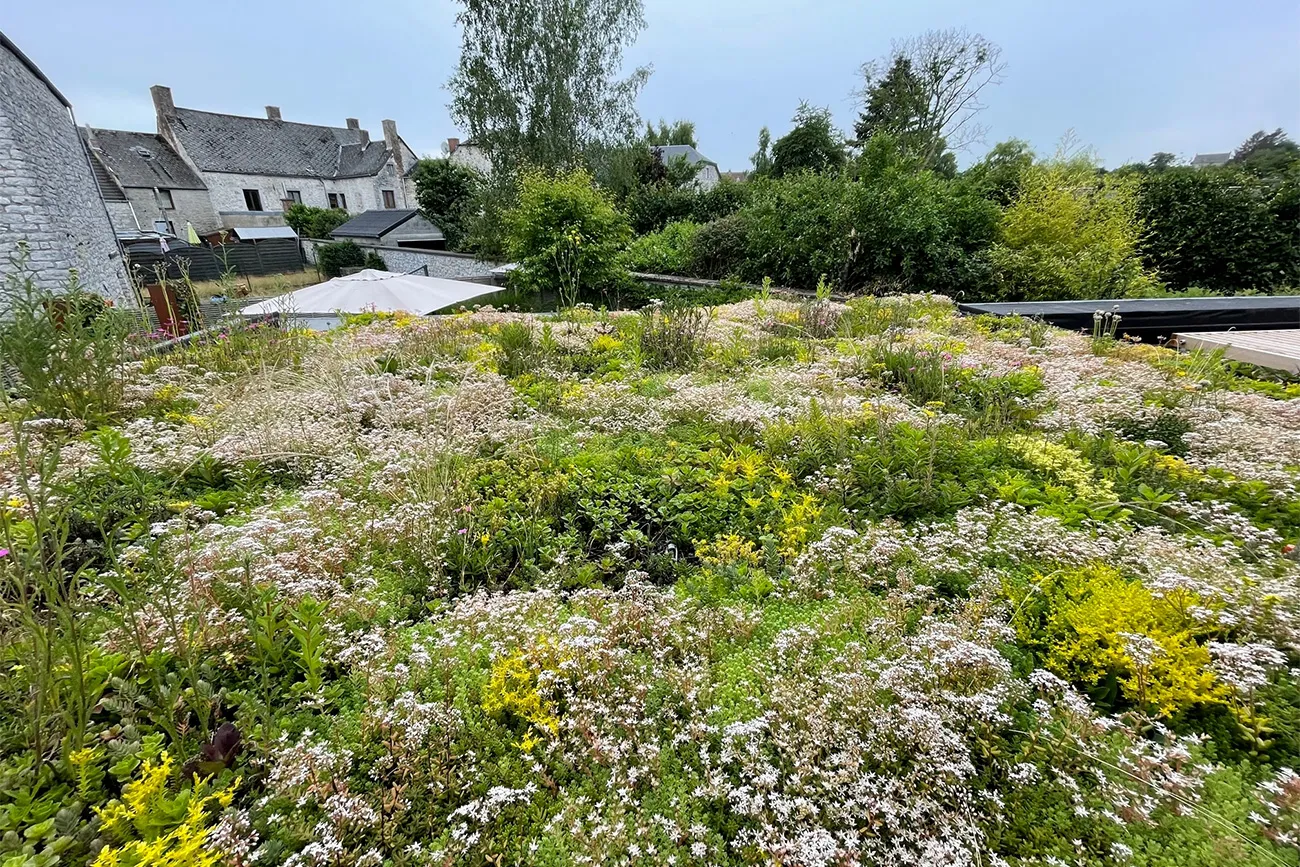
A fine example of a semi-intensive green roof: NID Grognon in Namur
The partnership between BEE architect and Floratoit on the semi-intensive green roof project came about at the initiative of JNC International, which was responsible for redesigning the Grognon esplanade, and contractor De Graeve. “What made the project unusual was that the roof sections varied, with some fairly steep pitches, and the concrete walkway across the roof interrupted the natural flow of water. We had to ensure long-term waterproofing and make sure that water collected upstream in the planted areas could drain beneath the walkway via a drainage system, then continue on its way through the planted lower section of the roof,” says Philippe de Menten, architect at BEE architect. “That first collaboration was a success. Despite the drought in 2020, the plants survived well, thanks in particular to the water retention system and effective drainage. It was such a success that we teamed up again for another project at Namur aerodrome,” adds Philippe de Menten.
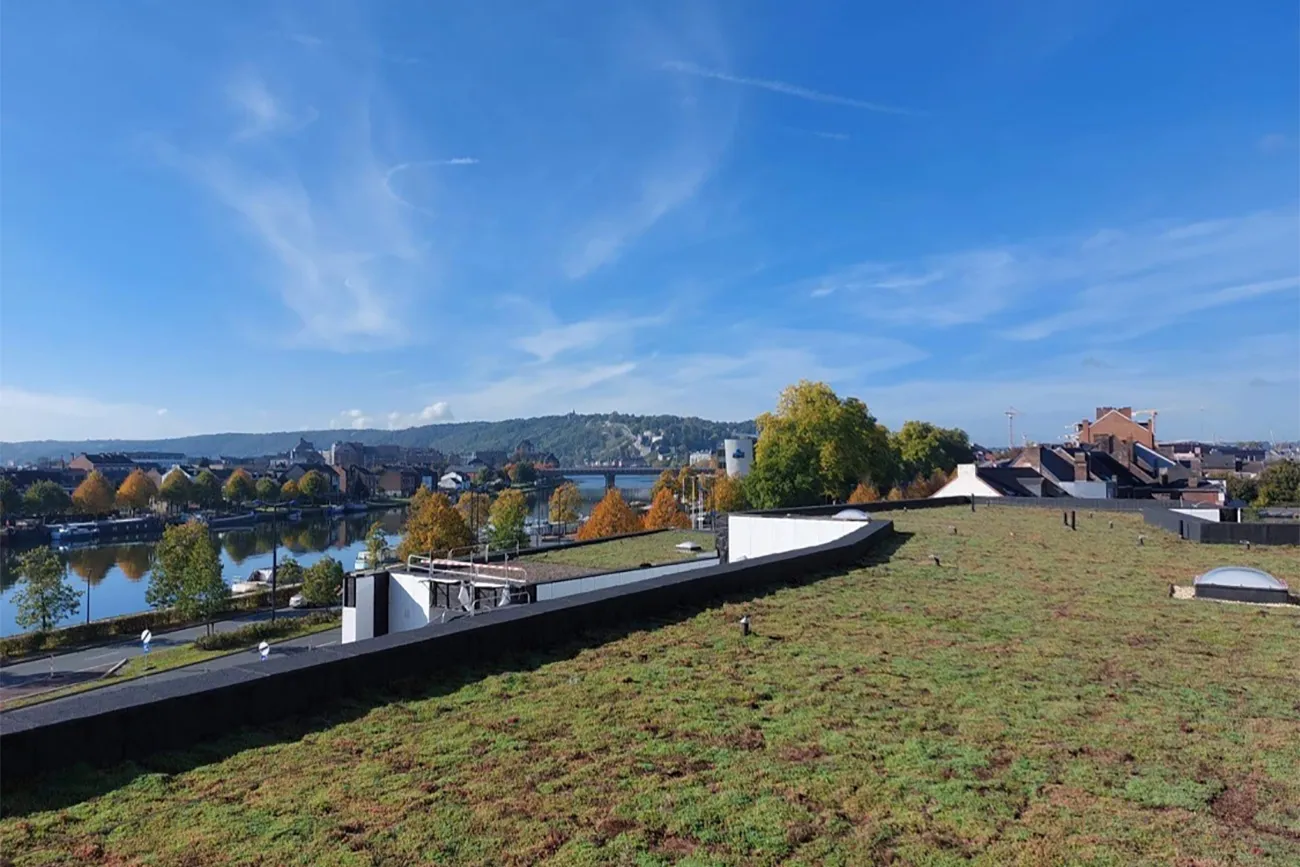
What does the future hold?
“Although we are seeing a clear percentage increase in the number of projects, the future undoubtedly lies in blue roofs, in other words, green roofs built over a water storage tank. With cities so heavily built up, roofs can act as a buffer, slowing and regulating the flow of water into the sewer network during severe storms. One cubic metre of substrate can hold 450 litres of water,” concludes Sophie Bourmanne.
Question about this story? Ask your question
Keep following this
Get an email when a new story is published. No account needed.
- ThemeHigh-performance façades and roofs
- SubjectNews