Industry players show how innovation brings together sustainability, comfort and design
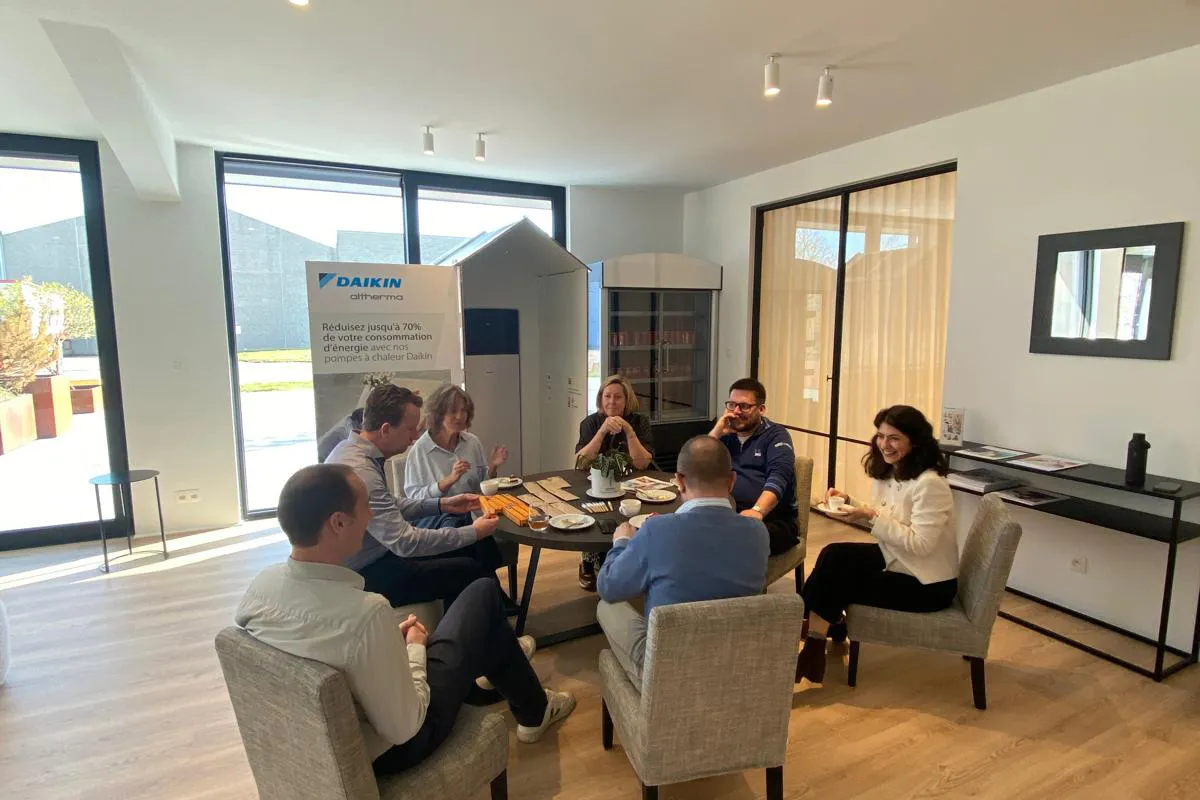
Residential innovations in the spotlight at the Building Together Press Tour
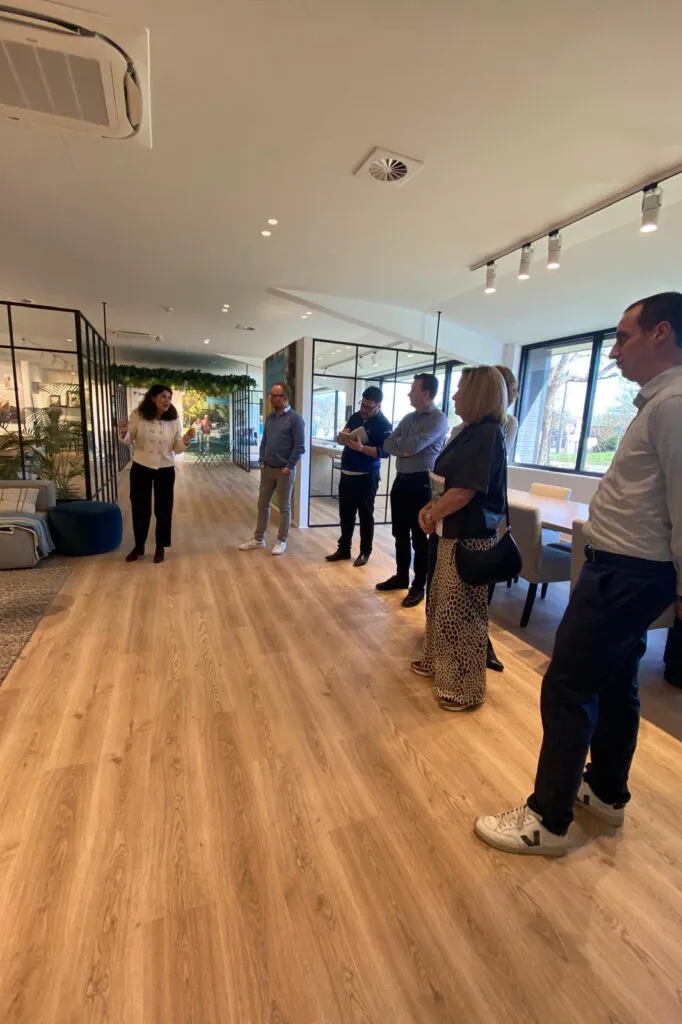
During the Building Together Press Tour on 4 March, journalists were given an exclusive behind-the-scenes look at the latest developments in the construction and housing sector. Organised by communications agency Two Cents, the initiative brought together several leading players around one central question: how can homes be made more sustainable, comfortable and attractive?
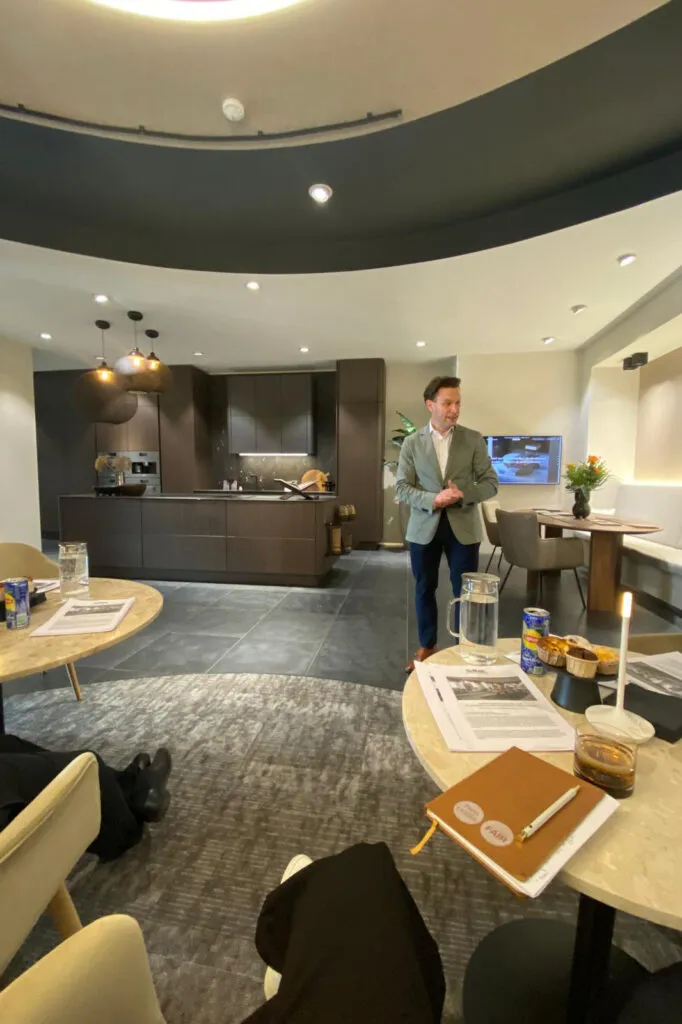
Visits to various showrooms and projects went far beyond a conventional product presentation. Companies demonstrated how their innovations address ever-changing requirements for energy performance, regulation and design.
Reliability, key to the energy transition
One of the main themes was the role of heating in the energy transition. Daikin highlighted reliability as the key factor in the widespread adoption of heat pumps. With its Altherma 4 H, which runs on the natural refrigerant propane (R290), the company is specifically targeting renovations and existing homes. The system combines high performance with quiet operation and is compatible with conventional radiators, lowering the barrier to replacing fossil-fuel systems.
According to Daikin, the key lies not only in energy efficiency, but in a holistic approach that also takes in installation quality, safety and service. Digital monitoring and support for installers are intended to build confidence among end users.
Architecture and sustainability go hand in hand
Exterior joinery is also evolving to meet more demanding requirements. At a project on the Nouveau Marché aux Grains in Brussels, Deceuninck showed how innovative PVC profiles can be integrated into a historic urban setting. Working with the architect and developer, the company developed a hybrid solution that combines visual appeal with high technical performance.
Notably, sustainability played a decisive role in securing planning permission. Transparent communication about the recyclability and circular properties of PVC helped the project overcome the authorities’ initial reservations. This shows just how closely material innovation and regulation are now linked.
Smart management of water and indoor climate
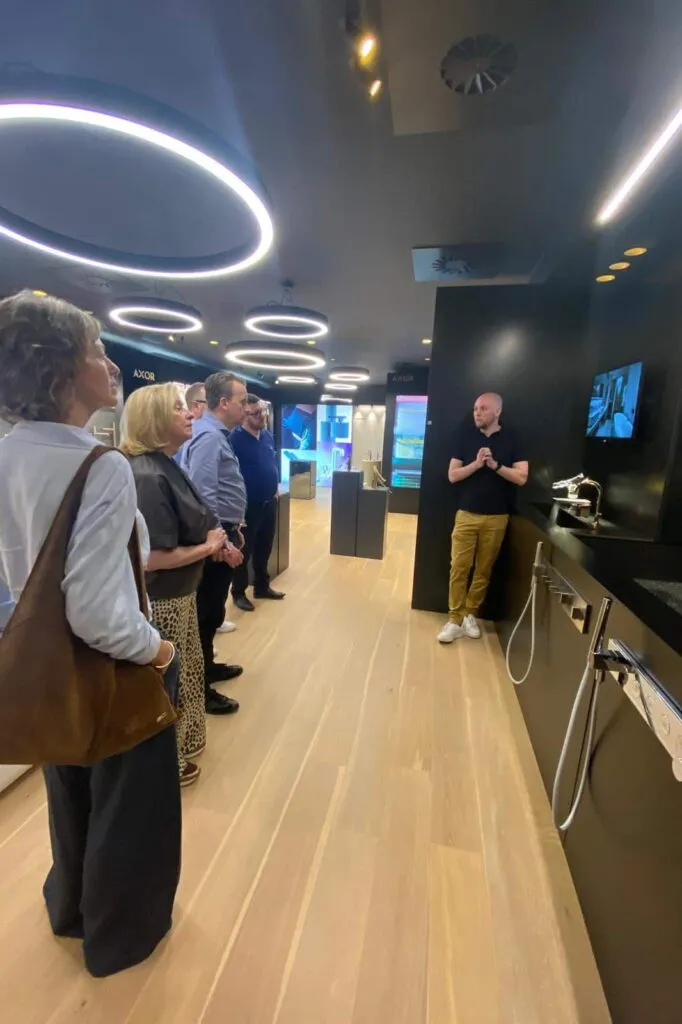
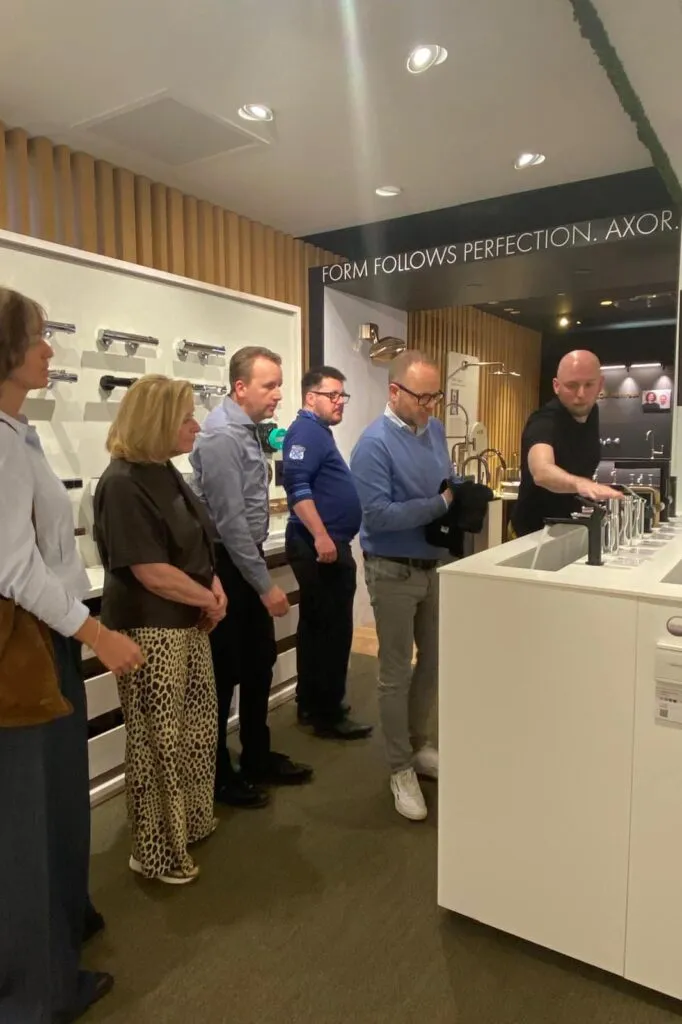
Water consumption was also in the spotlight, alongside energy. With water prices rising and awareness of sustainability growing, pressure is mounting to use water more efficiently without compromising comfort. Bathrooms account for a significant share of household consumption, making them an area with considerable potential.
Hansgrohe is addressing this with technologies such as EcoSmart, which automatically limits the flow rate of taps and showers; AirPower, which enriches water with air for a fuller spray; and CoolStart, which avoids unnecessary use of hot water. These smart sanitary solutions show that saving water and energy can go hand in hand with user comfort.
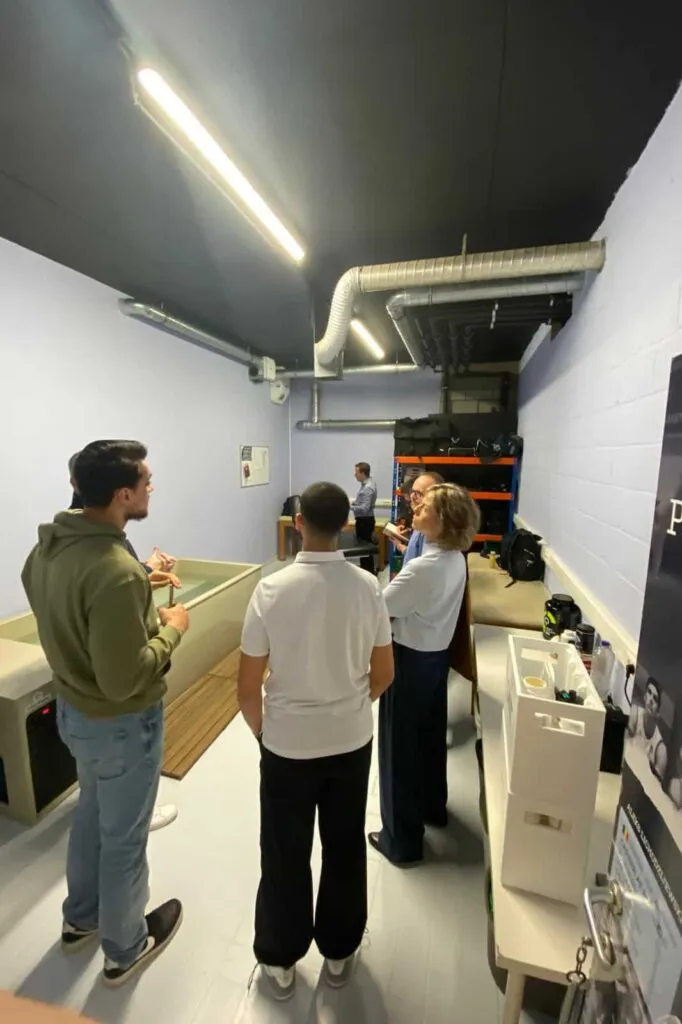
Indoor climate is another important consideration. Murprotec demonstrated how ventilation systems help create healthier spaces, particularly in sports facilities. At the Brussels Basketball training centre, a continuous supply of fresh air improves performance and comfort for players and staff.
Renovation as a growth market
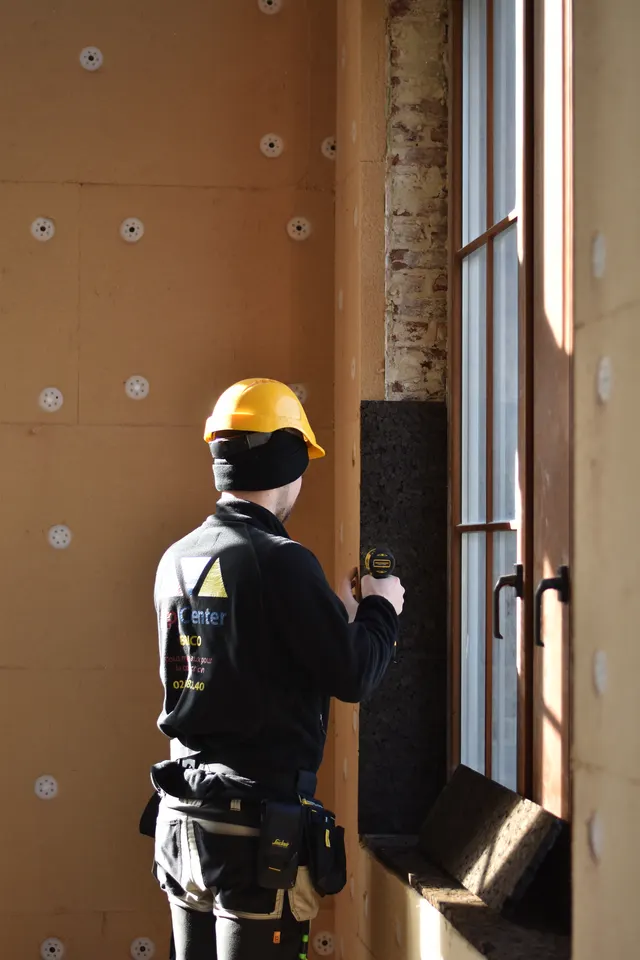
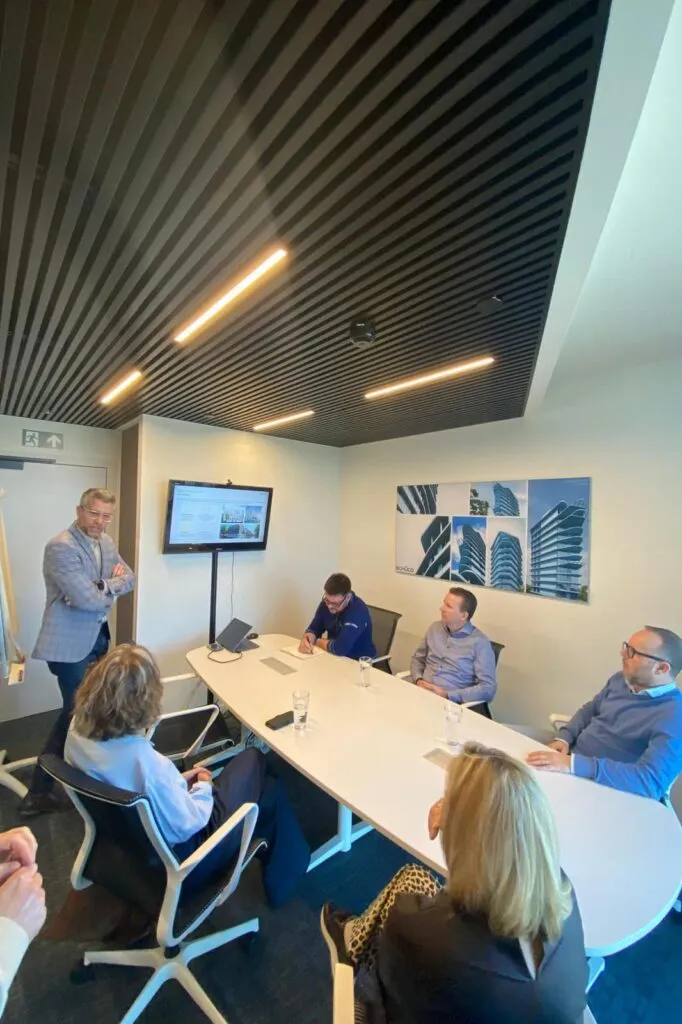
Renovation remains a key lever for decarbonising the building stock, particularly in a European context where existing buildings must rapidly meet stricter energy requirements. Schüco is responding with a window and door system that respects classical architecture while incorporating contemporary standards for insulation, comfort and security.
With slim profiles, a range of style options and thermal performance achieving a Uf value of 1.4 W/m²K, the system gives architects and contractors the flexibility to modernise existing buildings without compromising their appearance. The result is a balance between heritage preservation and energy efficiency, an increasingly important combination in renovation projects.
Design and materials as a selling point
This balance between aesthetics and functionality is also evident in other areas of the home. In 2026, SieMatic is making colour and materiality key design tools in kitchen architecture. With sixteen new colours, five new surface materials and refinements to existing ranges, including the award-winning SG6, the brand is increasingly positioning the kitchen as a living space in its own right, with a distinct identity.
The introduction of dark wood species and subtle material combinations illustrates how design is evolving beyond the visual to become tactile and experiential, while retaining clean architectural lines.
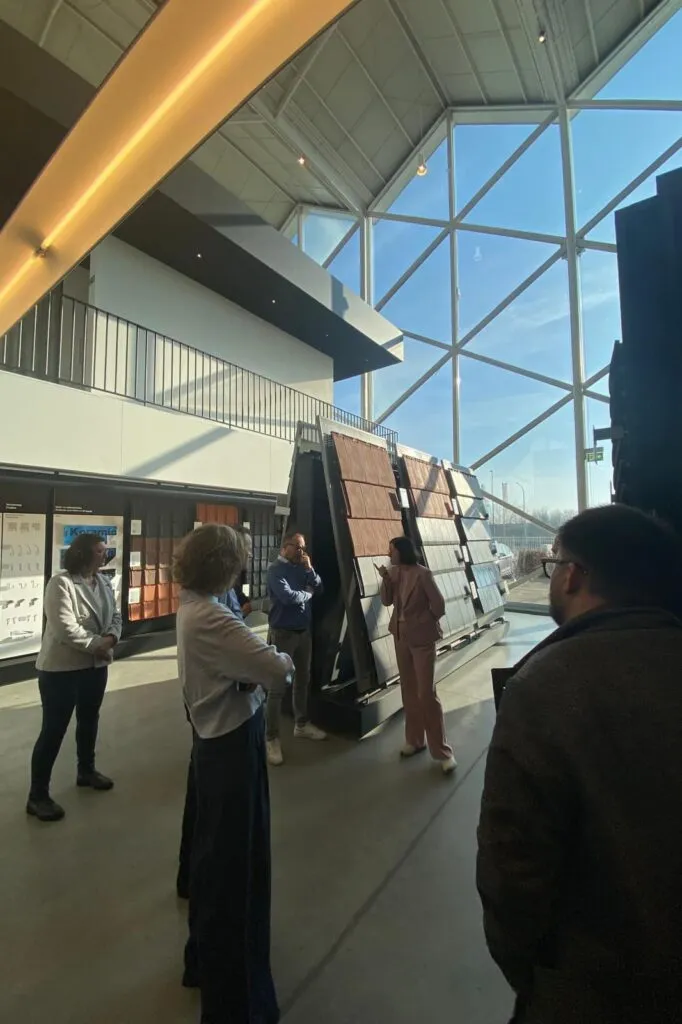
The combination of aesthetics and performance is also evident at roof level. Wienerberger is expanding the colour palette of its Elfino ceramic tile with two new ‘dune sand’ shades, meeting demand for warm, natural colours while offering greater design freedom. Combining light and dark variants creates a contemporary patchwork effect, giving roofs a more dynamic character.
The technical benefits remain intact: the tile combines the elegance of slate with the durability, weather resistance and ease of installation of ceramic. It is therefore a future-oriented alternative for both new-build and renovation projects, particularly in light of the ambition to create an asbestos-free building stock.
Stronger together through communication
The Building Together Press Tour shows how collaboration between companies can boost the visibility and impact of innovation. By bringing together different areas of expertise in a coherent narrative, it offers a broader view of the future of housing.
The conclusion is clear: the future of housing depends on integrated solutions in which technology, sustainability and design reinforce one another. Initiatives such as Building Together make this evolution tangible.
Question about this story? Ask your question
Companies in this story

Keep following this
Get an email when a new story is published. No account needed.
- SubjectNews
- CompanySieMatic