Contemporary interior design. The return of panelling
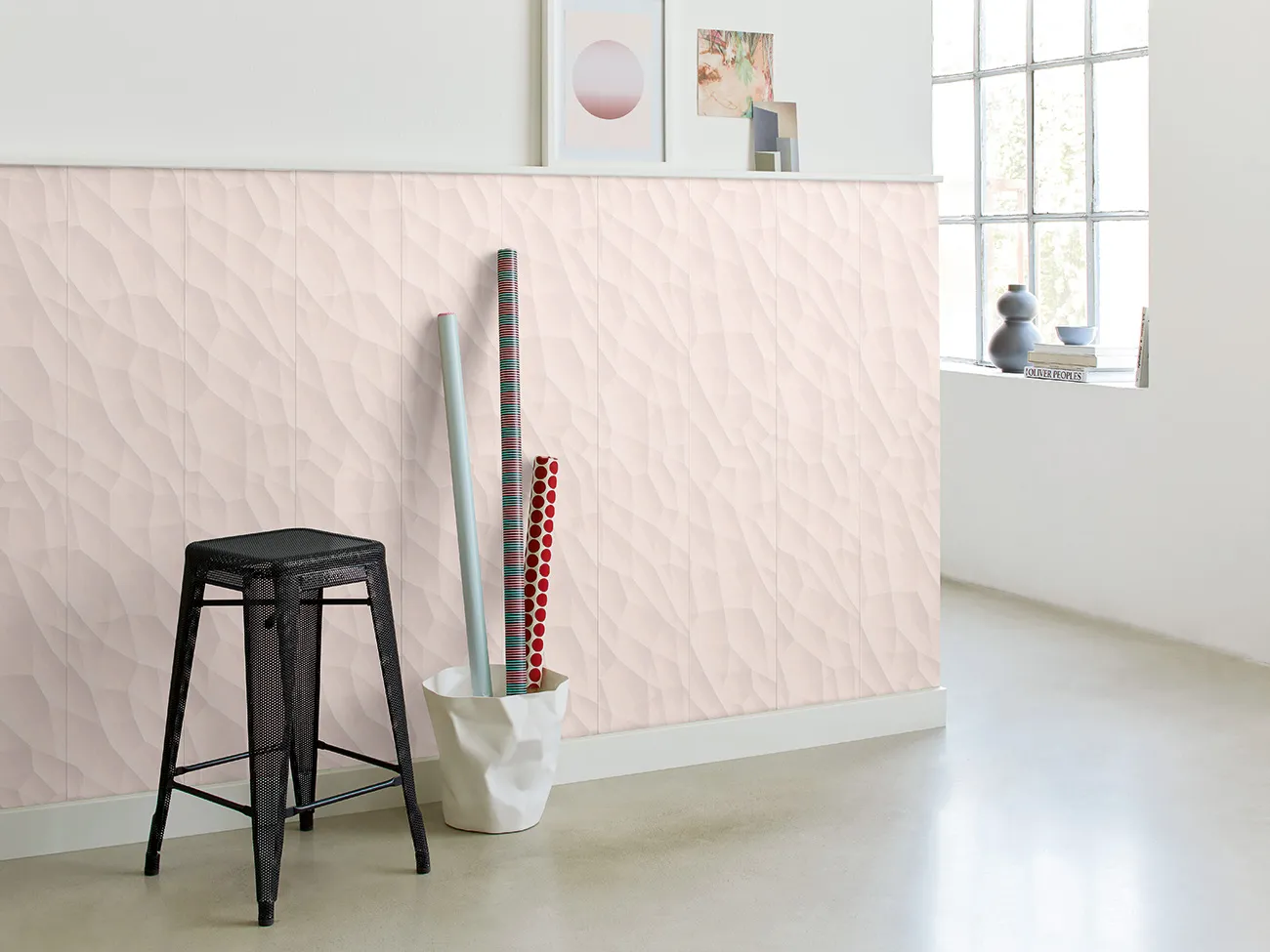
In the 1970s and 1980s, ceiling panelling was a must-have in interior design. Whether understated white or with a natural wood finish, it brought a welcoming feel to rooms and served practical purposes, for example when renovating older buildings. But classic wall and ceiling panelling subsequently fell out of fashion, gradually acquiring an image as a rustic, dusty product. Today, wood panelling is making a strong comeback and is once again a favourite among interior designers seeking contemporary design and modernity.
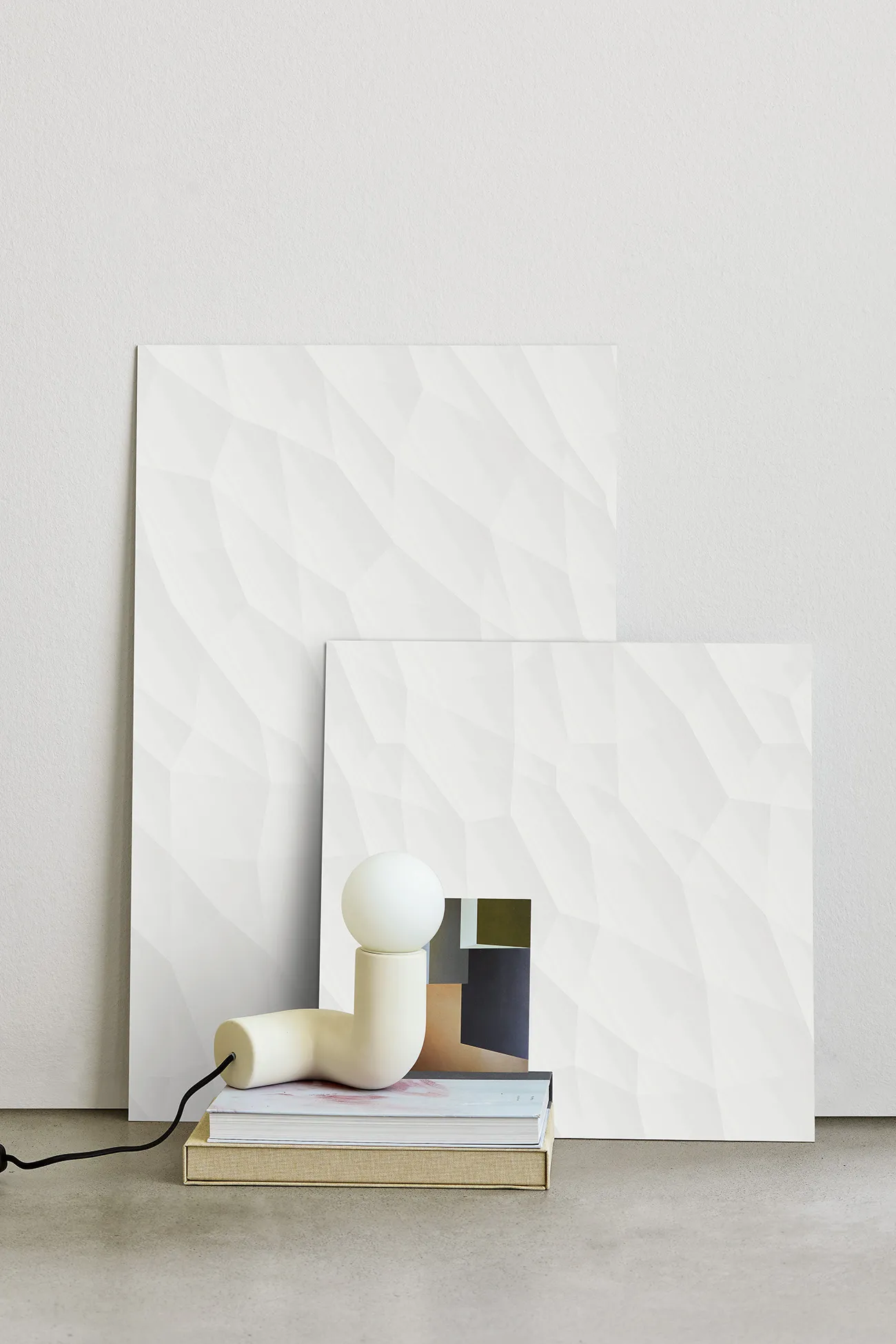
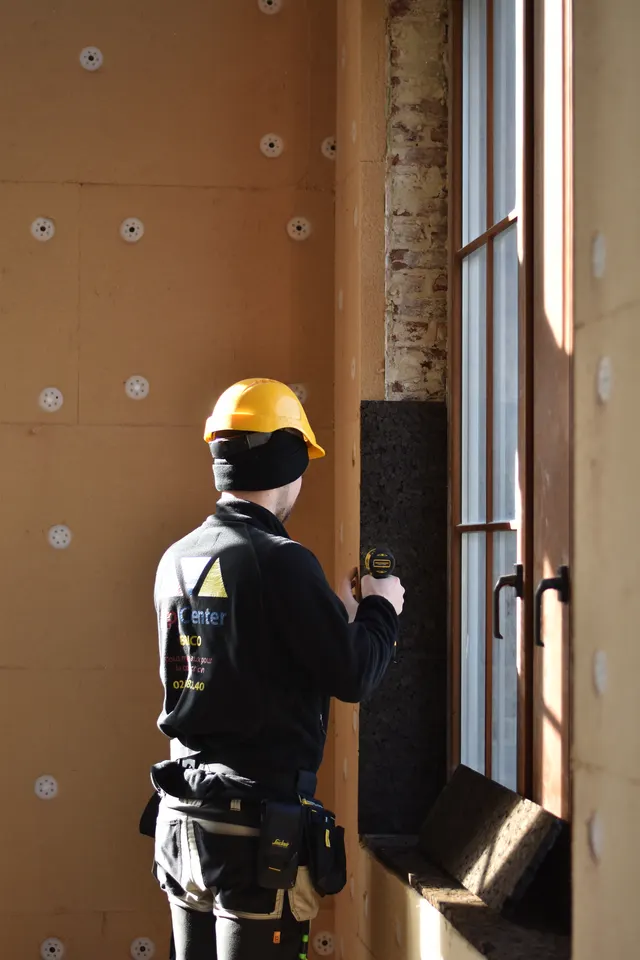
“As part of the enduring retro trend, panelling is also making a comeback,” says Christian Ebbing, Product Manager for Walls, Ceilings and Accessories at Parador. There are plenty of ways to use and design it. “On the one hand, wall decoration is generally a major focus at the moment. On the other, the property boom is driving demand for quick, smart solutions, particularly for older buildings and renovation projects,” the specialist explains. The relative ease of installing panelling solutions is a key factor. In addition, panelling with sound-absorbing properties makes an important contribution to sound insulation in older buildings.
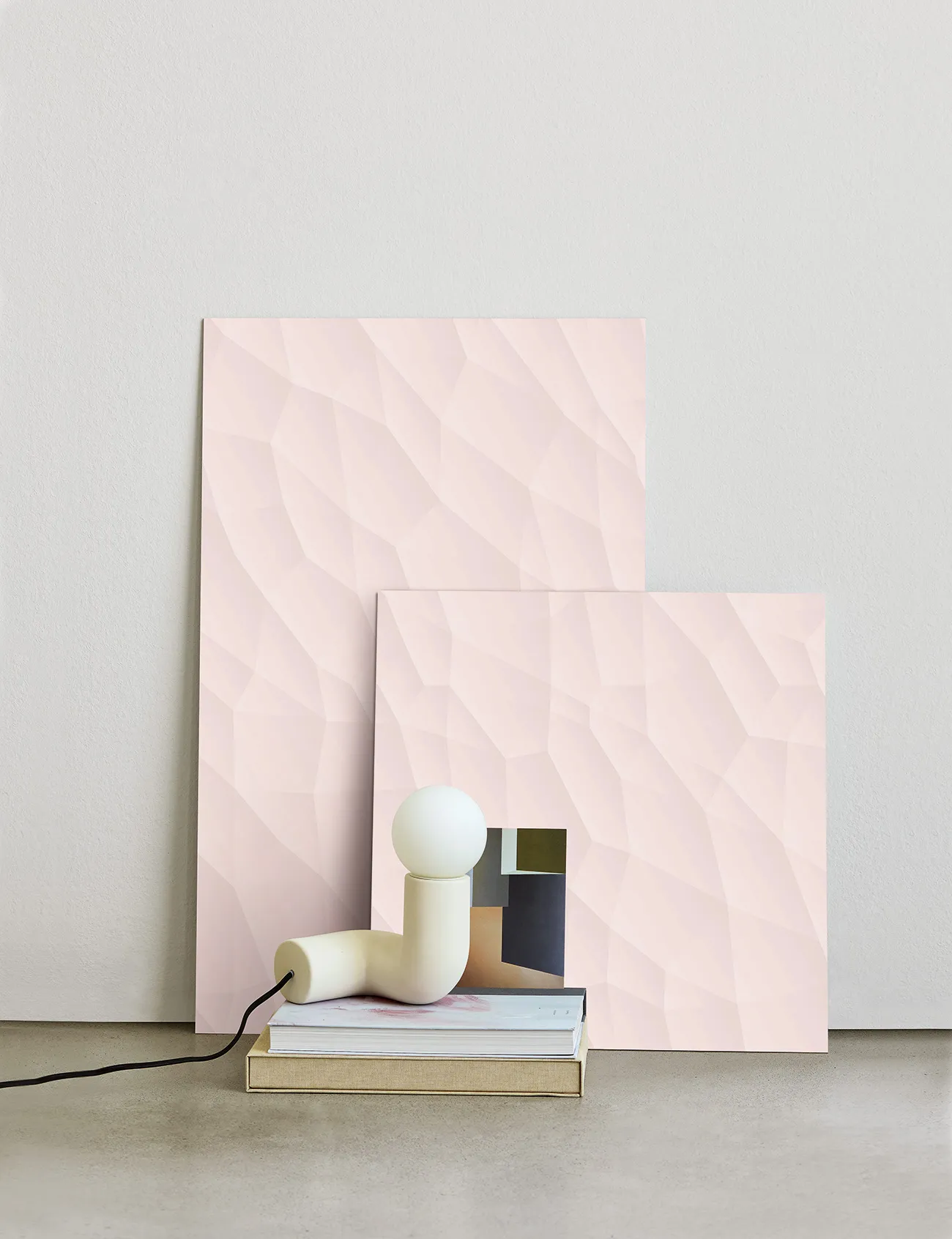
Whereas panelling was often once used across entire surfaces, sometimes creating a heavy, almost enclosed feel, today it is used to highlight specific areas. Expressive designs, such as “Polygone Iconics” in grey and powder tones from Parador’s RapidoClick product line, are primarily used to draw the eye. Inspired by the Japanese art of origami, the fine design is three-dimensional and recalls the cracked effect of ceramic tiles. The interplay of elegant lines, soft angles and lively yet subtle colours creates a sense of lightness that brings a cheerful mood to the room.
Trend-conscious consumers are increasingly opting for real wood panelling, which looks particularly natural yet elegant, making it ideally suited to the much-loved Scandinavian style as well as the Midcentury look. The perennial bestseller is also highly popular: white panelling, which adds subtle accents.
“We are currently working on new ideas and concepts to meet the growing demand for products used to decorate walls and ceilings,” reveals Christian Ebbing. The strong growth in this sector last year shows that panelling has moved beyond its niche and is back. Its success story continues.
Question about this story? Ask your question
Keep following this
Get an email when a new story is published. No account needed.
- SubjectNews