Climate-adaptive construction: the key to comfortable living
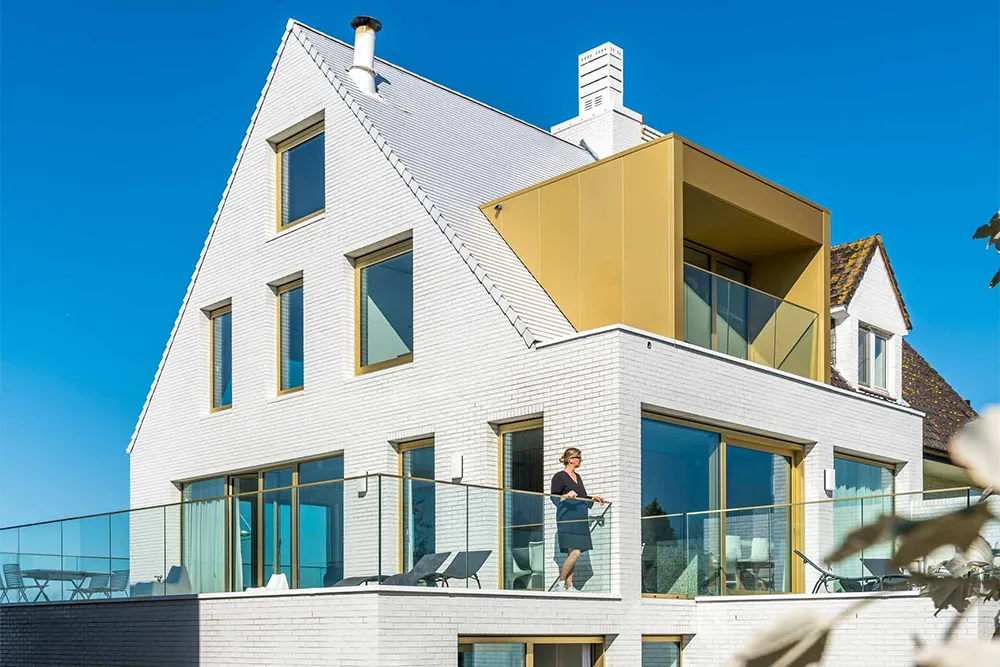
Heatwaves, floods, the loss of plant and animal species: every month, the media publish at least one alarming report on the consequences of climate change… Climate-adaptive construction prepares our buildings and their surroundings for the effects of climate change. Wienerberger is keen to lead the way in this field. The building materials manufacturer not only offers a comprehensive range of products for climate-adaptive and biodiversity-positive construction, but also takes steps to mitigate the impact of its production processes.
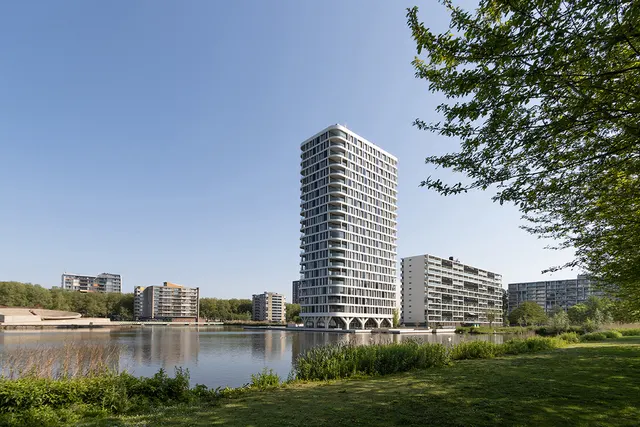
Our society faces major challenges. The projected rise in the number of households is putting increasing pressure on available space and infrastructure. The spatial planning policy promoted by the authorities focuses on greater densification in urban and village centres. “This densification, along with climate change, brings risks such as a more pronounced urban heat island effect, flooding and falling groundwater levels… To avoid these dangers, we need to design and build our buildings and their surroundings in ways that mitigate climate change and adapt to it.” So says Wim Garmyn, project coordinator for ‘Climate-adaptive construction’ at Embuild Flanders. The construction sector already offers effective climate-adaptive solutions, such as materials that do not absorb heat and the integration of green and blue infrastructure around buildings.
Mitigation: preventing climate-related damage
“But there is still a great deal to do,” says Wim Garmyn. Embuild Flanders’ vision for tackling climate-related problems is based on two pillars: mitigation and adaptation. “The first step, mitigation, addresses the causes of the problem. Examples include the renovation obligation introduced in Flanders in 2023, limiting the environmental footprint of new building materials, and reducing emissions when carrying out construction or infrastructure projects.”
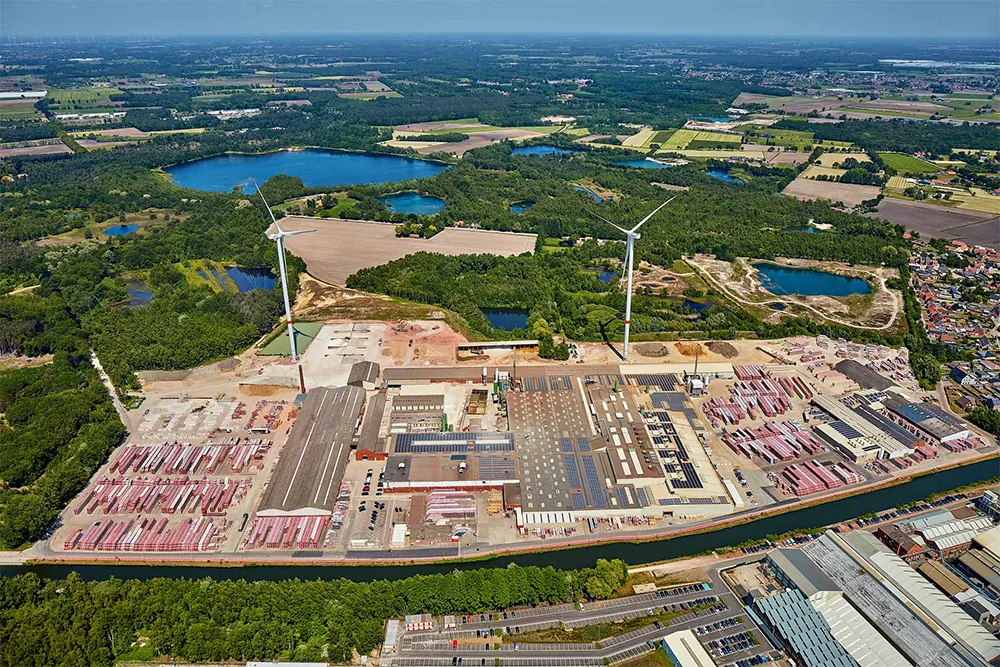
Wienerberger has been committed for several years to reducing emissions not only in its production processes, but throughout the entire value chain, from extraction to product packaging. As commercial director Katrien Nottebaert explains: “Wienerberger’s policy focuses on circular construction and a commitment to carbon neutrality. We aim to close the loops as far as possible, both for raw materials and for water in our production processes. We have also launched several pilot urban mining projects, recovering fired-clay building materials from demolished buildings and reusing them as secondary raw materials in our production processes. In addition, we help the construction sector’s various partners apply the principles of circular construction. This ranges from advising designers to developing circular systems such as ClickBrick.”
Wienerberger also places considerable emphasis on other environmental priorities, such as decarbonisation (reducing CO2 emissions) and dematerialisation (reducing the consumption of raw materials and materials).
Adaptation: adjusting to the new reality
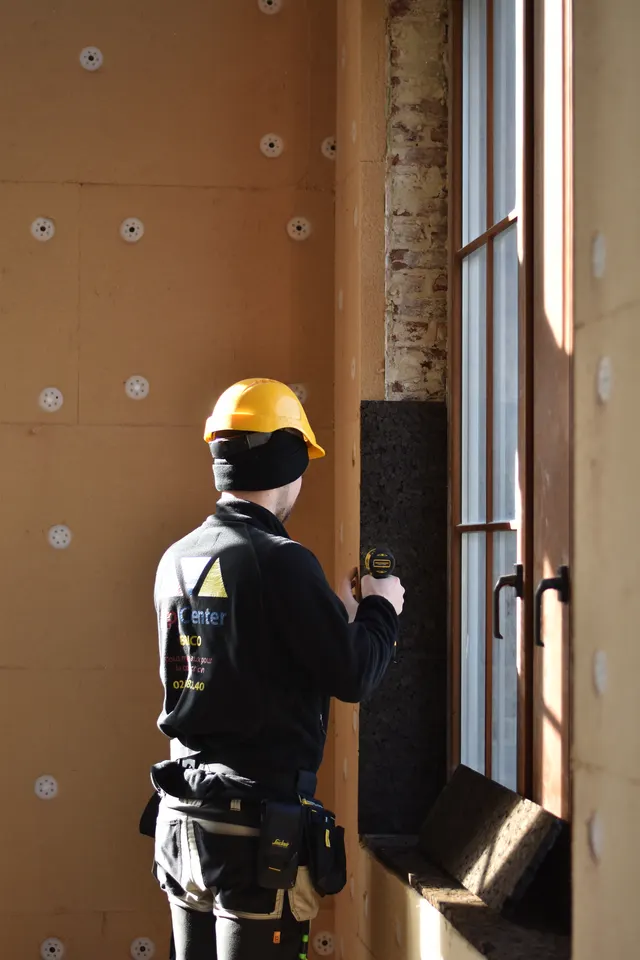
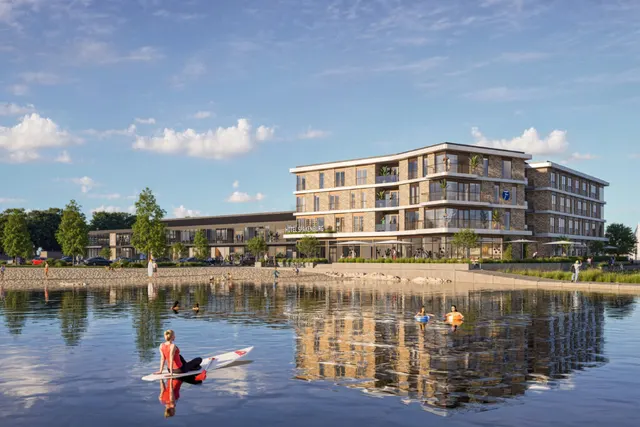
Wim Garmyn sees three ways to adapt to the reality of the future: implementing technical solutions, creating green and blue infrastructure, and launching targeted climate projects. “Technical solutions at building-envelope level can help reduce the urban heat island effect, particularly through the use of white building materials, for example. Expanding our green and blue infrastructure has recreational and aesthetic benefits, but also contributes to better water management, helps purify the air, enhances physical and mental wellbeing, and helps counter the urban heat island effect. Embuild Flanders already supports many initiatives in these climate projects.”
With its Wevolt solar panels, Wienerberger has launched a technical and aesthetically pleasing solution for creating entire roofs that generate electricity, or for integrating photovoltaic panels discreetly and attractively into the roof covering.
Your partner for white roofs
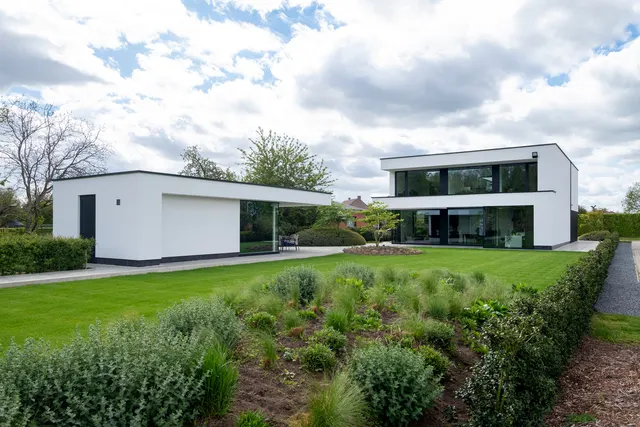
Clients and architects looking to combat the urban heat island effect will find a strong partner in Wienerberger. As Katrien Nottebaert explains: “Choosing white or light-coloured building materials helps keep temperatures lower in and around buildings on hot days. On roofs in particular, white coverings reflect the sun’s rays and reduce the amount of heat absorbed through the roof. This helps prevent buildings from overheating and therefore reduces the need for air conditioning. Wienerberger’s range includes various white and light-grey tiles for pitched roofs. For flat roofs, we offer Leadax Roov, a circular solution made using recycled PVB films from the glass industry. Another welcome benefit is that the white roof covering not only reduces the urban heat island effect, but also increases the output of solar panels installed on the roof.”
For façade finishes, light-coloured façades reflect sunlight and reduce heat absorption, helping regulate indoor temperatures. Almost all collections of waterstruck or extruded bricks are available in a light or even white variant. Those looking to create entirely white schemes can also find light-coloured options in our range of clay pavers.
An approved infiltration solution
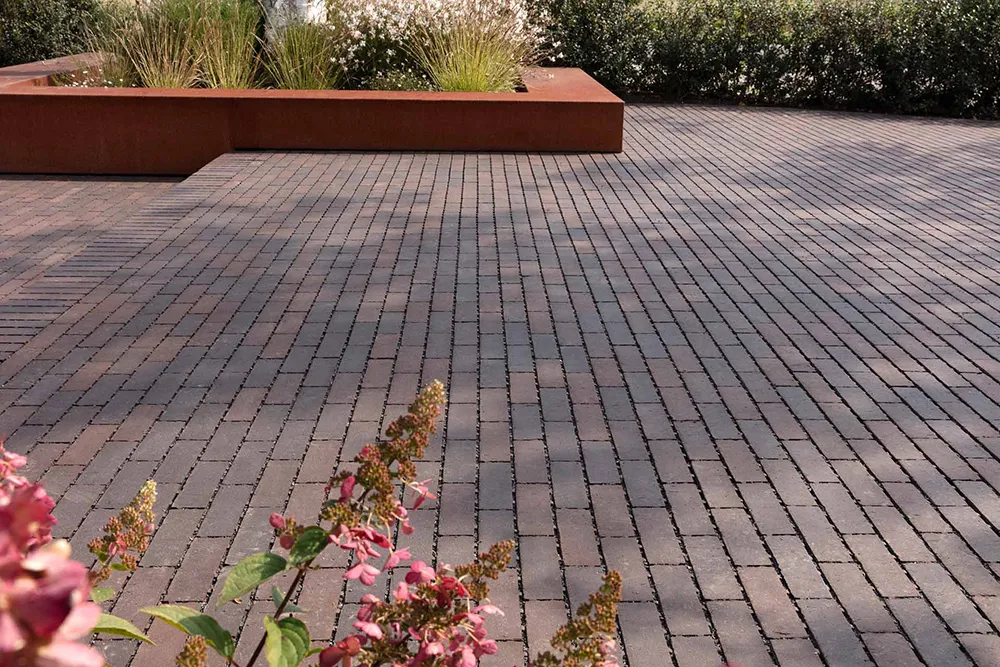
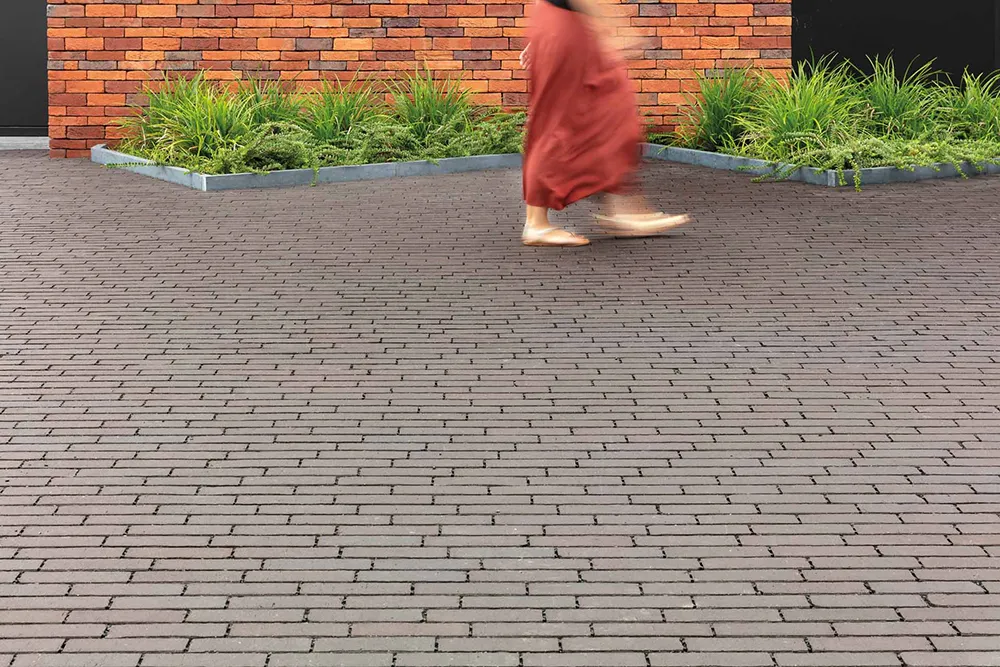
Alongside measures such as creating a swale, those looking to support the green and blue network and manage water effectively can also choose water-permeable paving. Since October 2023, the Regional Urban Planning Regulation on Rainwater has required an infiltration system for residential plots larger than 80 m², with a preference for a surface-level solution such as permeable paving. With Passaqua, Wienerberger offers a proven, durable solution. This extruded clay paver has spacers approximately 6 mm wide. Surfaces paved with these 59 mm-wide clay pavers therefore have a joint area of more than 10%, the minimum requirement for a surface to be classified as water-permeable. The wide joints allow rainwater to infiltrate quickly and easily, while preventing it from stagnating and reducing the risk of weeds and moss taking hold.
Wienerberger has been testing the effectiveness of the Passaqua paver at the Quartier Durable in Waregem since 2015. Measurements taken every three years show that, eight years after the pavers were laid, the water permeability coefficient remains above the minimum requirement.
Enhancing biodiversity
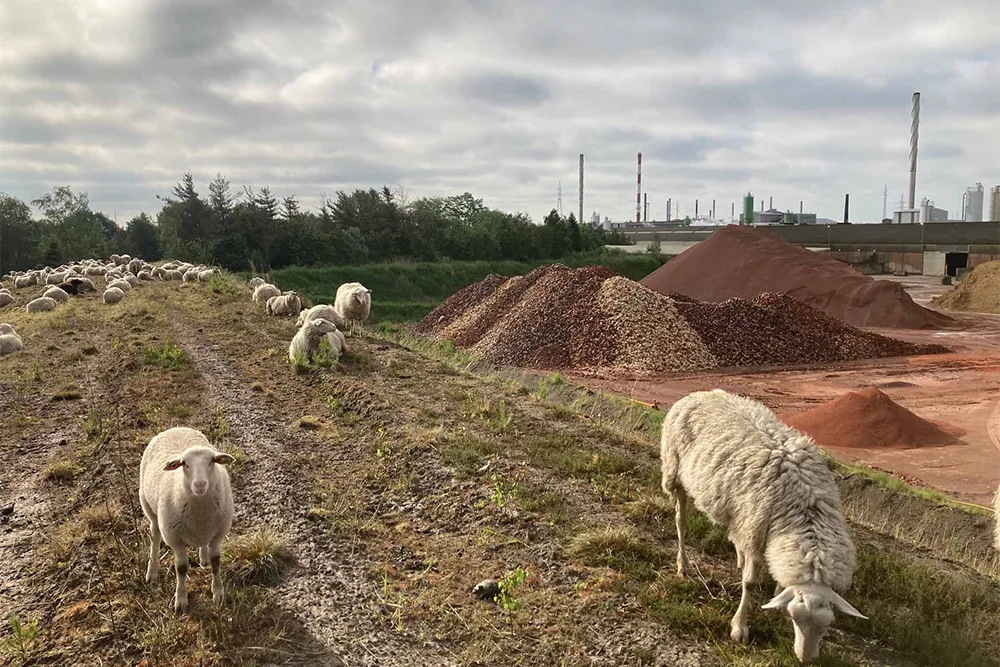
Wienerberger is also taking steps to adapt its sites to the new reality. Last year, the company completed a biodiversity plan for each of its approximately 200 production sites worldwide. The plan sets out specific measures to enhance local biodiversity at each site. The first steps have already been taken: at its sites in Rumst, Beerse and Lanaken, Wienerberger has created ecological corridors and specific biotopes, including temporary ponds for natterjack toads at the Rumst site.
Biodiversity-positive products
Clients can also help increase biodiversity simply by designing and building biodiversity-positive buildings as part of new-build projects. Biodiversity-positive construction brings nature into the building itself. It goes beyond simply adding green features to buildings: it creates suitable habitats for a range of plants and animals, including birds, bats and bees. This can be achieved with building elements such as nest boxes and bat tiles, hedgehog shelters, nesting bricks and tiles for birds, and insect and bee bricks. These give nature a permanent place in the creation of climate-resilient buildings and environments. Designed with the help of ecology consultants, the elements integrate seamlessly into building façades and roofs.
Wienerberger is currently running a competition to encourage architects to design such biodiversity-positive buildings. Our neighbours to the north have already gone well beyond incentives. Their ‘Besluit Bouwwerken Leefomgeving’, or decree on construction works for the living environment, provides a basis for including specific requirements for nesting facilities for house sparrows, swifts and bats.
In short, the shift towards climate-adaptive construction is inevitable. Wienerberger already offers products that provide solutions for leading the way and creating highly comfortable living environments.
Question about this story? Ask your question
Keep following this
Get an email when a new story is published. No account needed.
- SubjectNews