Building sustainably, for real: different perspectives on the sector’s room for manoeuvre
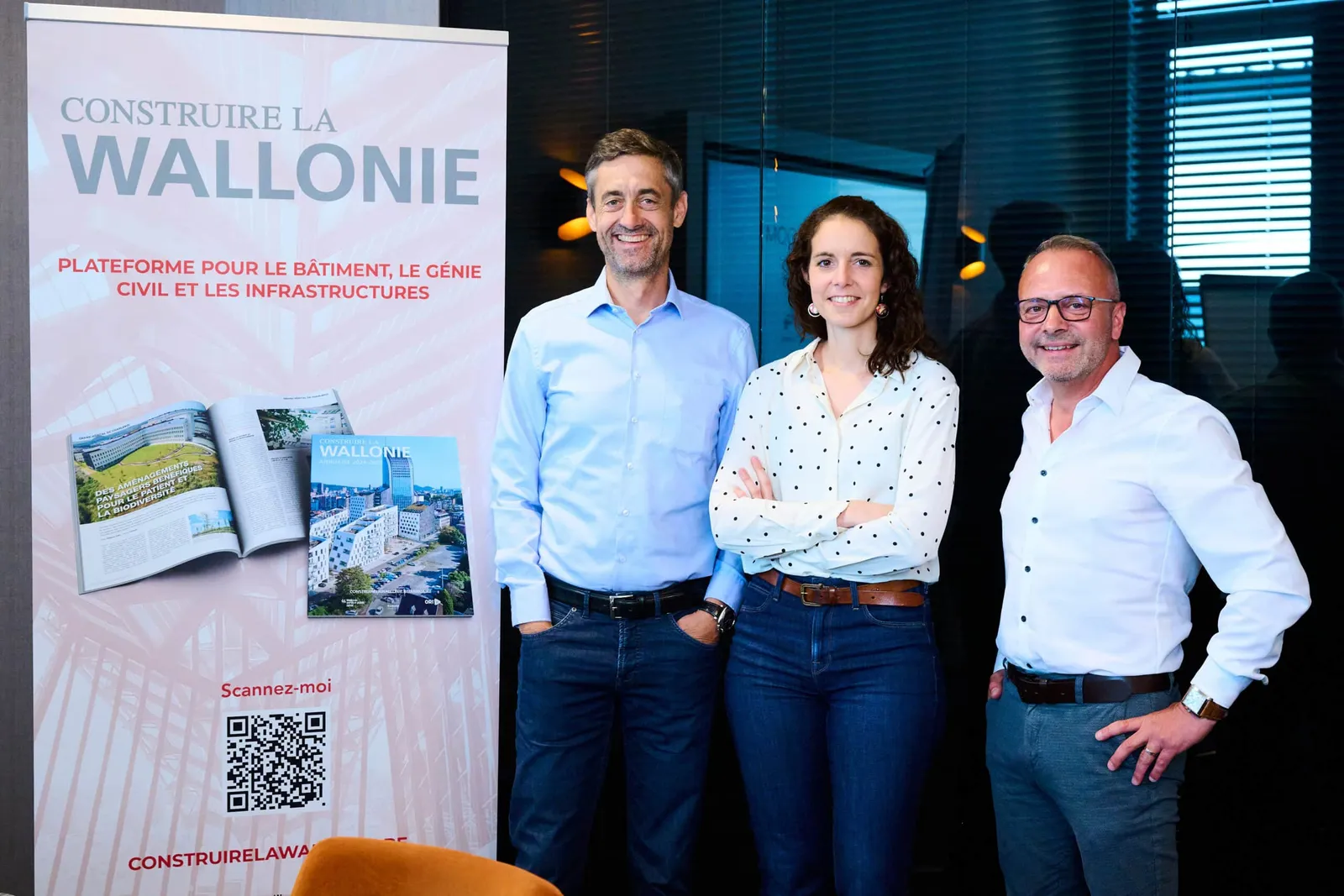
Following an initial round-table discussion on renovation, the series of meetings organised by Louwers Mediagroep continued with another key and pressing issue for the construction sector: sustainability.
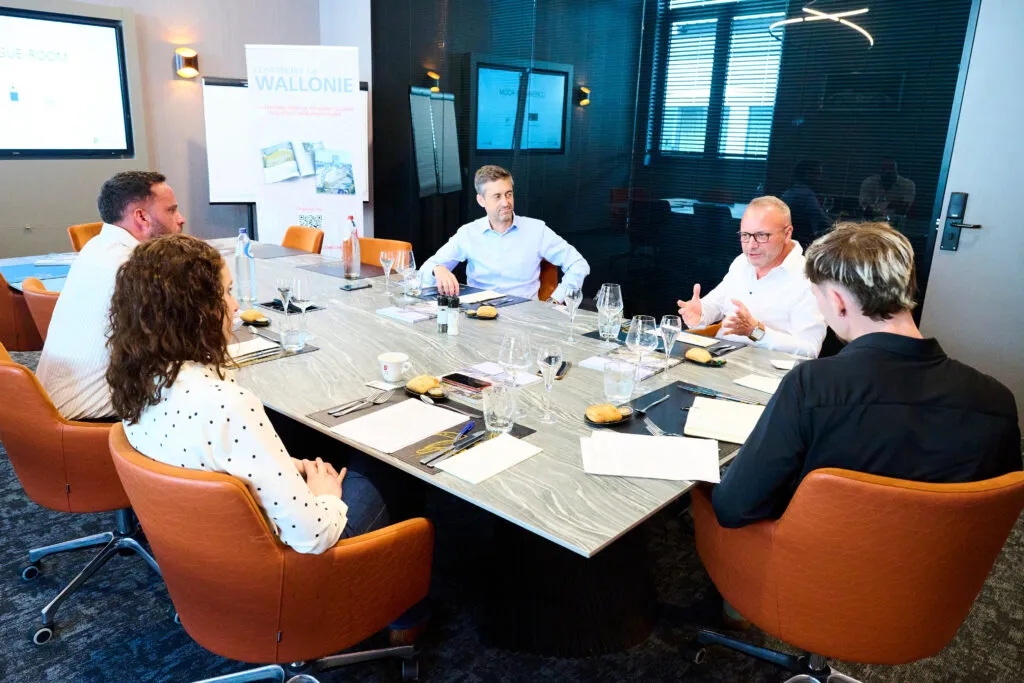
At its heart was a fundamental question: how can sustainability be made truly practical on site, both now and in the future, and enable the sector to undertake its complex but necessary transition to sustainability? Three speakers with complementary backgrounds shared their observations and explored a range of possibilities: Olivier Legendre, CEO of Wako Portes et Fenêtres; Antoine David, Head of Studies at Thomas & Piron Bâtiment; and Hélène Delloge, Environment, Energy & Sustainability Manager at Embuild Wallonie.
What do they have in common? They all reject the gap between environmental ambitions and operational realities, while pointing to the progress and changes already underway in the sector. Pragmatic yet firmly optimistic about the future of sustainable construction, the three experts agreed on one crucial ambition: to move beyond announcements and turn words into action.
Once again, the round table was moderated by Joaquim Dupont, a journalist and translator at communications agency Palindroom, a long-standing partner of publisher Louwers Mediagroep.
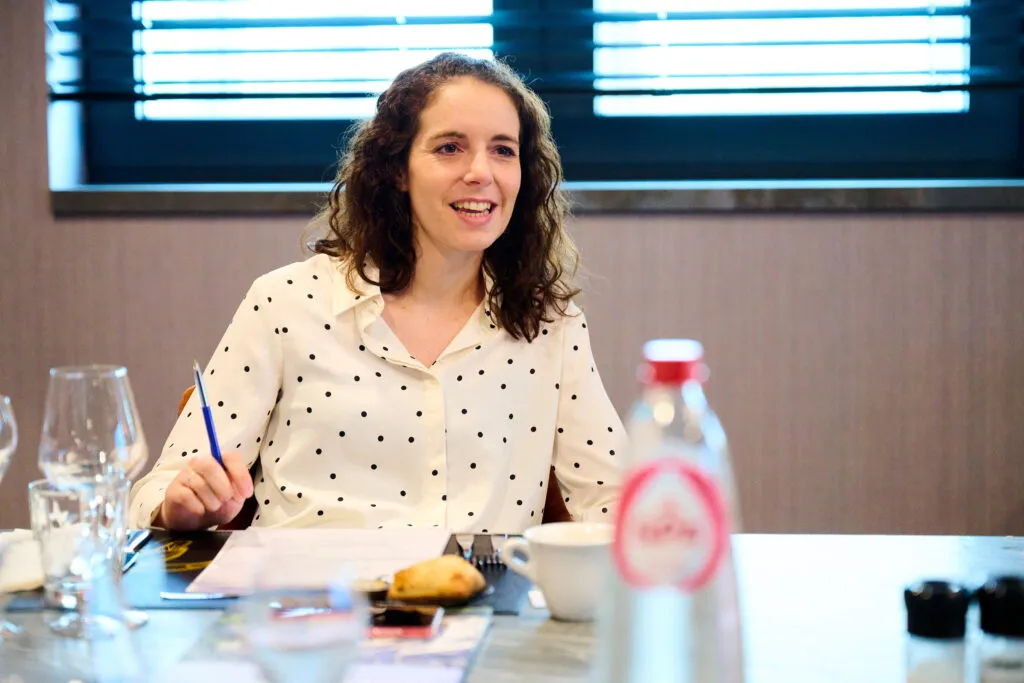
Sustainable materials: balancing environmental requirements with realities on the ground
From the outset, construction materials emerged as a central topic: they determine the real sustainability of projects and shape design choices. Their impact goes beyond technical considerations, affecting supply-chain economics and the evolution of the construction profession itself.
At Embuild, Hélène Delloge stressed the need to develop low-carbon supply chains without falling into the trap of adding regulatory complexity: “For example, ‘Sustainable Joinery’ certification looks promising, but only if it is used consistently and recognised by clients.” She also pointed out that the legislative framework, often regionalised, can either support or hinder these developments.
Antoine David, speaking for Thomas & Piron, noted that the company is already taking practical steps to reduce the embodied energy of its buildings, for example by prioritising local supply chains, recycled steel and materials with environmental declarations. However, he pointed out that the shift to more sustainable products still often entails additional costs compared with traditional solutions. “Every material choice has a direct impact on the price of a home, and therefore on its affordability,” he explained. That is why sustainability must always be approached through a multi-criteria assessment, to strike a balance between environmental ambitions, economic viability and housing affordability. Thomas & Piron strives to put this balance into practice in every project across Wallonia and Brussels.
Olivier Legendre, meanwhile, noted that technical choices are often dictated by the specifications, leaving an assembler like Wako, which operates at the end of the supply chain, with little room for manoeuvre. More than 90% of the carbon impact of its products comes from purchased components, such as profiles, glazing and fittings, which it can influence only indirectly. This has also led him to question the proliferation of labels: they are useful if recognised contractually, but problematic if they multiply without having any real effect.
All agreed that environmental product declarations (EPDs) are now an essential common language for accurately measuring the carbon footprint of our buildings. However, their use remains too limited in practice, and interpreting them requires guidance, particularly for clients, so that they can become a genuine decision-making tool rather than just another technical document.
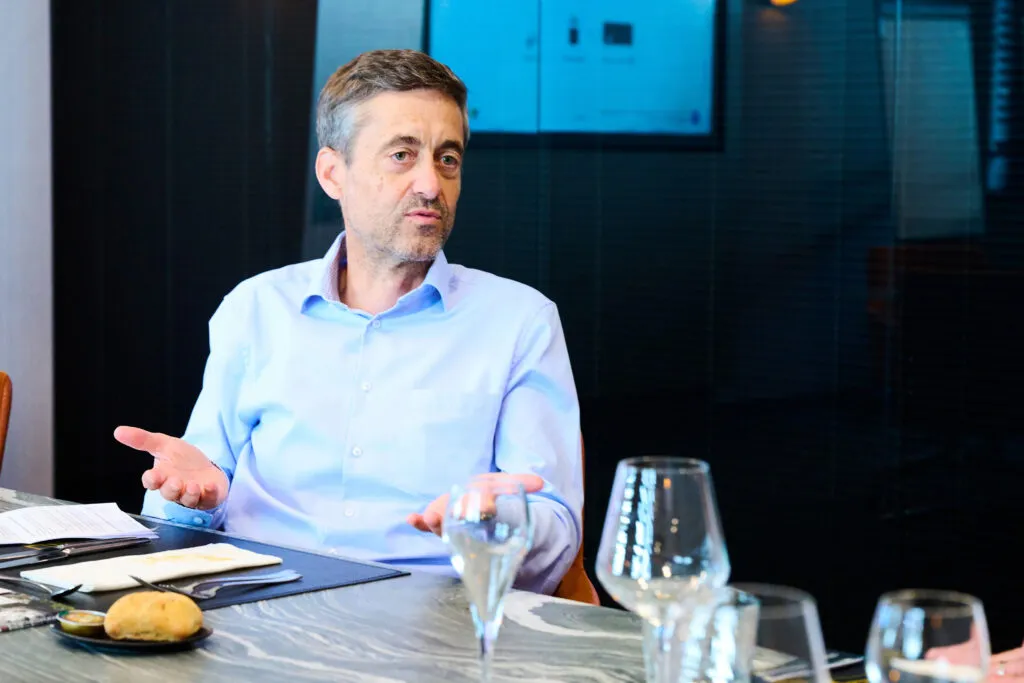
Project governance: integrating sustainability from the design stage
Project governance then emerged as another decisive lever for turning environmental ambitions into reality. These ambitions cannot be added along the way: they need to be built in from the design stage. This means bringing the various stakeholders together early on to develop coherent, high-performing and sustainable solutions as a team.
For Olivier Legendre, assemblers such as Wako are often consulted “when everything has already been decided”. He called for a more open approach to projects, where technical constraints are shared at an early stage rather than imposed. He cited cases where a simple discussion could have prevented costly or inefficient inconsistencies.
“We need to give greater recognition to cross-sector initiatives,” stressed Hélène Delloge. “That means structural agreements and sectoral charters, but also practical mechanisms such as tax incentives or specific contractual clauses to genuinely encourage collaborative project structures.”
Antoine David noted that the design-and-build model makes it easier to align environmental ambitions with operational realities. “When designers, contractors, engineering firms and manufacturers are involved from the outset, we can anticipate obstacles more effectively and develop genuinely relevant solutions,” he explained. For him, the key lies as much in the project structure as in the ambitions set at the outset, as well as in the collaborative dynamic between stakeholders. He also noted that incorporating environmental certification requirements, such as BREEAM or WELL, reinforces this approach by aligning collective efforts around shared objectives.
Finally, all stressed the decisive role of public-sector clients. As major clients, they have real influence across the sector. This depends, however, on their including clear, consistent and shared environmental criteria in their tender documents, while ensuring these are realistic in relation to the budgets available. Technical and environmental performance cannot be expected to keep increasing if the funding does not follow. Only then can public procurement give businesses the certainty they need and create the right conditions for sustainable innovation.
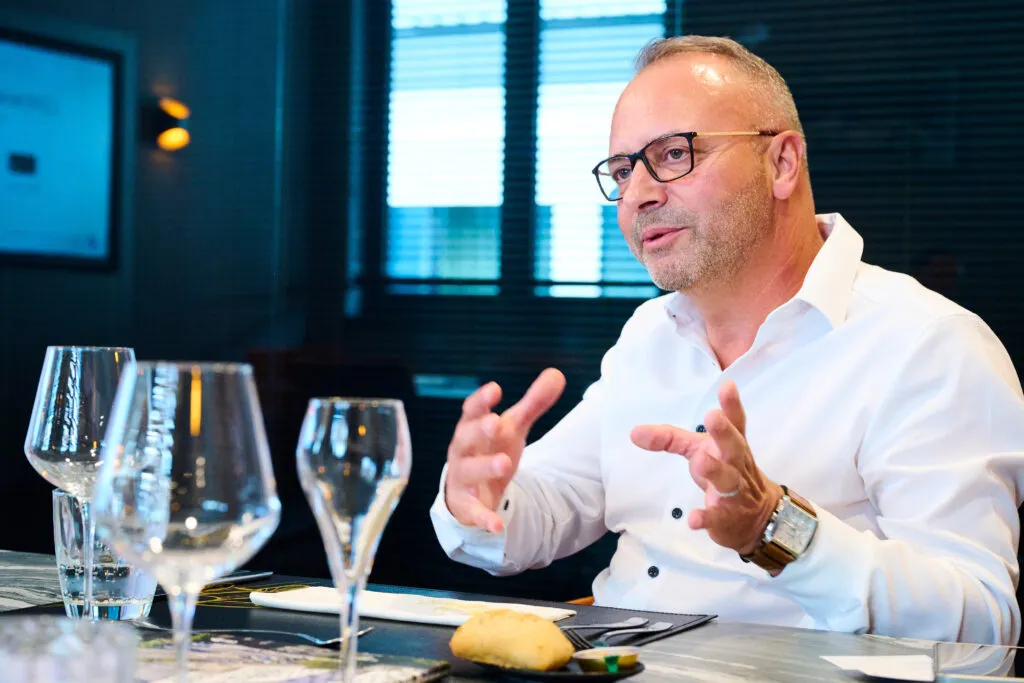
Innovating sustainably: a more flexible framework for progress
The third topic was innovation, an essential driver of the transition to sustainability. A familiar paradox soon emerged: while regulatory, insurance and administrative frameworks ensure safety and quality, their lack of flexibility can hinder the adoption of new practices. The speakers therefore agreed that the protective role of these frameworks must be preserved while allowing more scope for experimentation.
Hélène Delloge noted that the professional organisation Embuild is actively working to update regulations, but that the process can take a long time and hold back innovation. She also highlighted the potential role of digital tools, such as BIM models, digital twins and interregional platforms, in simulating performance and making a stronger case for innovative choices.
Antoine David explained that Thomas & Piron is already incorporating a range of innovative solutions, including timber structures, recycled materials and more resource-efficient construction techniques. However, he noted that insurance-related obstacles, particularly those linked to decennial liability, continue to slow their uptake. “That’s why we’re taking a gradual approach: testing on a small scale, documenting the results and then rolling out the solutions more widely,” he said. He also stressed the importance of assessing innovations in terms of overall return on investment: some solutions, although more expensive to buy, deliver substantial savings in use while improving the comfort and value of buildings.
Olivier Legendre added: “Innovation doesn’t happen just because you declare it; it takes work, particularly in terms of preparation time and sharing knowledge between all stakeholders.” He called for validation procedures to evolve and become more open to feedback from the field, helping to persuade ever more professionals to change their practices and adopt new sustainable approaches.
All called for a more flexible, adaptable construction framework that can support the environmental transition while safeguarding the safety and confidence essential to projects.
User comfort: a key aspect of sustainability
The final topic was an essential one: the actual comfort of building users. For every solution described as ‘sustainable’, it is crucial to understand all its effects, both positive and negative, on everyday quality of life. The speakers therefore emphasised that environmental performance and user comfort must go hand in hand, and that a project’s success should also be measured by the satisfaction of the people who live in it.
Olivier Legendre gave the example of triple glazing, which improves winter insulation but can prove counterproductive in summer. “Wako argues for a more systematic assessment of the side effects of choices described or intended as ‘green’, such as overheating, condensation, inadequate ventilation and many others. Performance should not be a burden, but an opportunity to create spaces that offer genuine comfort throughout the year,” he explained.
Hélène Delloge noted that guidance is key: “Training in the optimal use of the tools provided, raising awareness and sharing information about new developments, and making clear documentation available are all crucial areas that are still neglected or underestimated.” She also pointed out that certain requirements, such as the EPC certificate, do not sufficiently account for users’ overall comfort or for buildings’ ability to adapt over time.
Antoine David stresses that sustainability must deliver tangible benefits for users by improving comfort, energy performance and long-term value. Thomas & Piron anticipates energy needs to avoid overprovisioning, promotes renewable energy and designs homes that can adapt as uses evolve. Sustainable housing is conceived as a space that supports its occupants throughout their lives.
As was already the case for manufacturers, the three experts call for users to be involved earlier in the design process, through participatory approaches or ongoing assessment schemes, to avoid problems during construction or when buildings are in use.
Towards workable sustainability
After two hours of lively discussion, one conviction emerged: sustainability cannot simply be decreed, it has to be built. It must draw on practical experience, the skills of every stakeholder and the ability to discuss shared goals. More than a slogan, it becomes a collective process, demanding but conducive to innovation and progress. In a word: pragmatism. But a pragmatism that paves the way for practical, accessible and sustainable solutions across the entire sector.
Question about this story? Ask your question
Companies in this story
Keep following this
Get an email when a new story is published. No account needed.
- SubjectNews
- CompanyWako